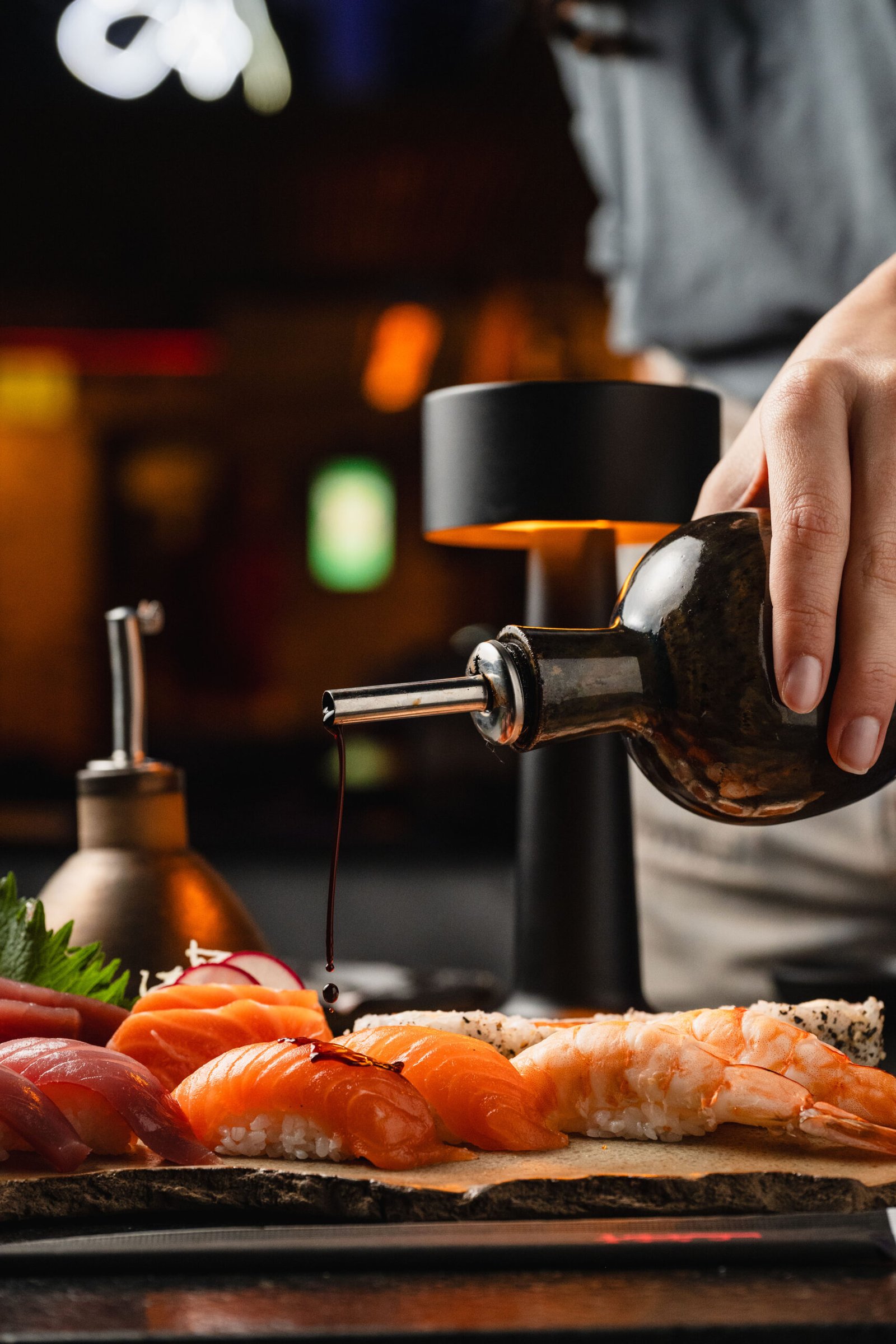
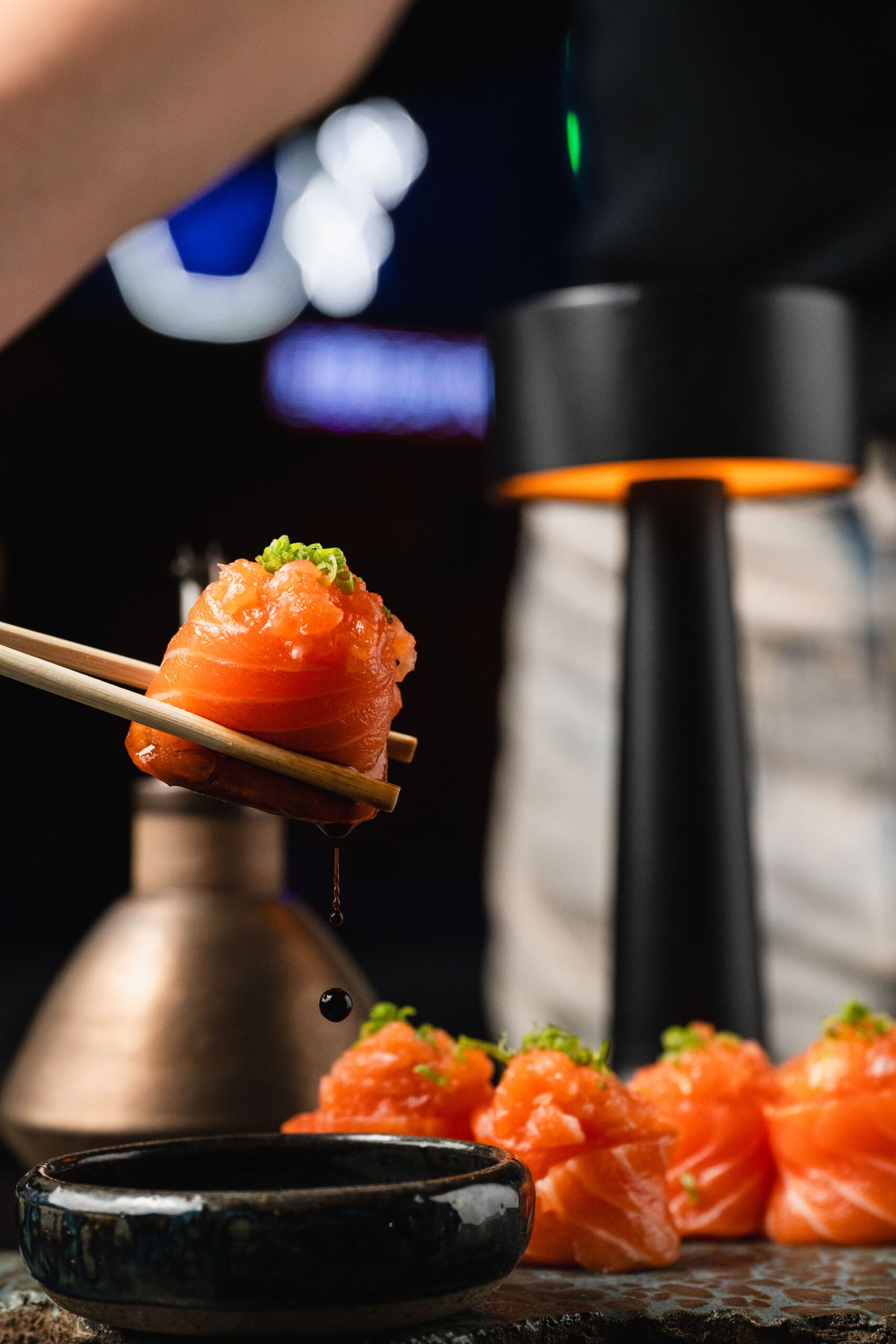
The drop has not reached the salmon yet. But it has already done its job: you imagined the taste.
There is a very brief moment between sauce leaving the bottle and touching the plate. It is too quick for the eye to follow every detail, yet long enough for photography to reveal what would normally pass unnoticed: the shape of liquid in the air, the sheen across the fish, the tension in the hand serving it, and the promise of an experience that has not even begun.
That is the moment I chose to open this story.
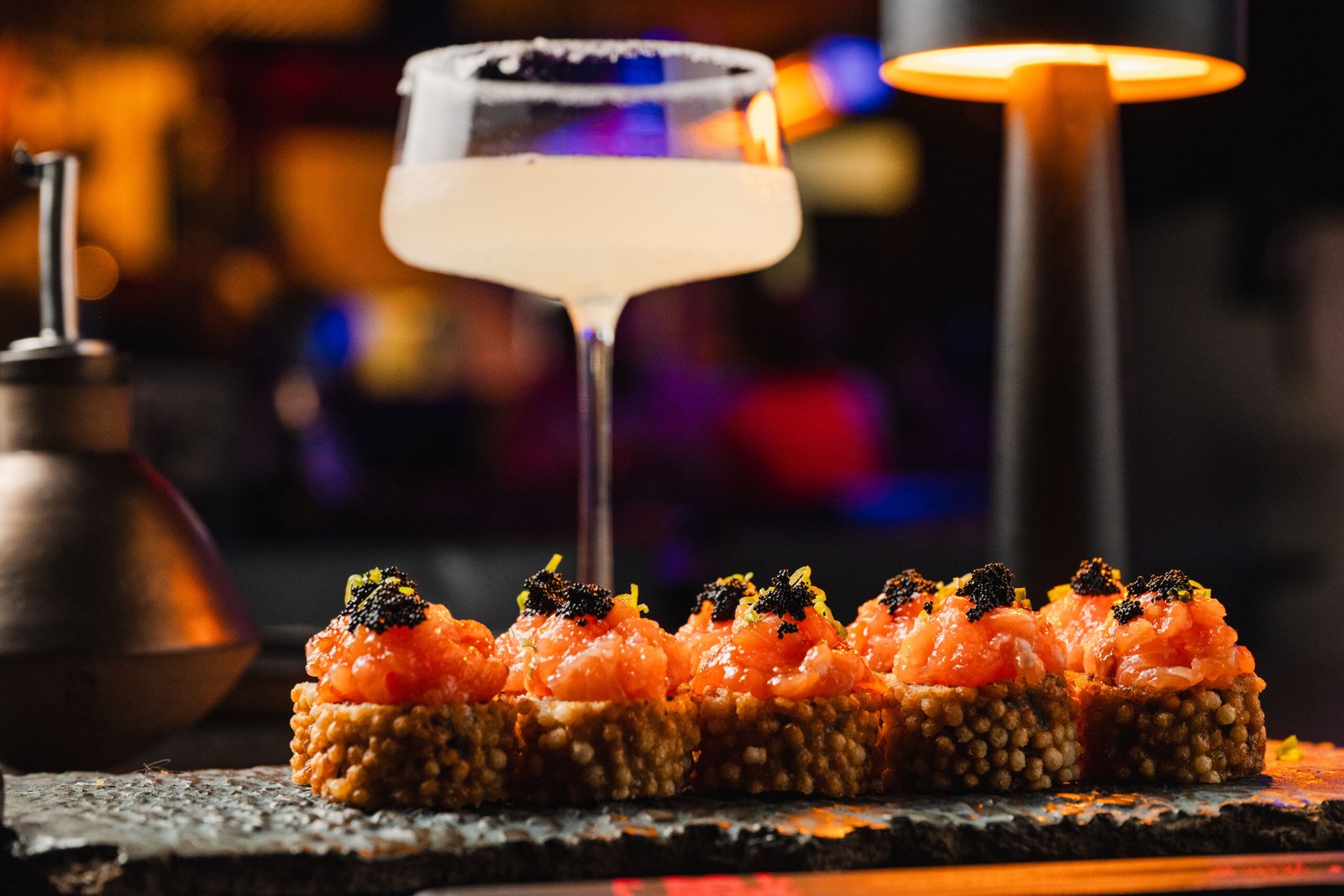
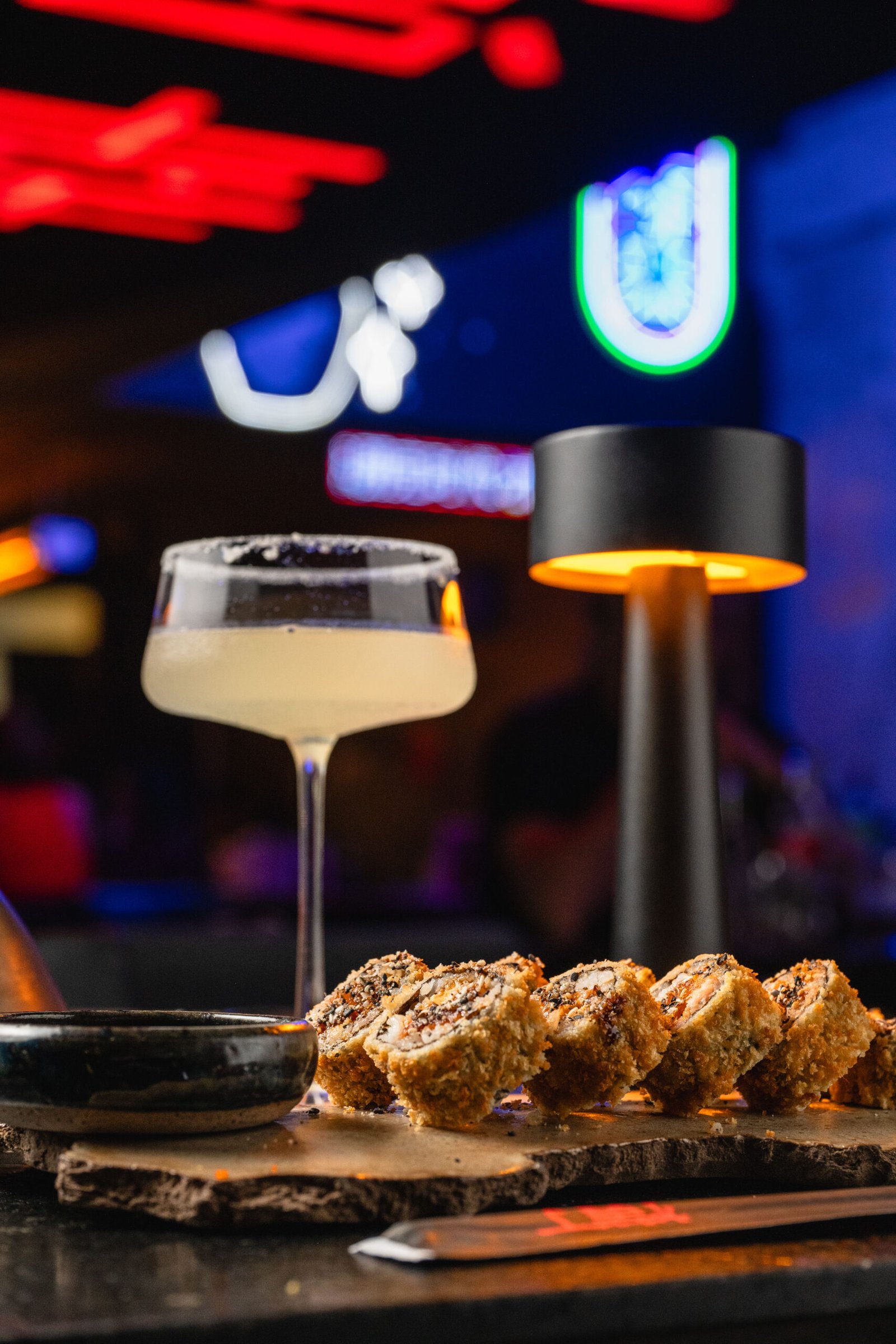
For my shoot at Yokocho in Recife, I arrived with an apparently simple plan: use a single artificial light while preserving the restaurant’s existing illumination. The challenge was not merely to make the food look beautiful. Every photograph had to belong to that place—to its amber light, dark background, points of colour and the nighttime mood of an izakaya.
One light does not mean a photograph with little light. It means choosing precisely what deserves to be revealed.
Identity Comes Before Technique
In Japan, “yokocho” describes narrow alleyways filled with small bars and restaurants: places for food, drinks, conversation and encounters. An izakaya is similarly social, an informal house where a variety of dishes arrive at the table to be shared.
Yokocho introduces itself as a “Japanese alley in Recife,” bringing together small plates, sushi, teas and drinks. That identity told me the shoot should not resemble a production made inside a white, neutral studio. The photographs needed to carry the atmosphere of the restaurant: intimacy, night, warmth and conviviality.
Food photography does not begin with a camera. It begins with a question: what does this restaurant want its guest to feel?
If the answer is comfort, mystery and desire, flat and uniform lighting may show the ingredients, but it will rarely tell the whole story. At Yokocho, I wanted depth. I wanted the background to remain alive. I wanted the food to emerge from the shadows while still feeling inseparable from the room.
One Light — But Two Exposures Inside the Same Photograph
When I combine flash and ambient light, I think of the image as two photographs layered together.
The first is made by the light already present in the restaurant. It draws the luminous points in the background, preserves the colours of the room and tells us where we are. It is responsible for atmosphere.
The second is made by flash. The flash is not there to erase the environment or turn night into day. It gives the food direction, volume and texture.
I first observe the room and decide how much of its light I want to keep. Then I add flash until the dish occupies the right place within the scene. When that balance works, the photograph still feels natural, but the food gains presence, contrast and clarity.
This matters to restaurant owners: a technically bright photograph is not necessarily a photograph that fits the brand. If the dining room was designed to feel intimate, the photography should respect that experience. Lighting everything equally can erase the very quality that makes the restaurant memorable.
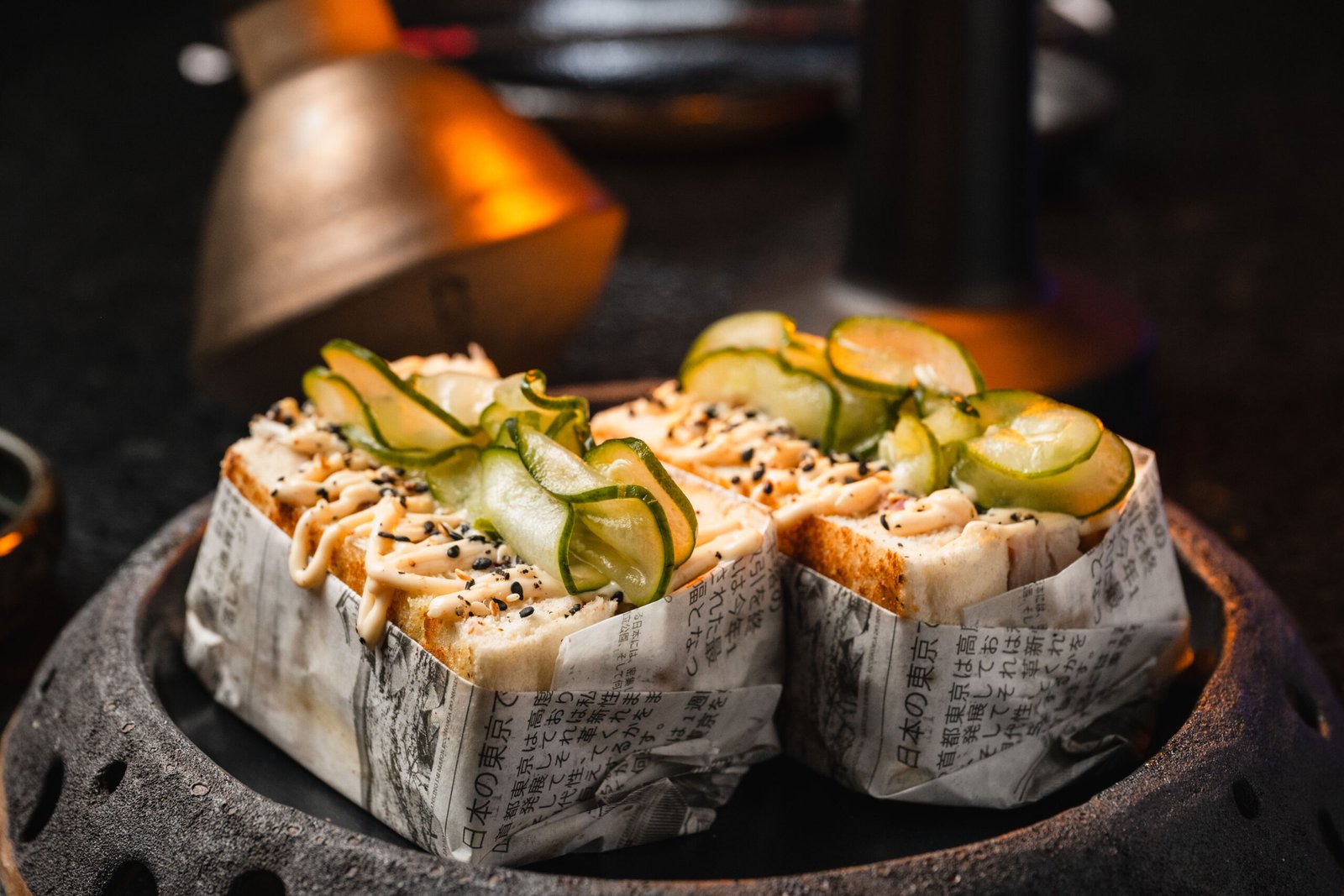
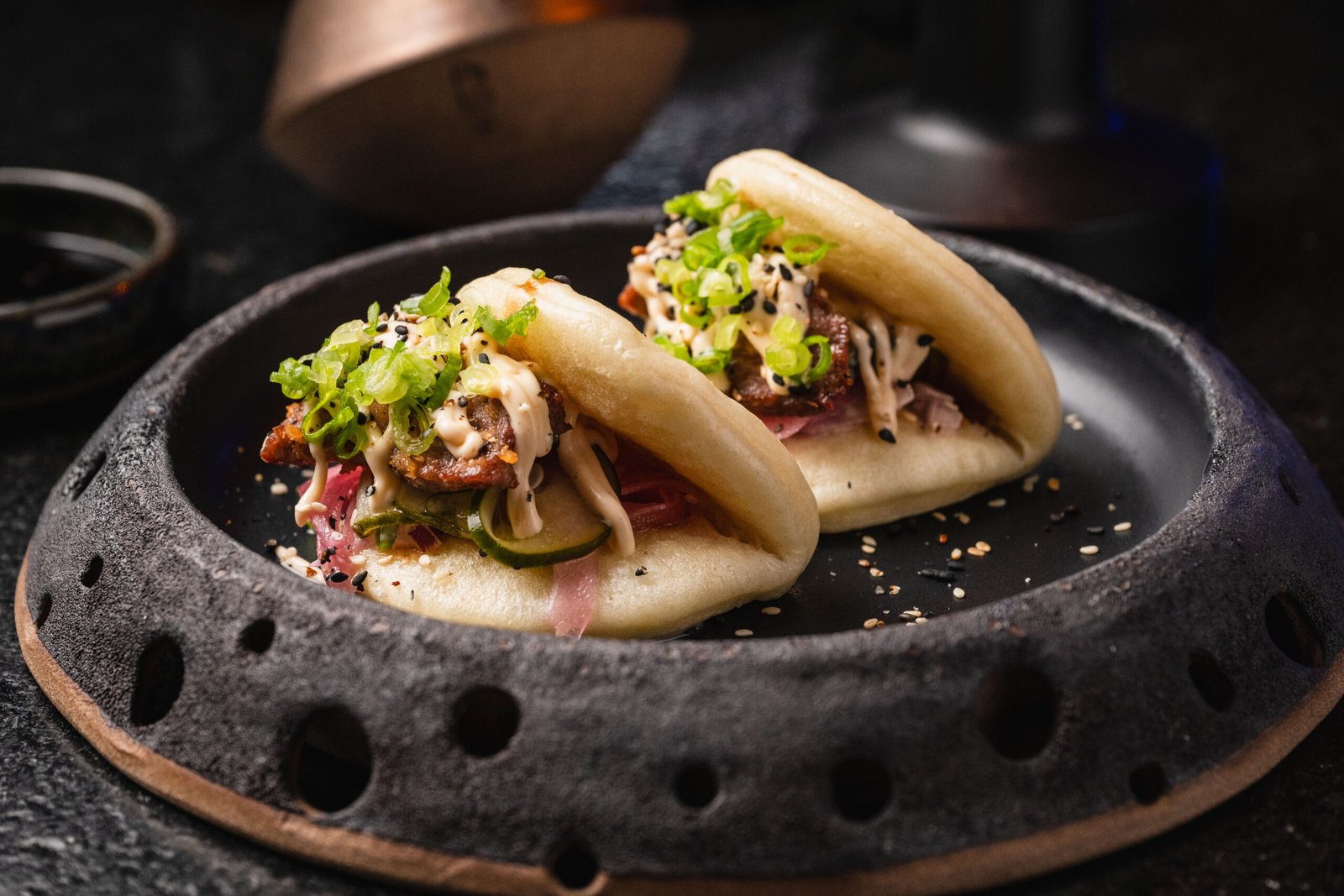
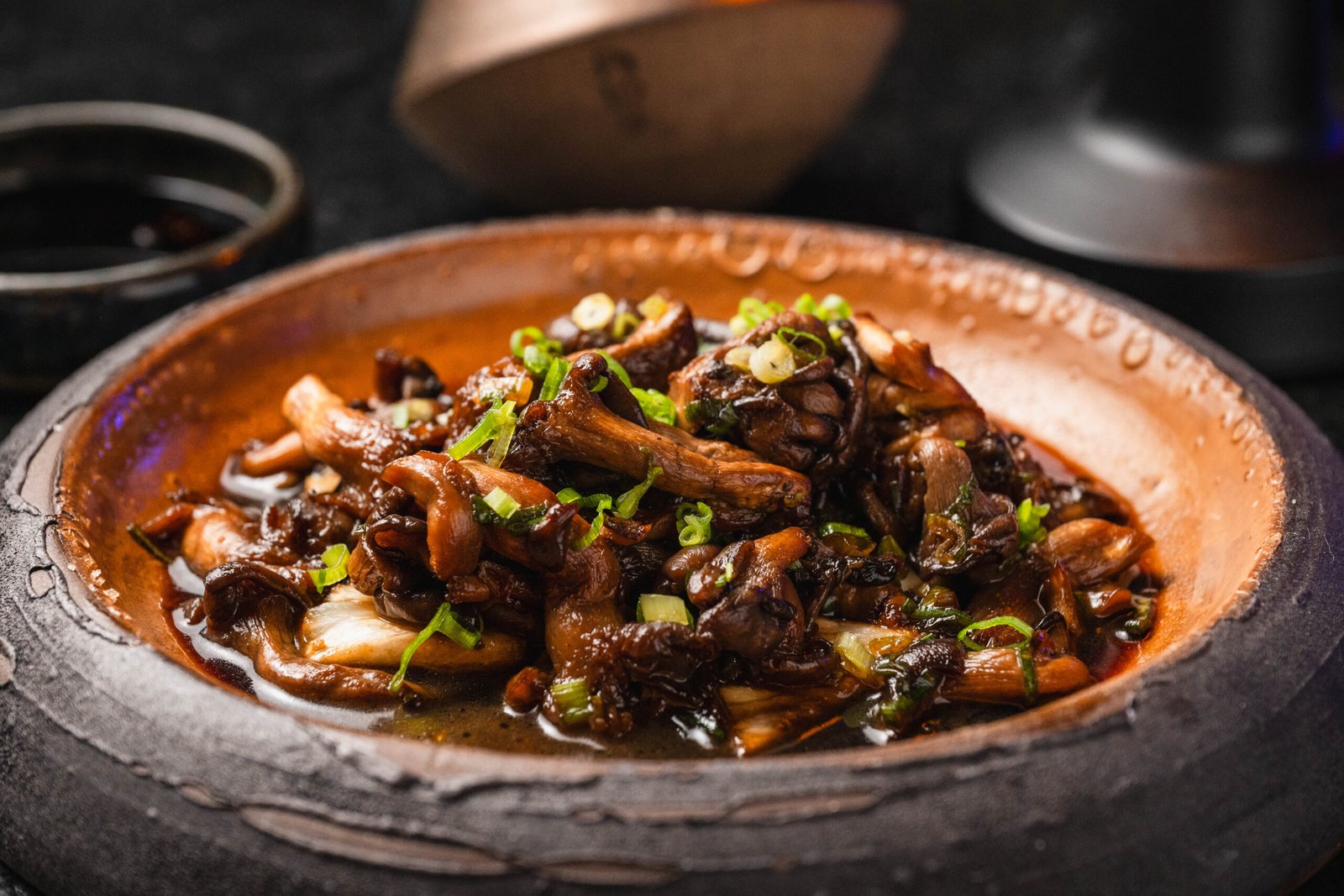
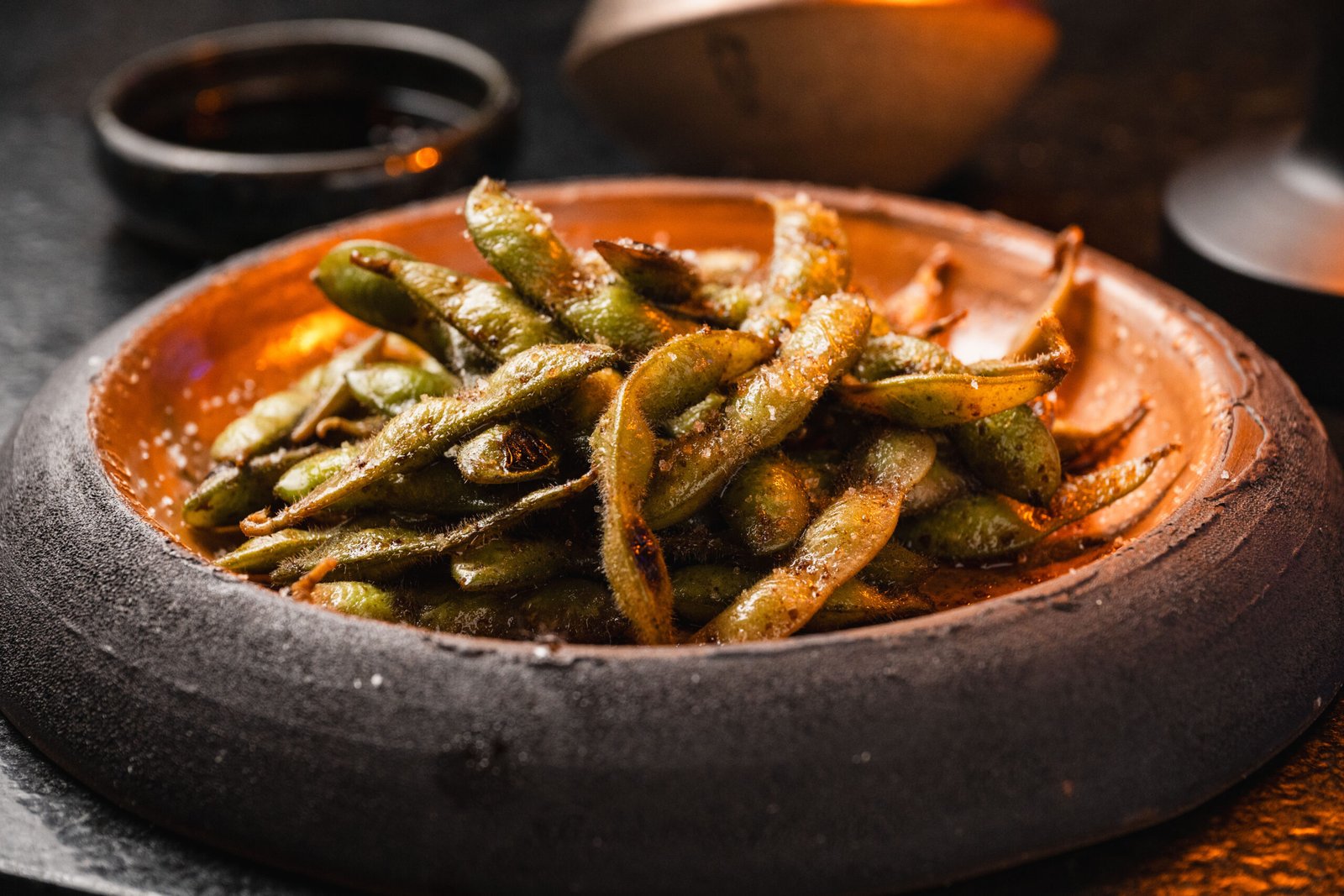
Flash Does More Than Illuminate. It Chooses Time
Movement creates appetite in food photography.
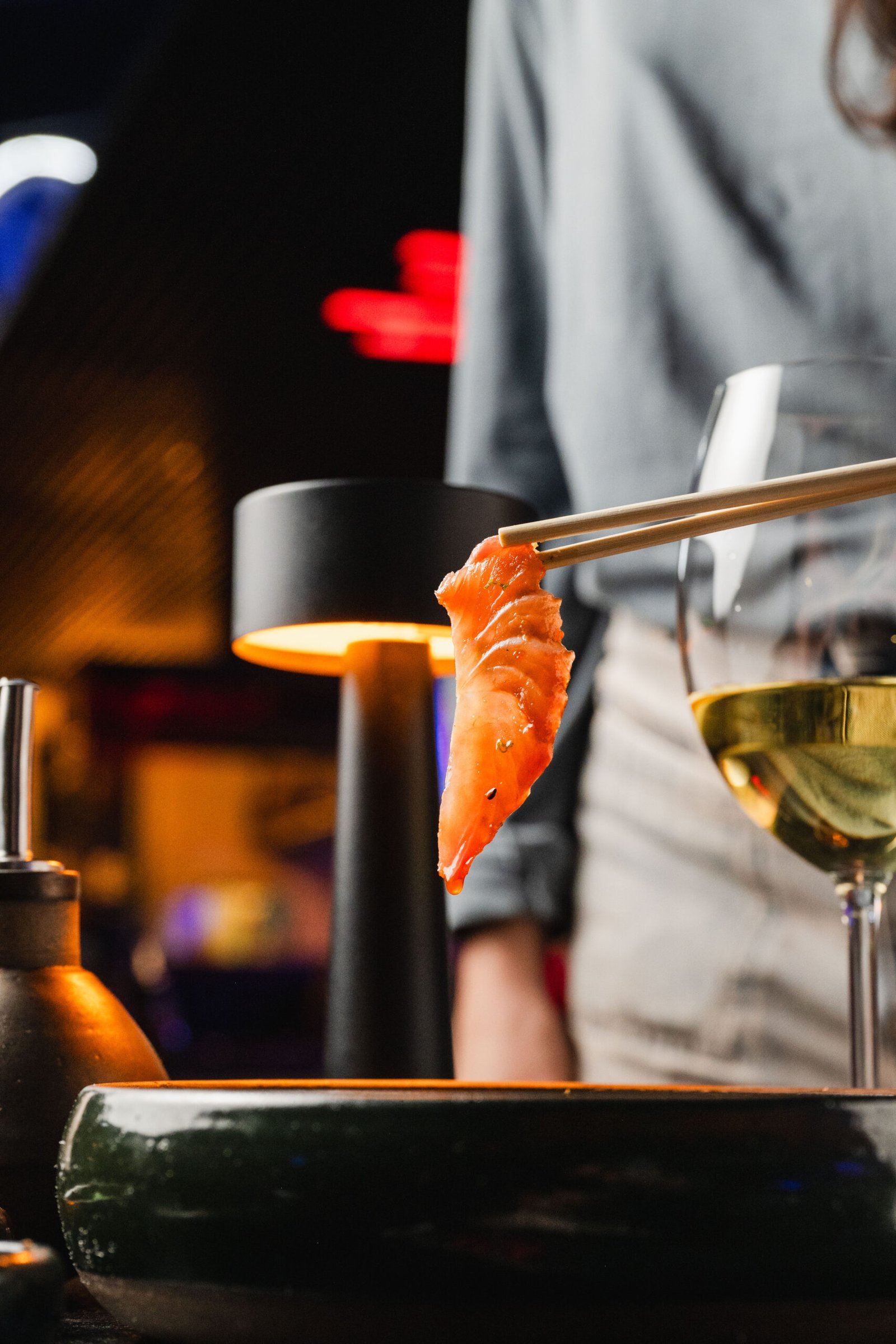
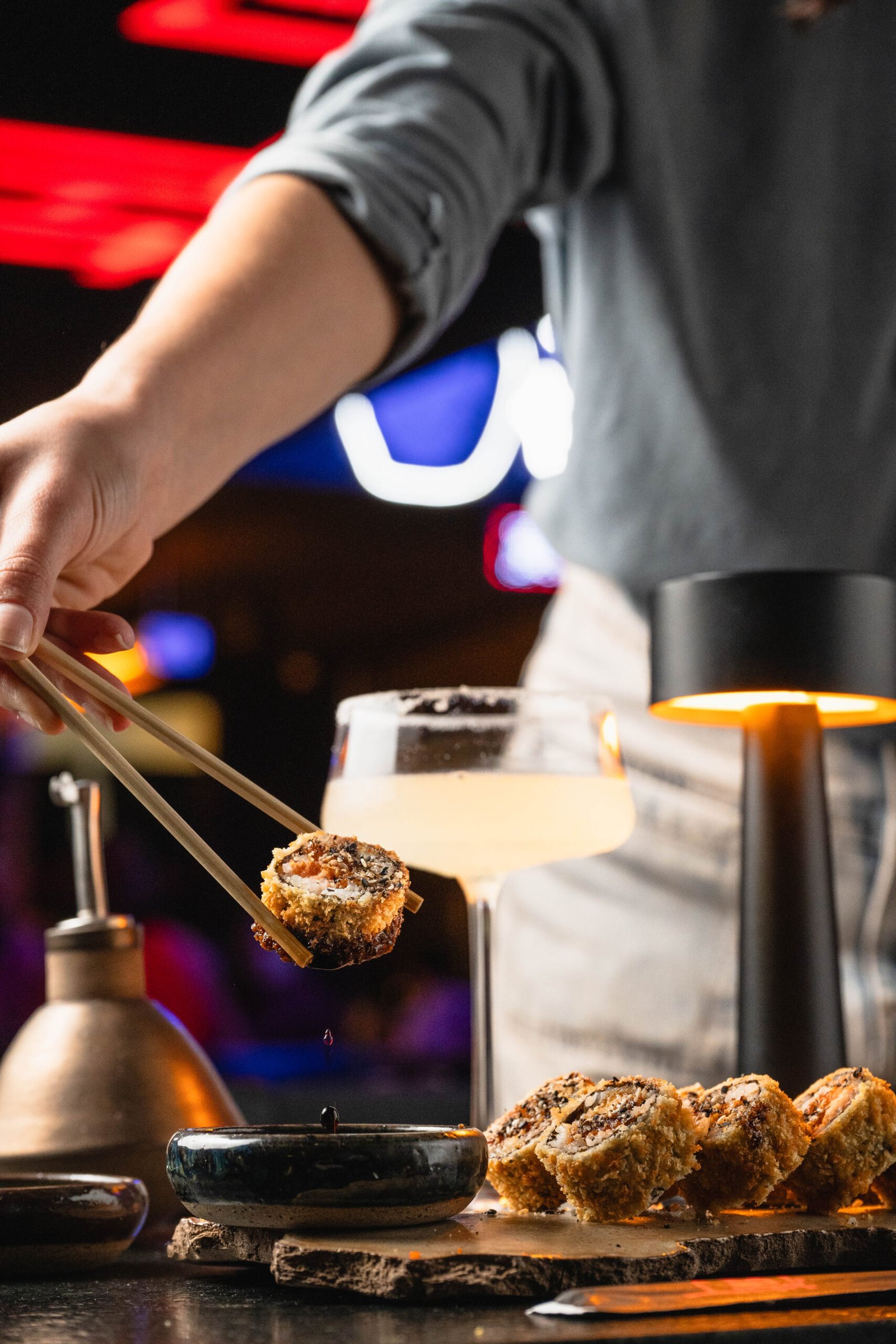
It is the sauce falling, the food held between chopsticks, the hand finishing a plate, the highlight travelling across a moist surface. These elements turn a still life into an event.
To photograph sauce falling over salmon, the camera’s shutter speed is only part of the equation. What truly draws the liquid sharply is the brief duration of the flash. For a fraction of a moment, light strikes the drop and freezes its shape.
There is a complication. If the ambient light is too strong on the moving area, it will also be recorded and can leave a trail. The balance between ambient and flash must therefore be deliberate. I preserve the restaurant in the background while allowing the flash to dominate the movement in the foreground.
The result is not simply a technical demonstration. It is an image that makes the reader stop.
Texture Is the Visual Language of Flavour
A photograph cannot transmit aroma or temperature. It must compensate by offering visual signs the brain already understands.
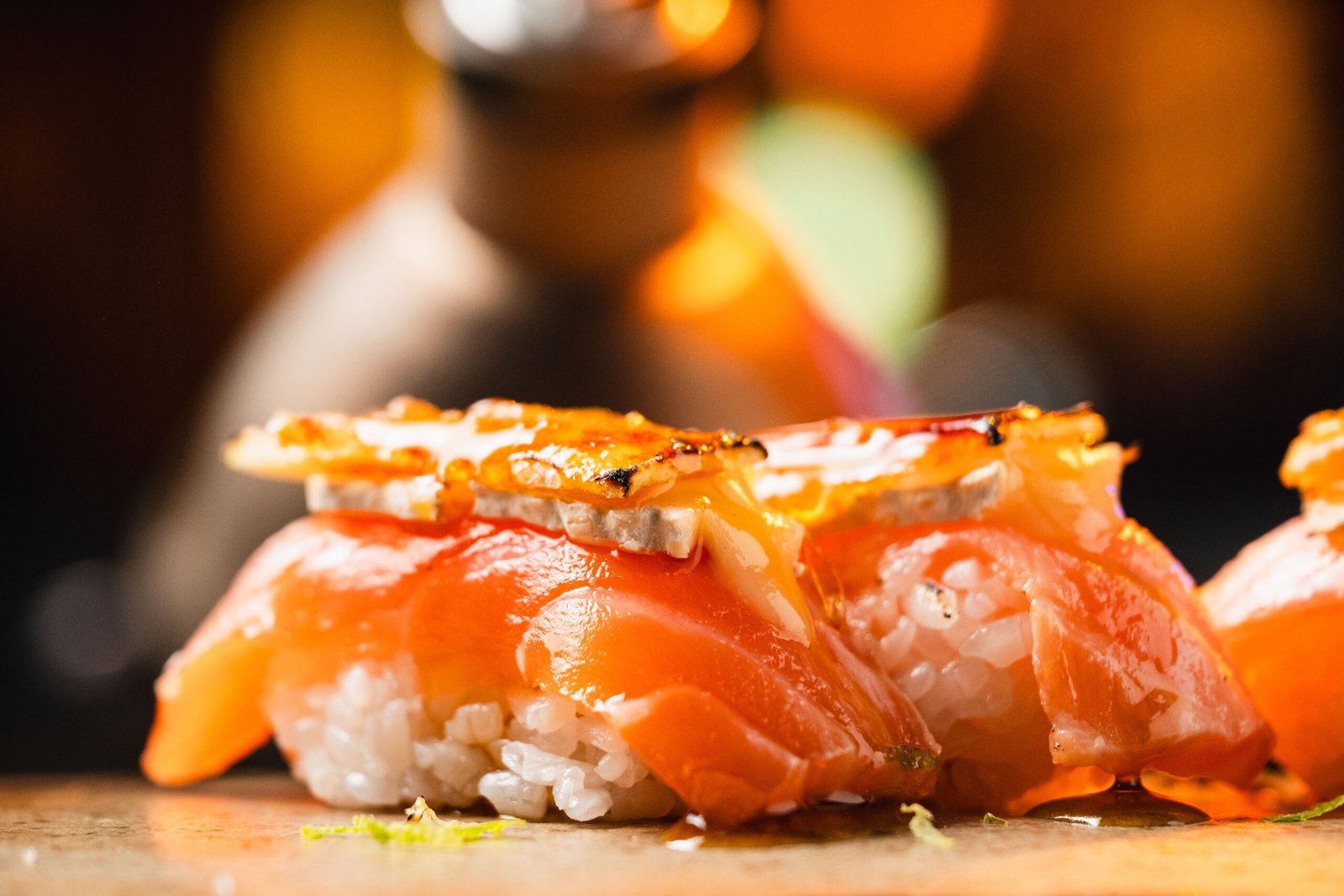
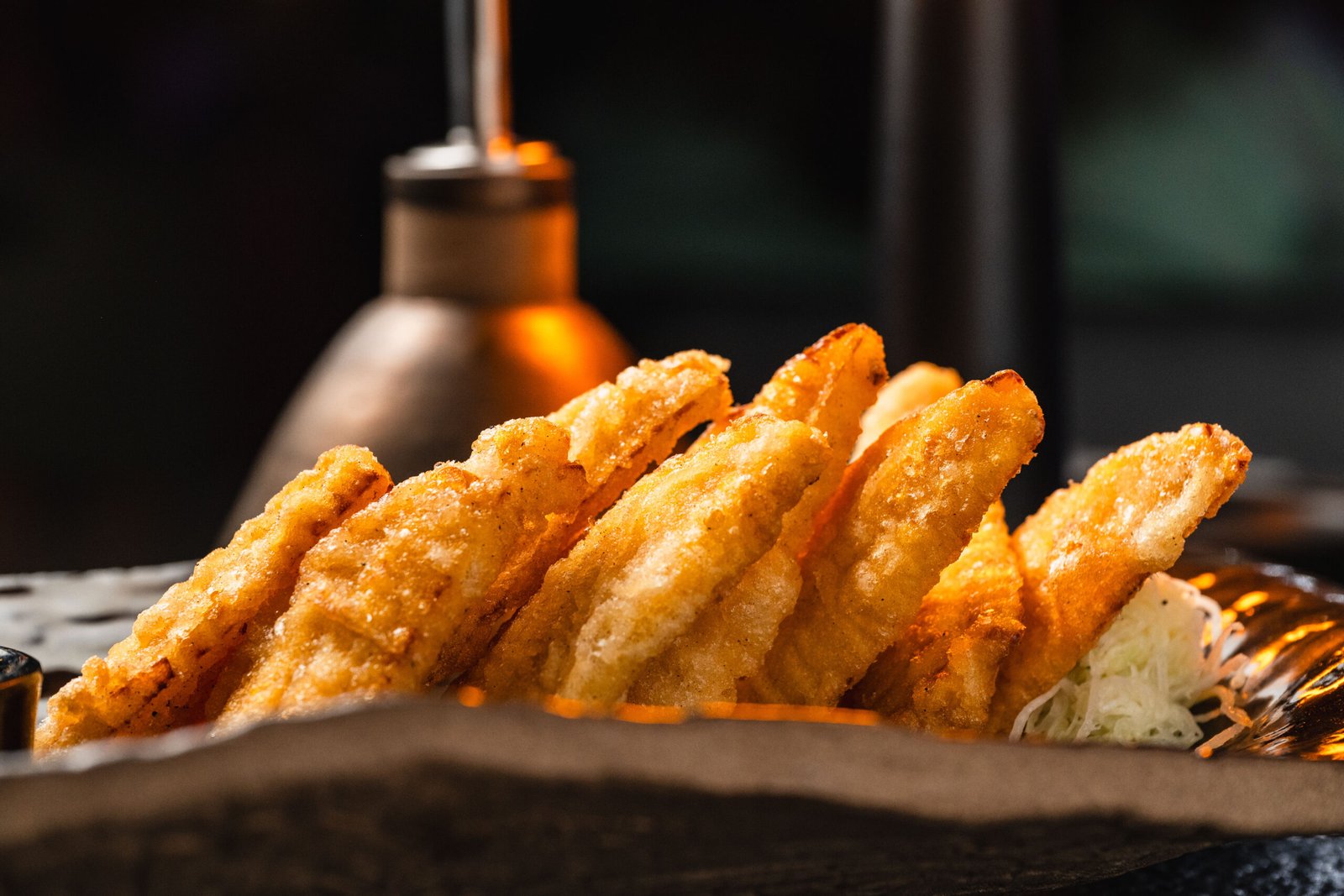
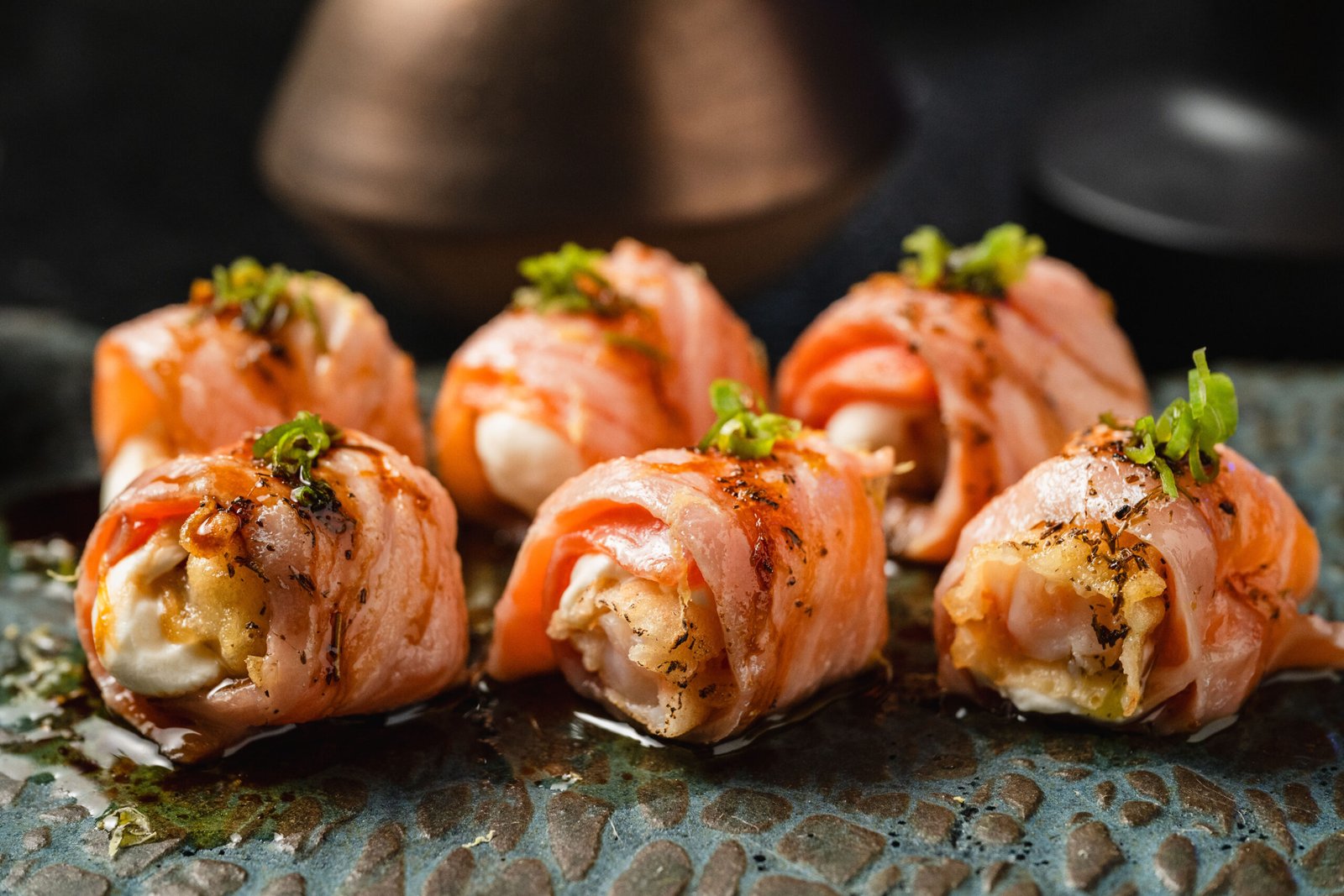
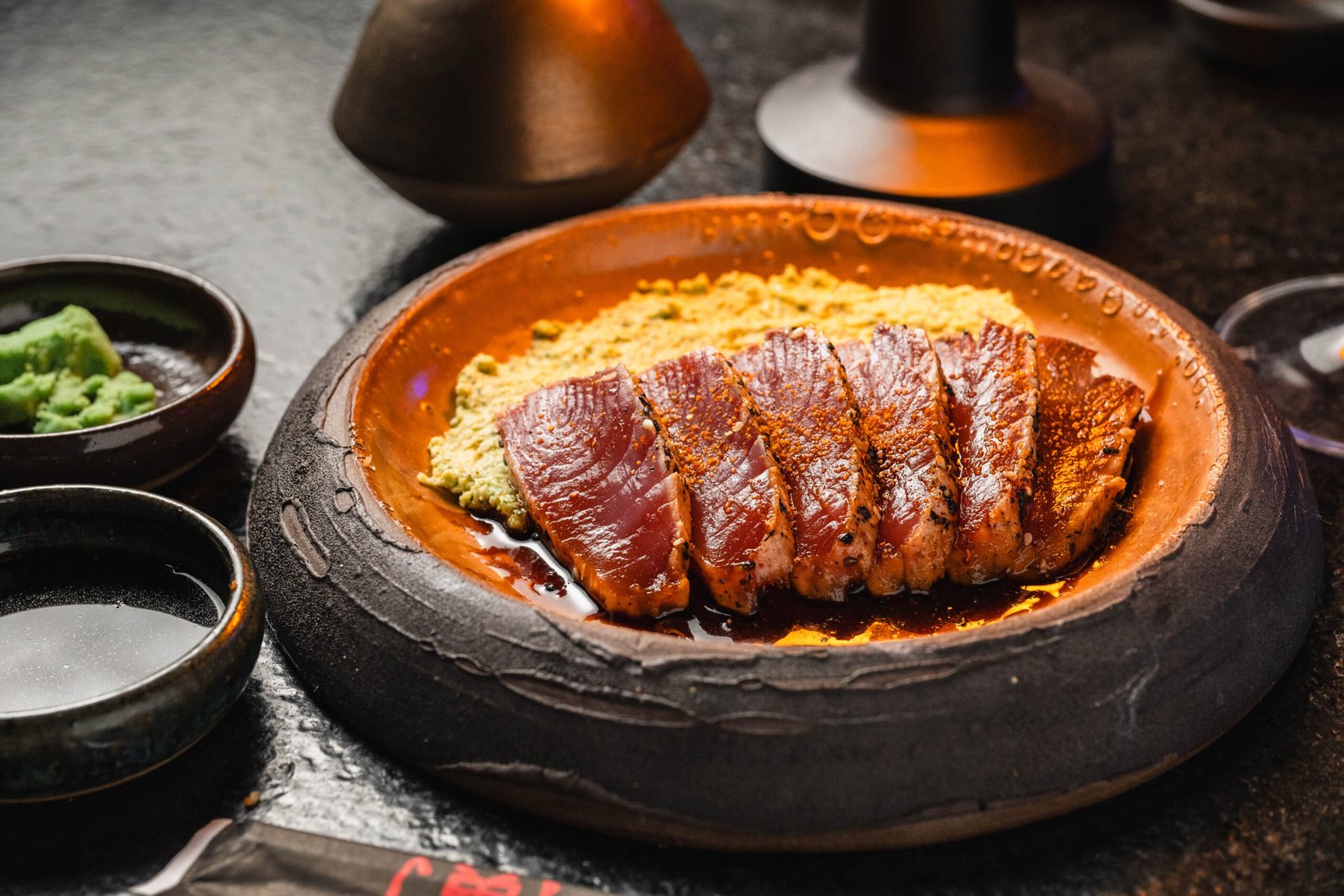
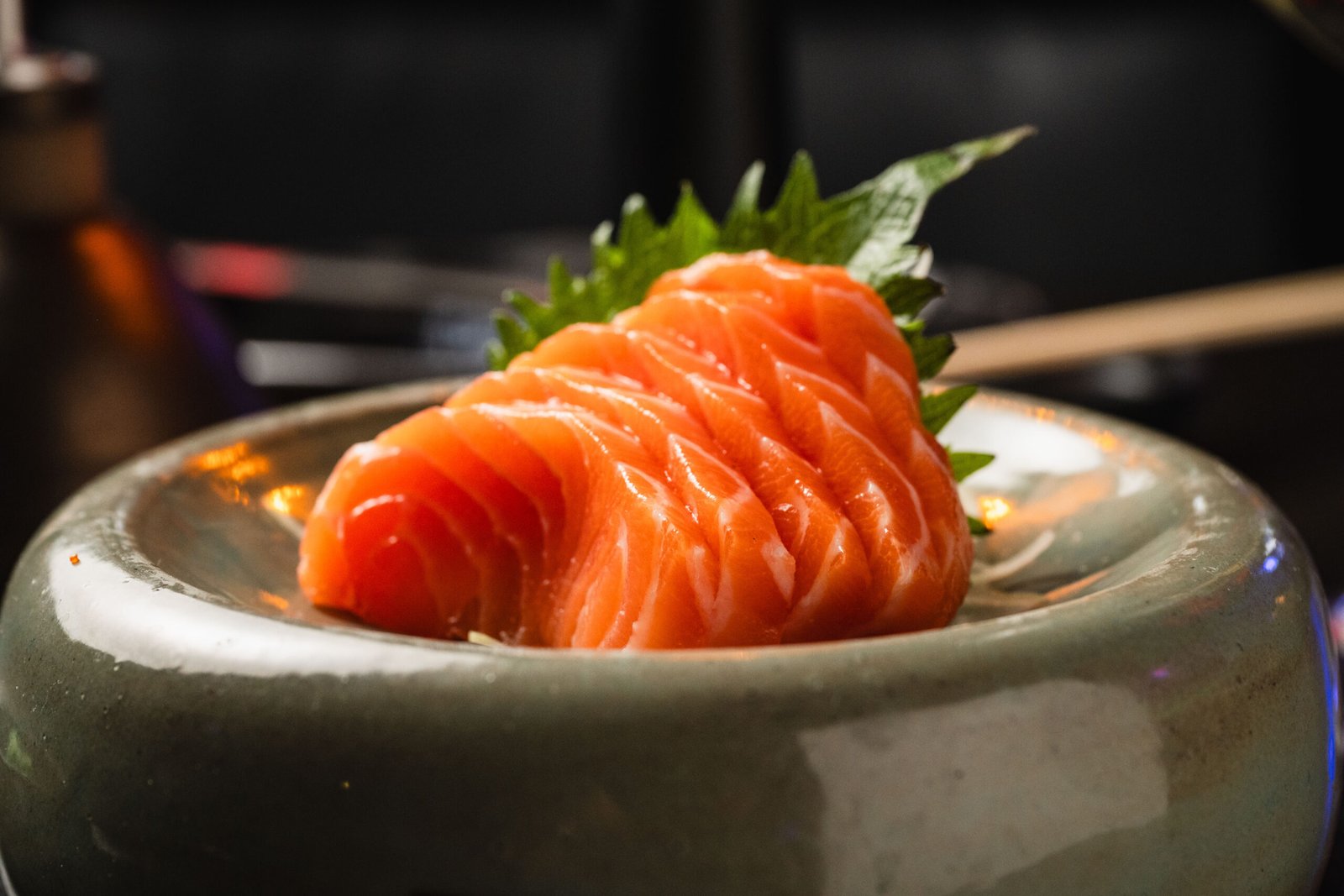
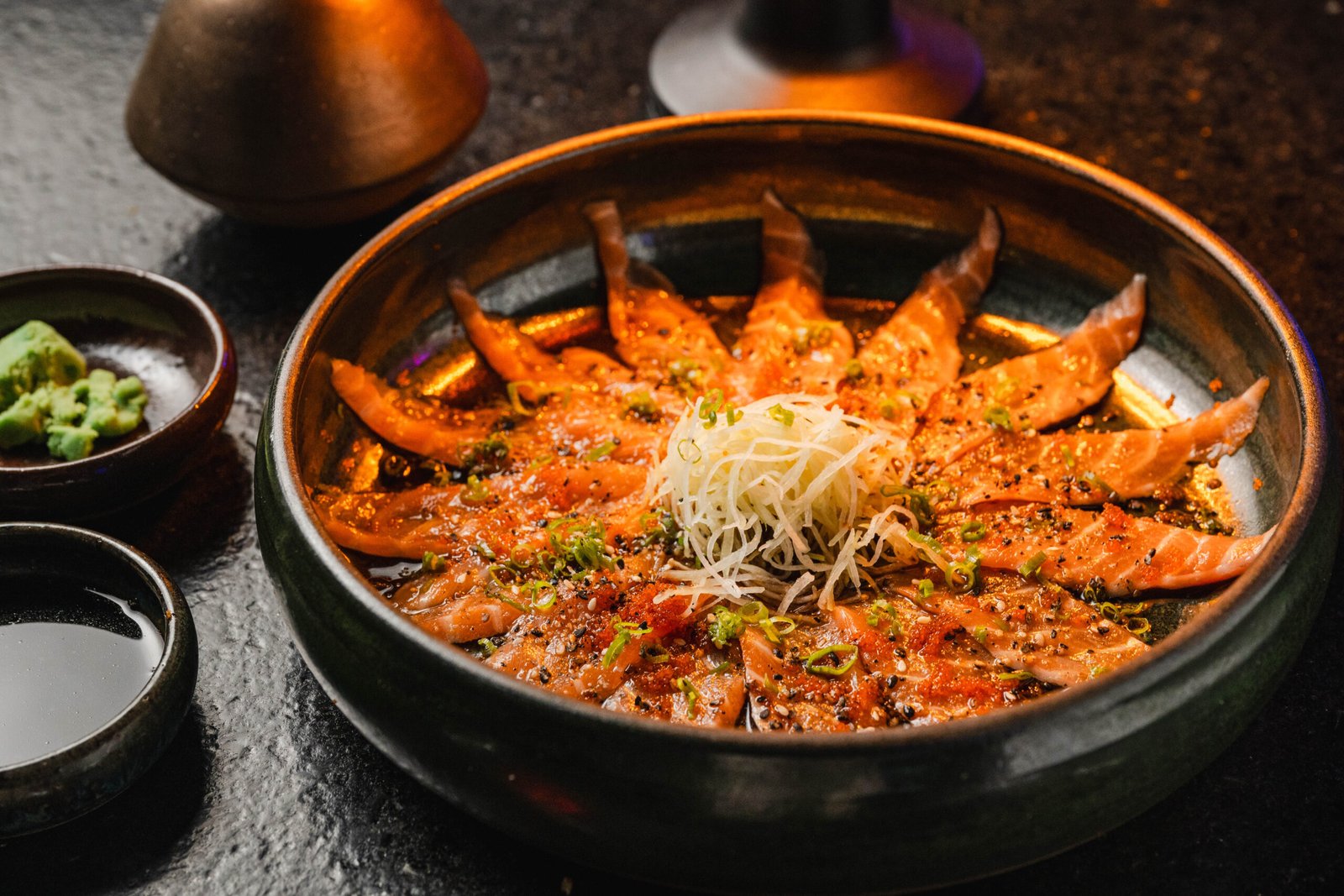
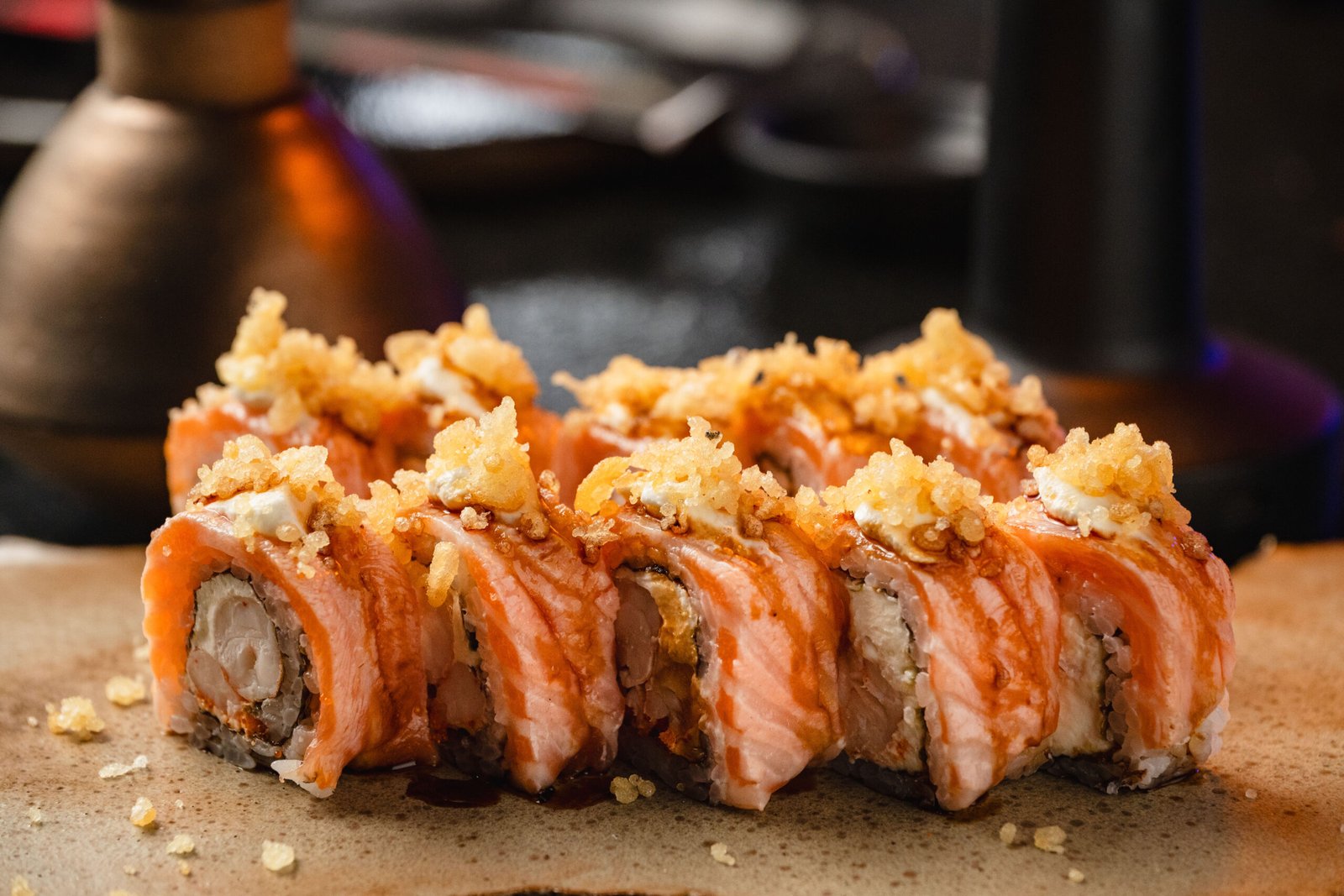
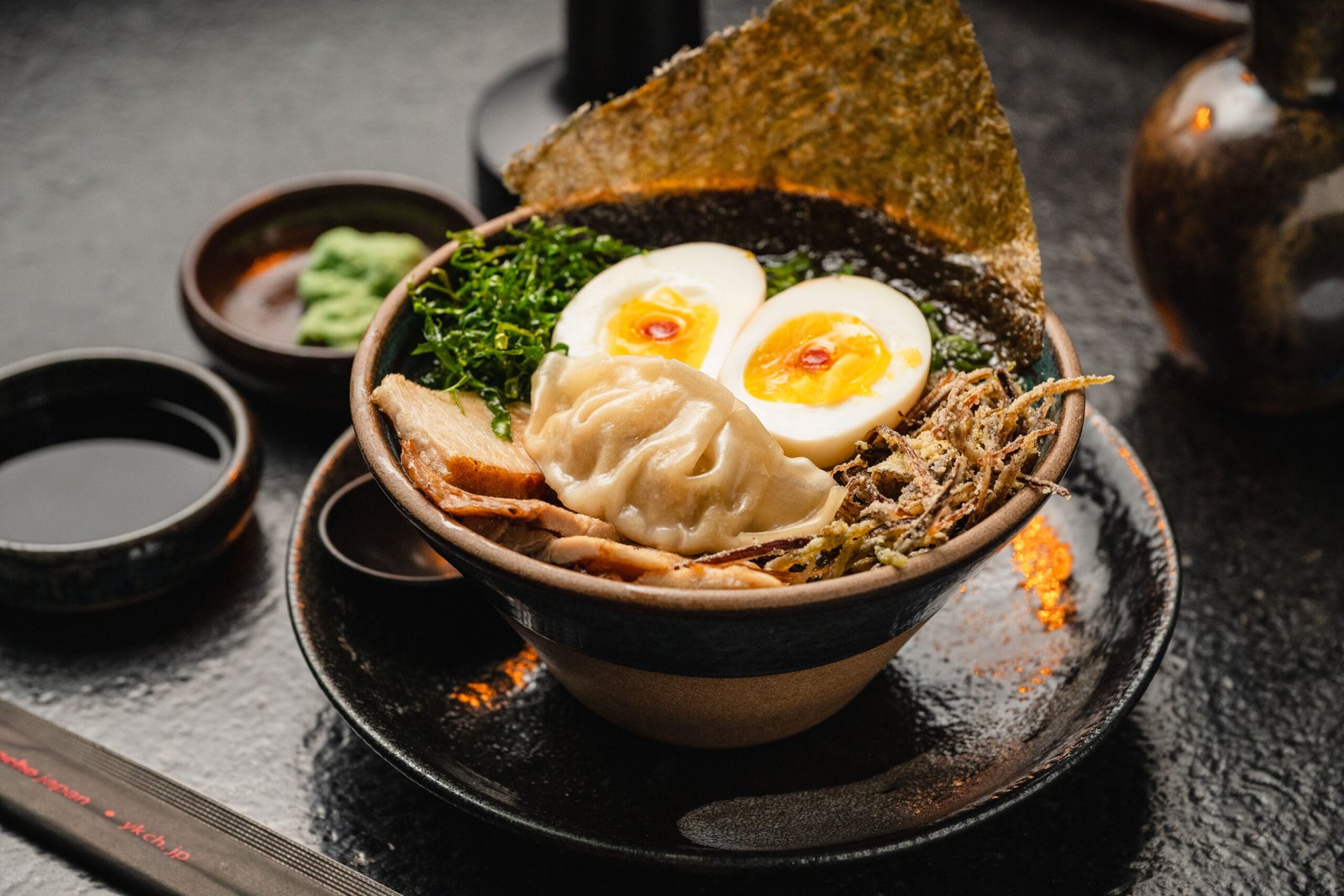
The surface of salmon suggests softness and freshness. Controlled sheen implies moisture. A seared edge speaks of caramelisation. Small shadows reveal the layers of sushi. The relief of a fried crust communicates crispness before the first bite.
That is why light direction matters so much.
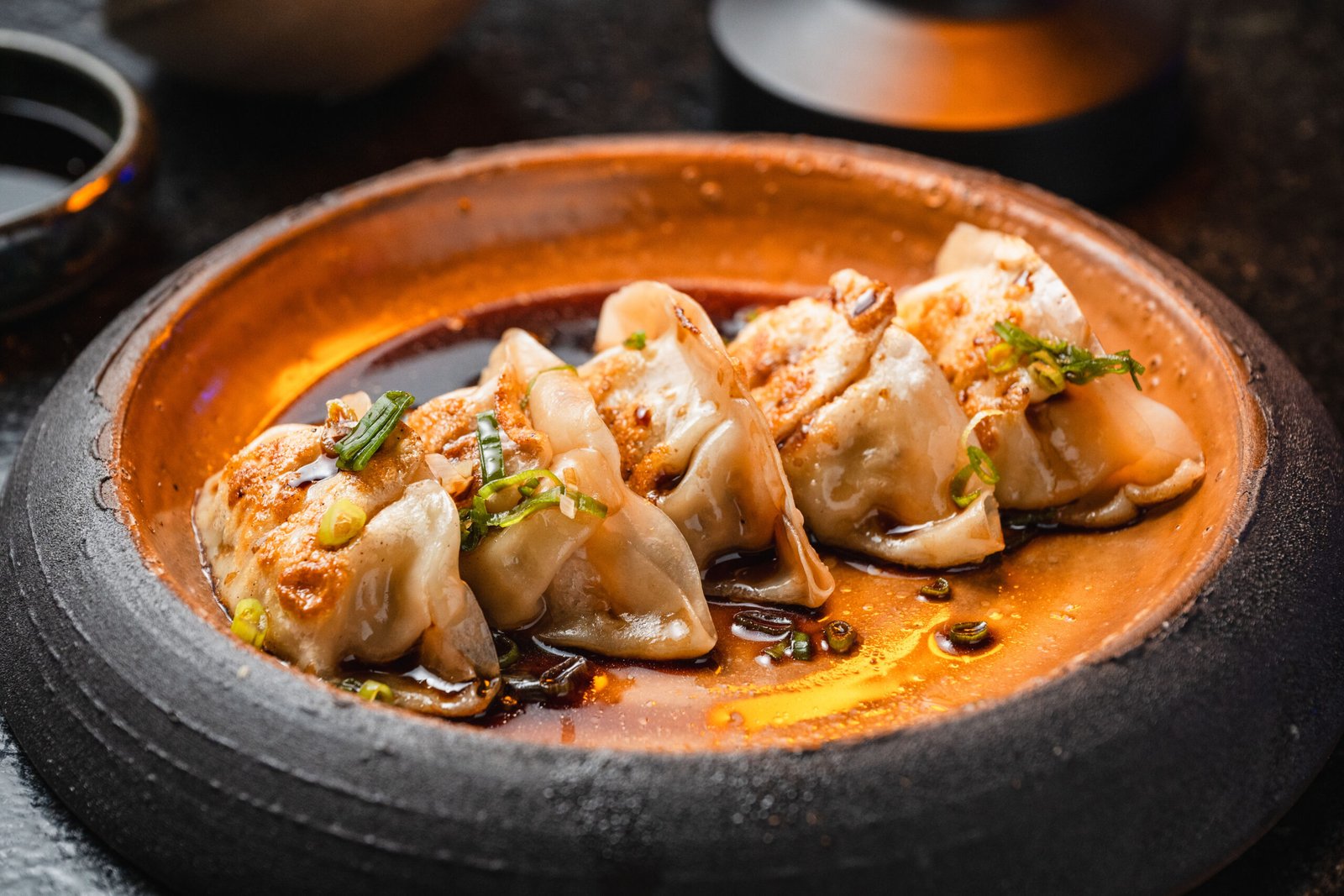
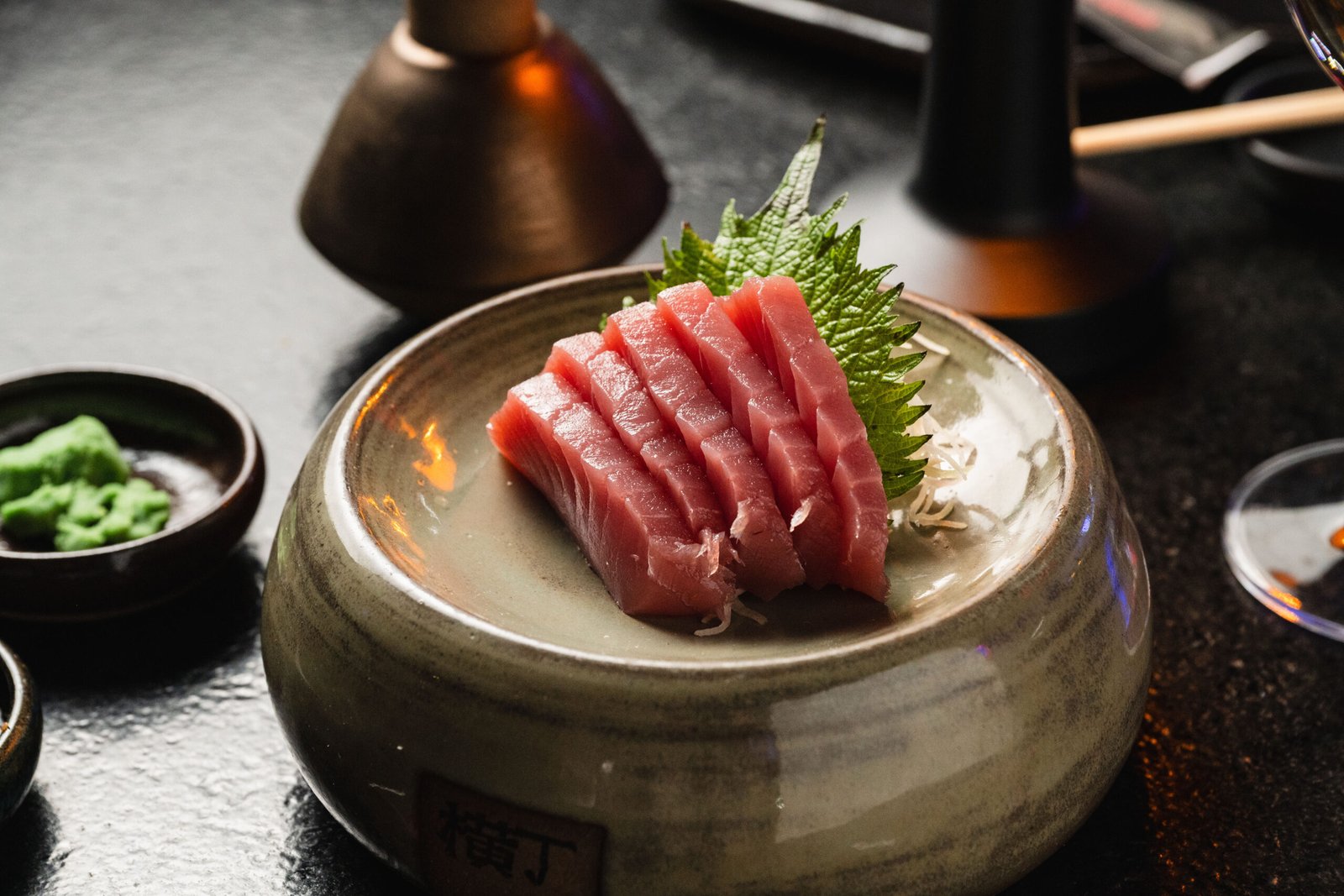
When the light comes from the camera’s direction, many of these differences disappear. The food may be bright, but it becomes flat. Move the source to the side or slightly behind the dish and the volumes begin to separate. Tiny ridges produce light and shade. Reflections stop being shapeless glare and start defining the food.
One well-positioned source can reveal more texture than several lights used without intention.
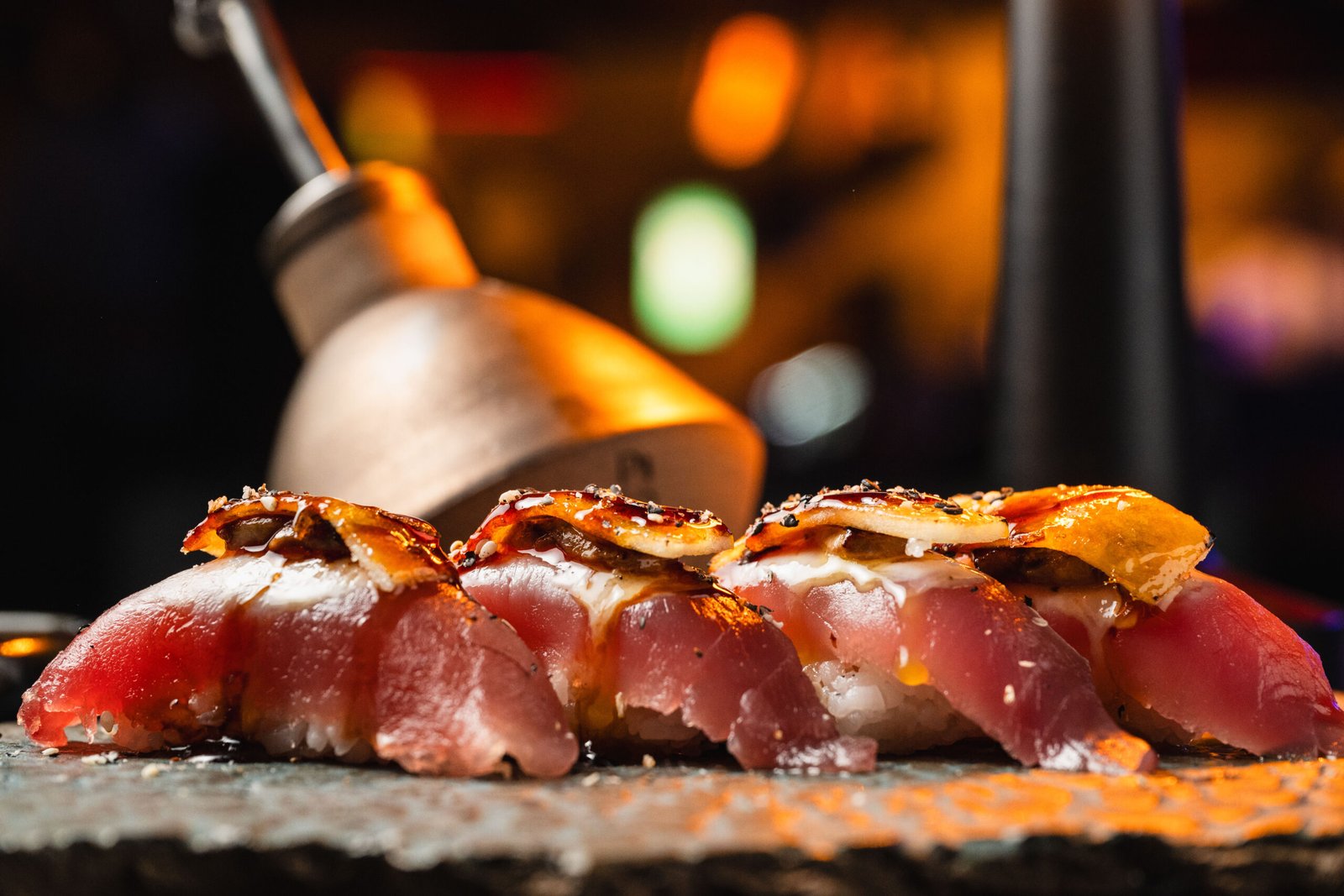
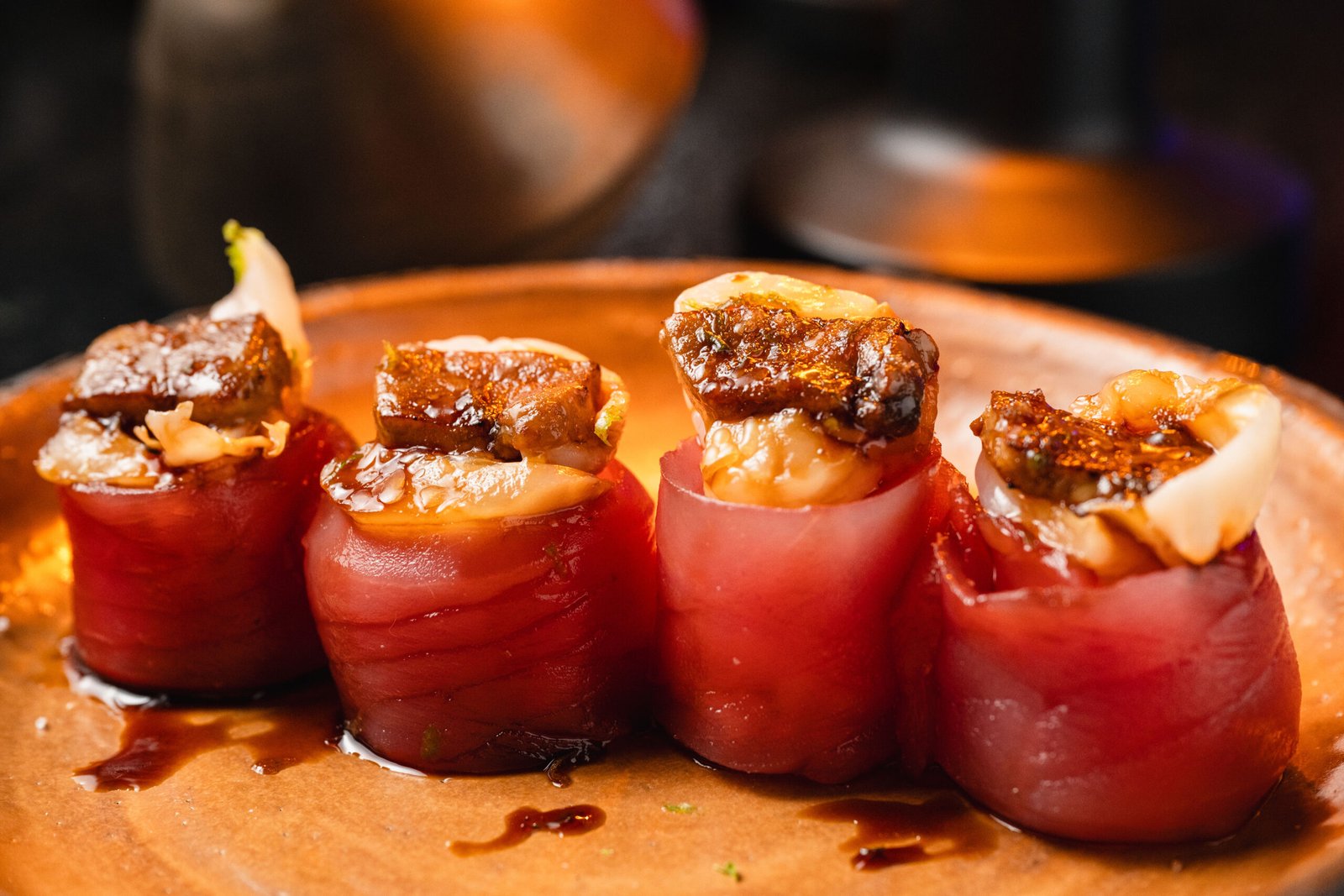
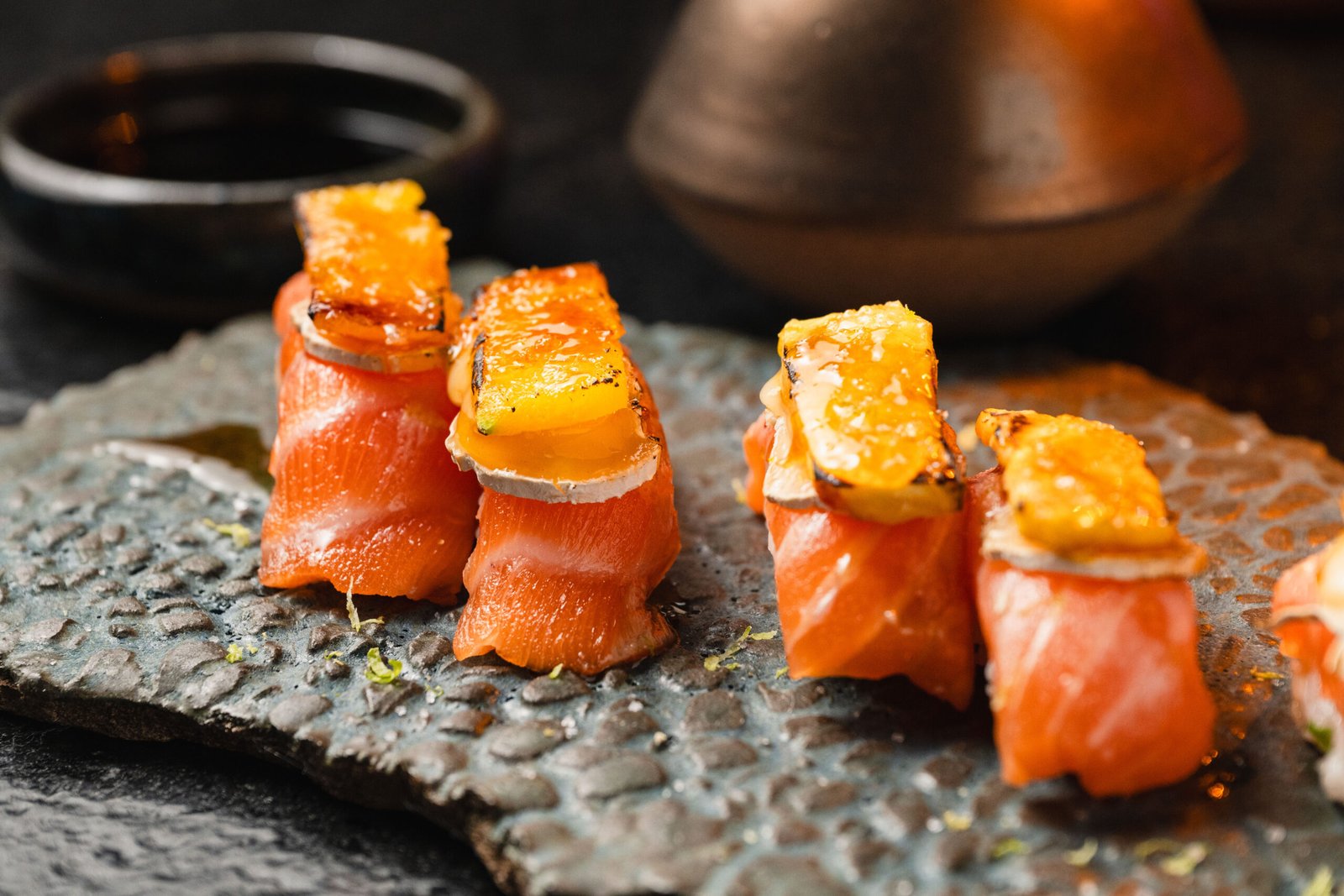
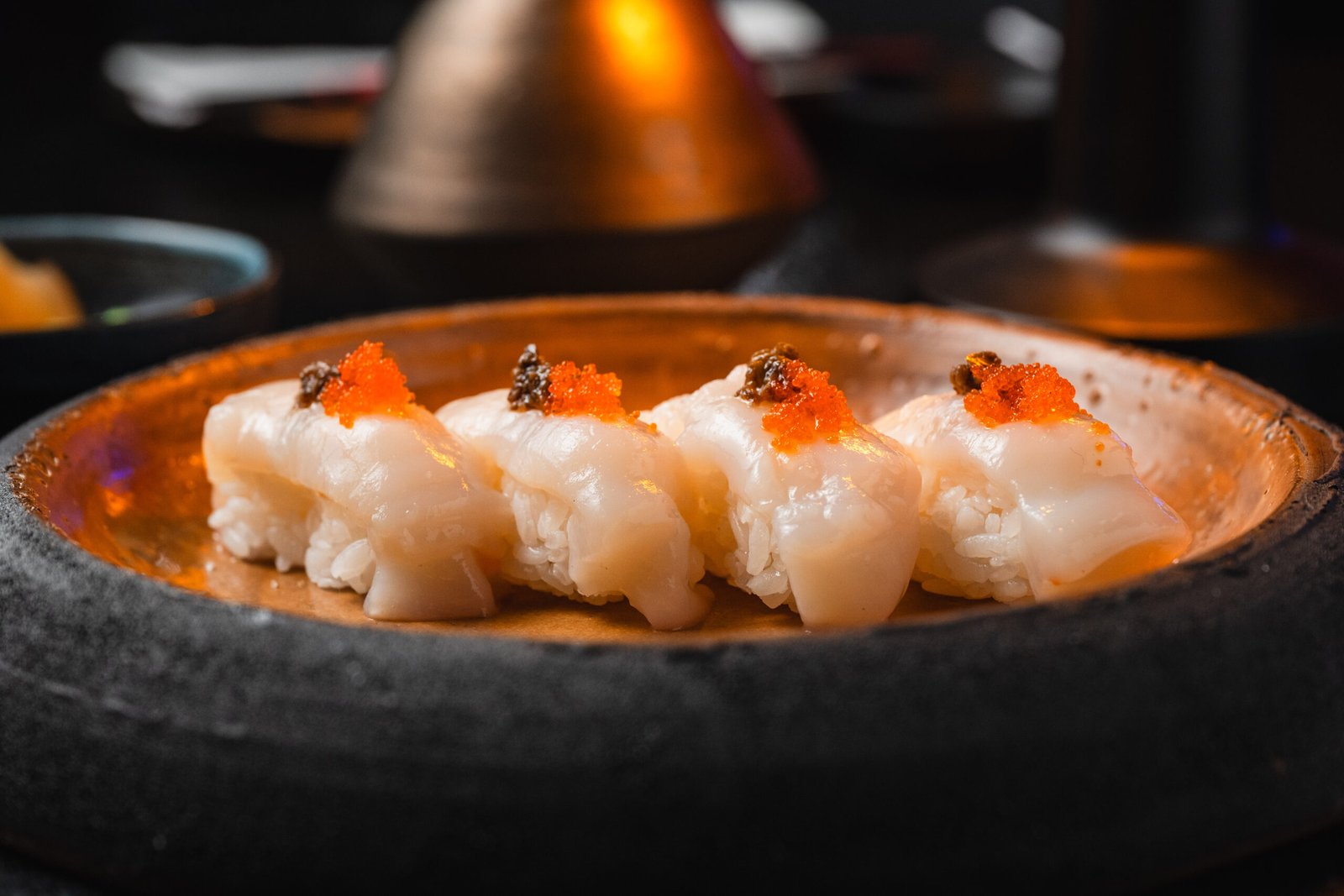
Photographing Salmon Means Protecting Delicacy and Colour
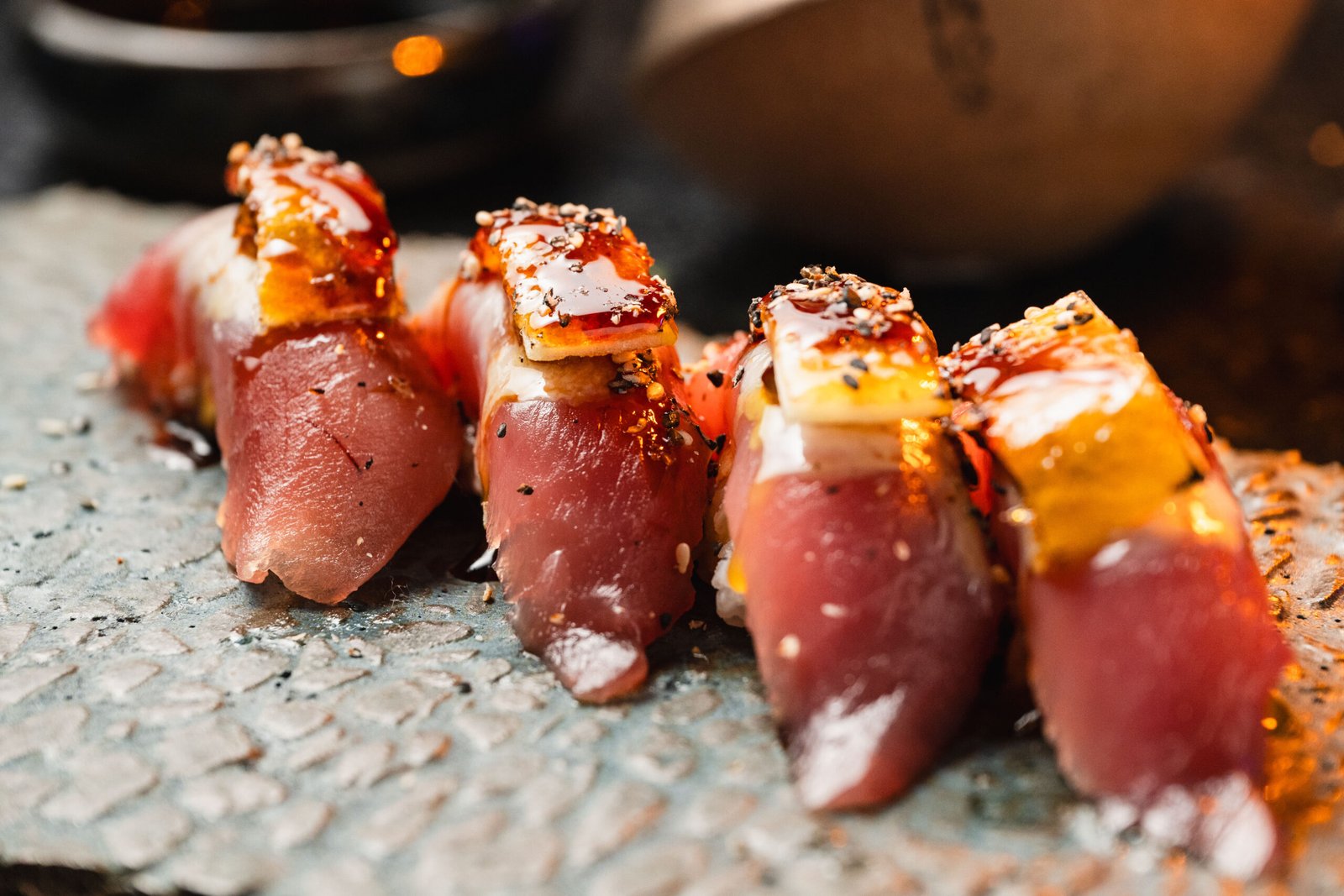
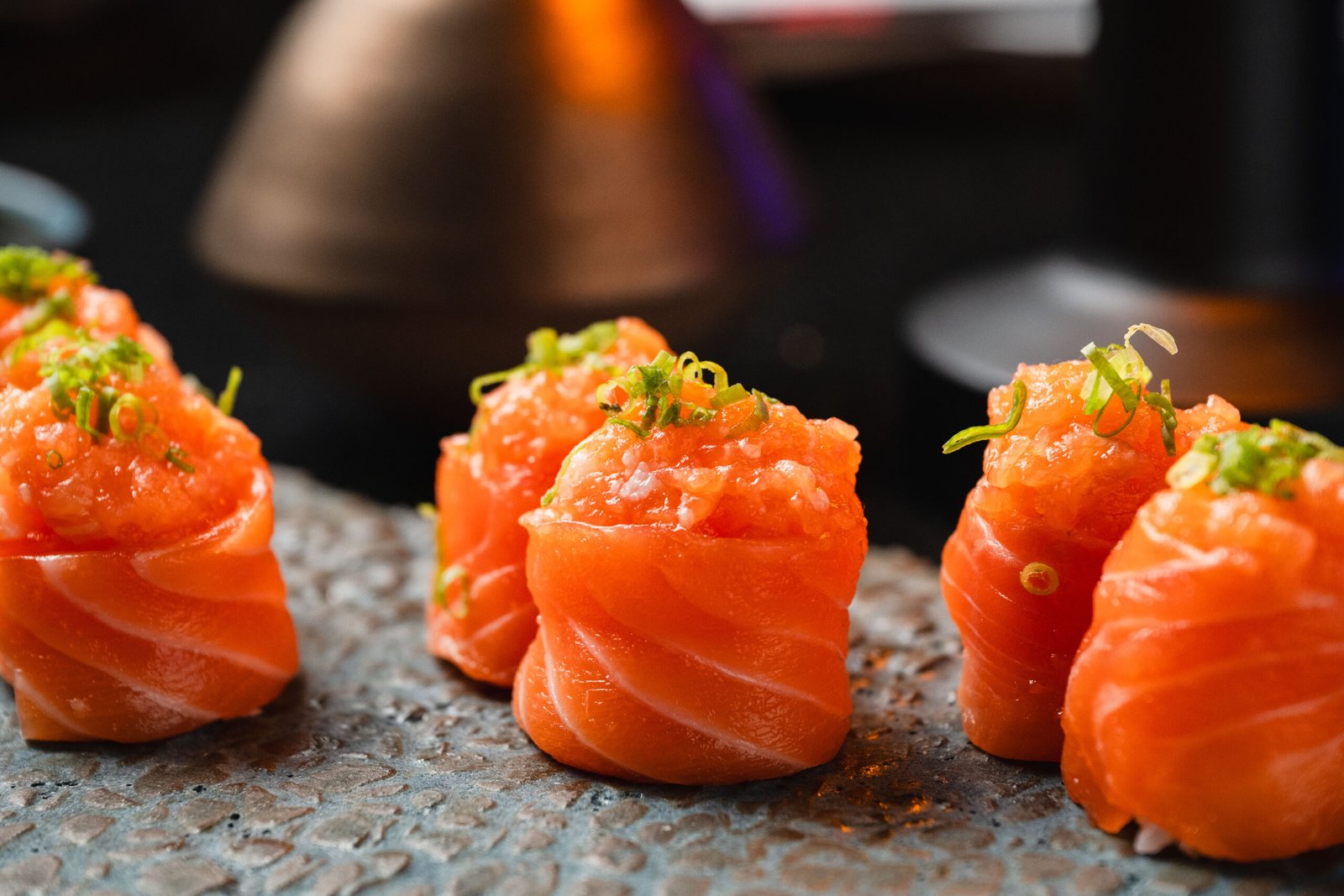
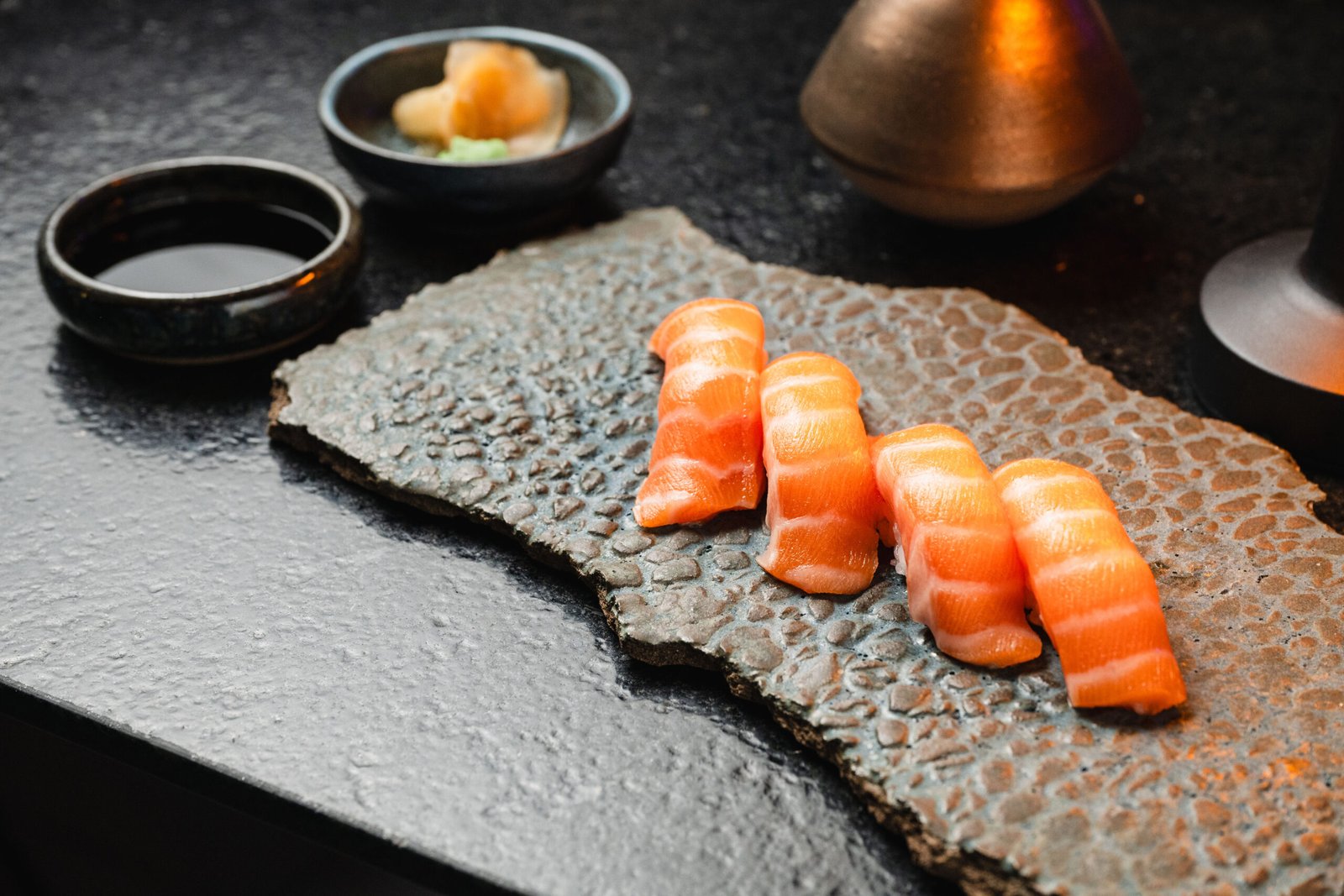
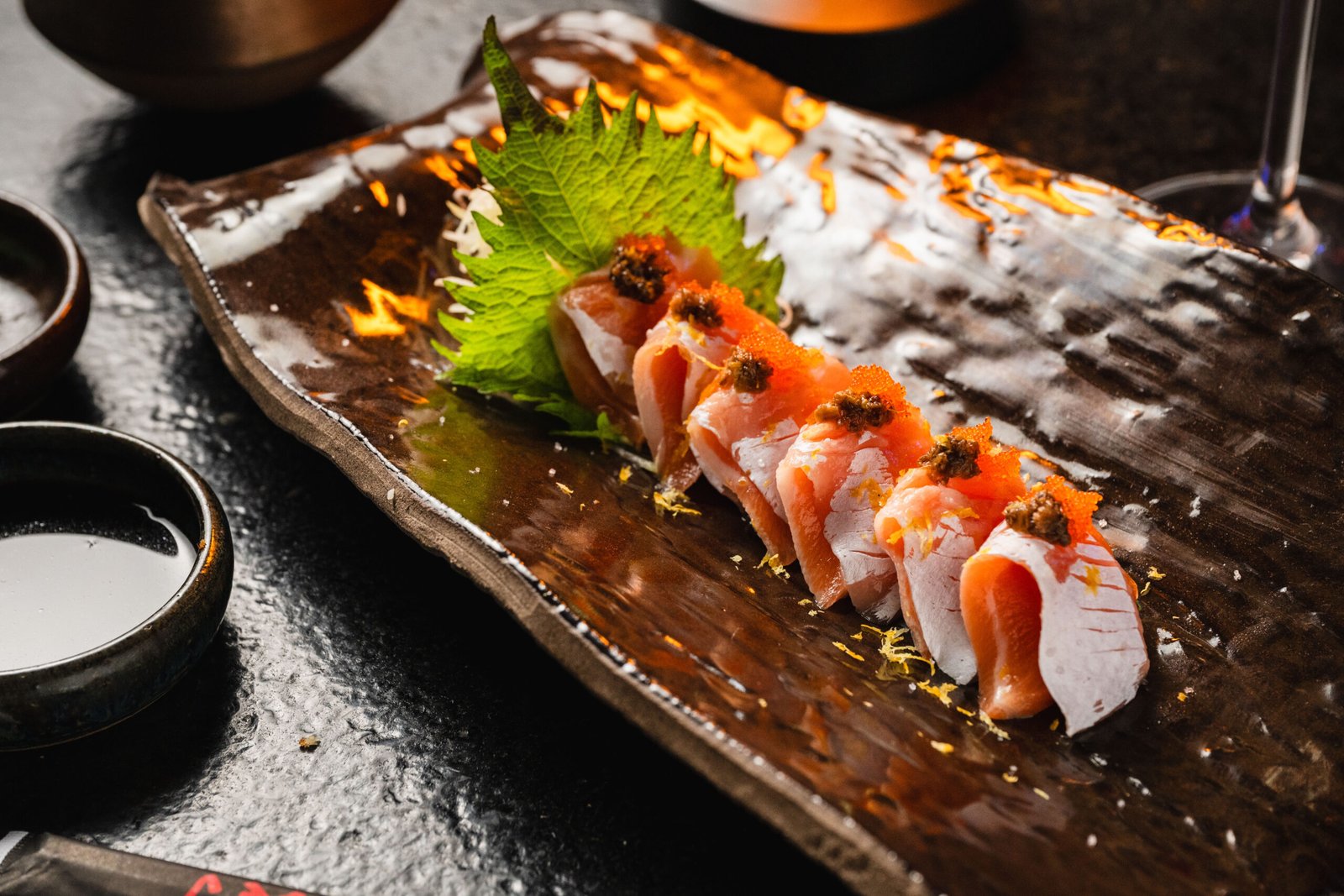
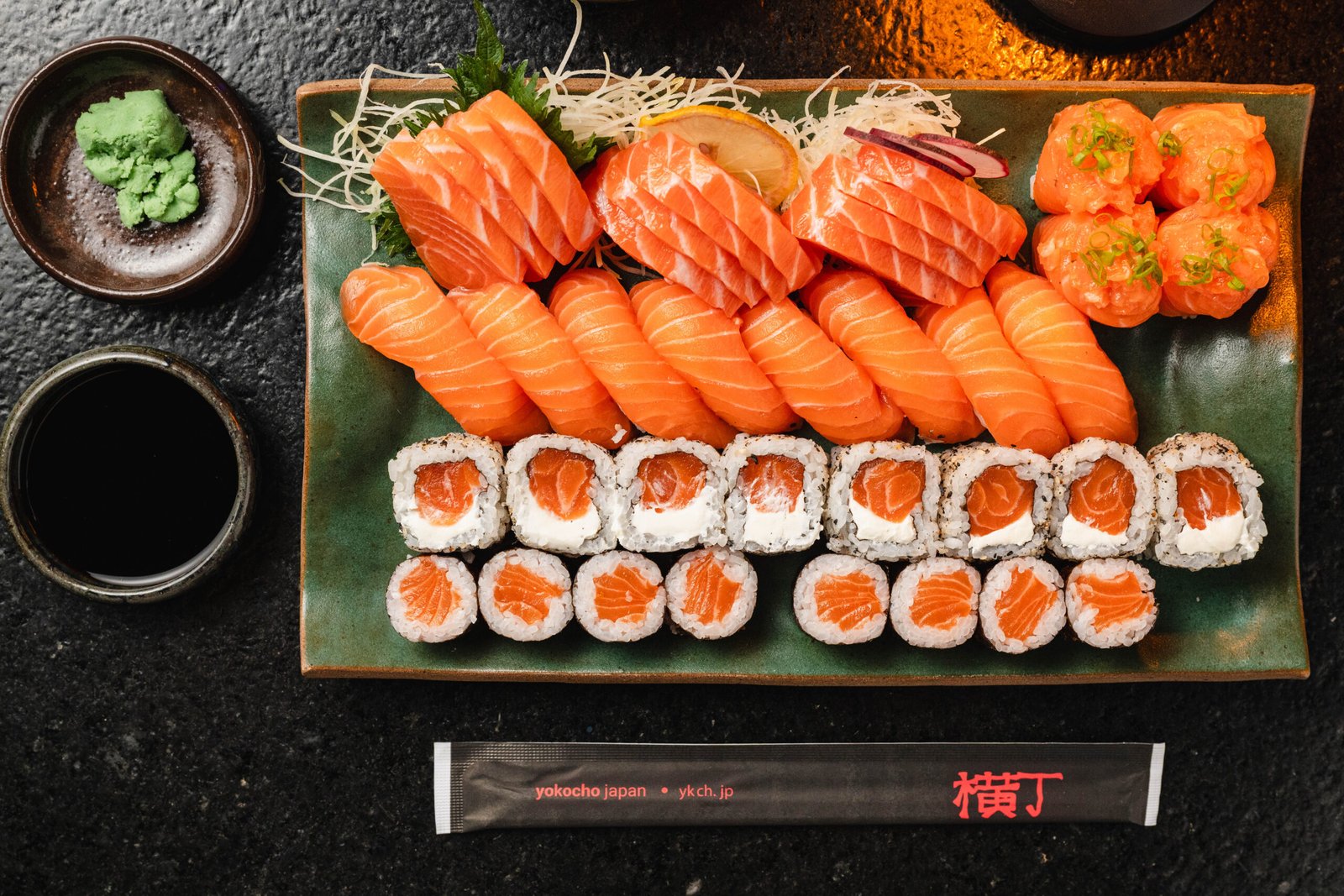
Salmon is visually generous, but it requires care. Its colour can become artificial very easily. Reflections can clip and erase the texture. Excessively frontal light can turn a delicate surface into a uniform mass.
At Yokocho, I looked for a light that would preserve the fish’s natural gradation—from intense orange to the pale lines of fat—without sacrificing the sensation of freshness. Shadow is not the enemy in this process. It creates the interval that allows highlights to exist.
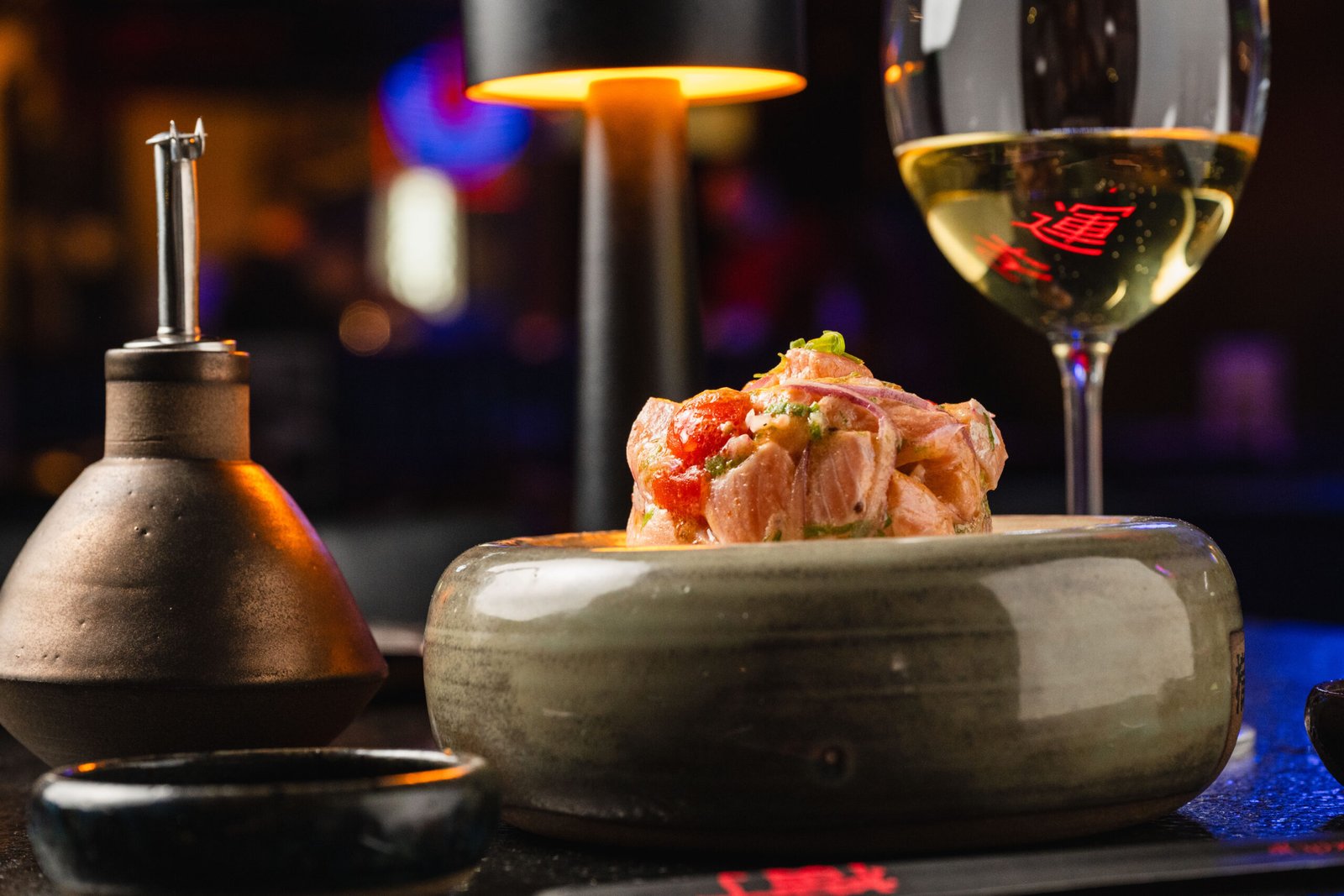
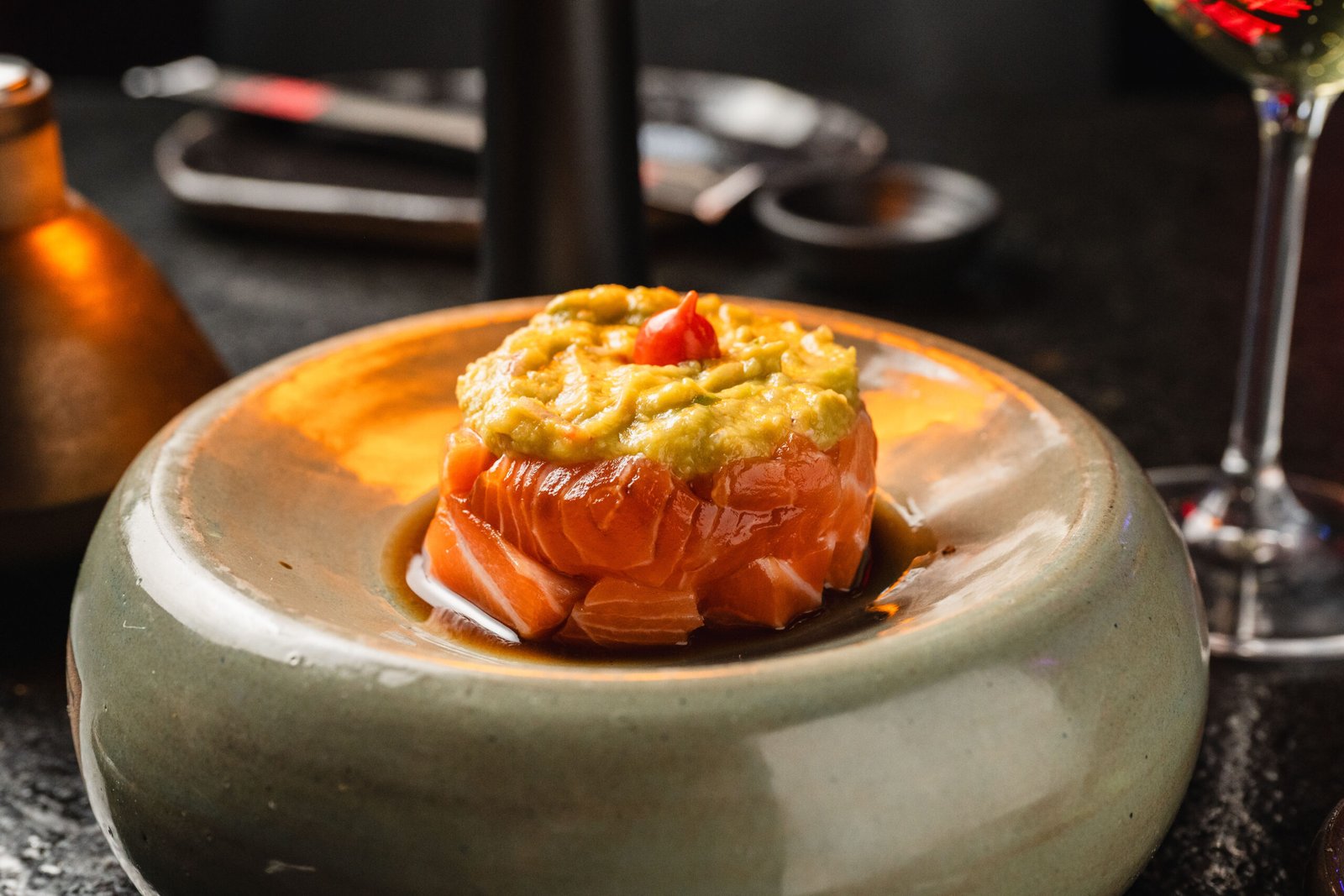
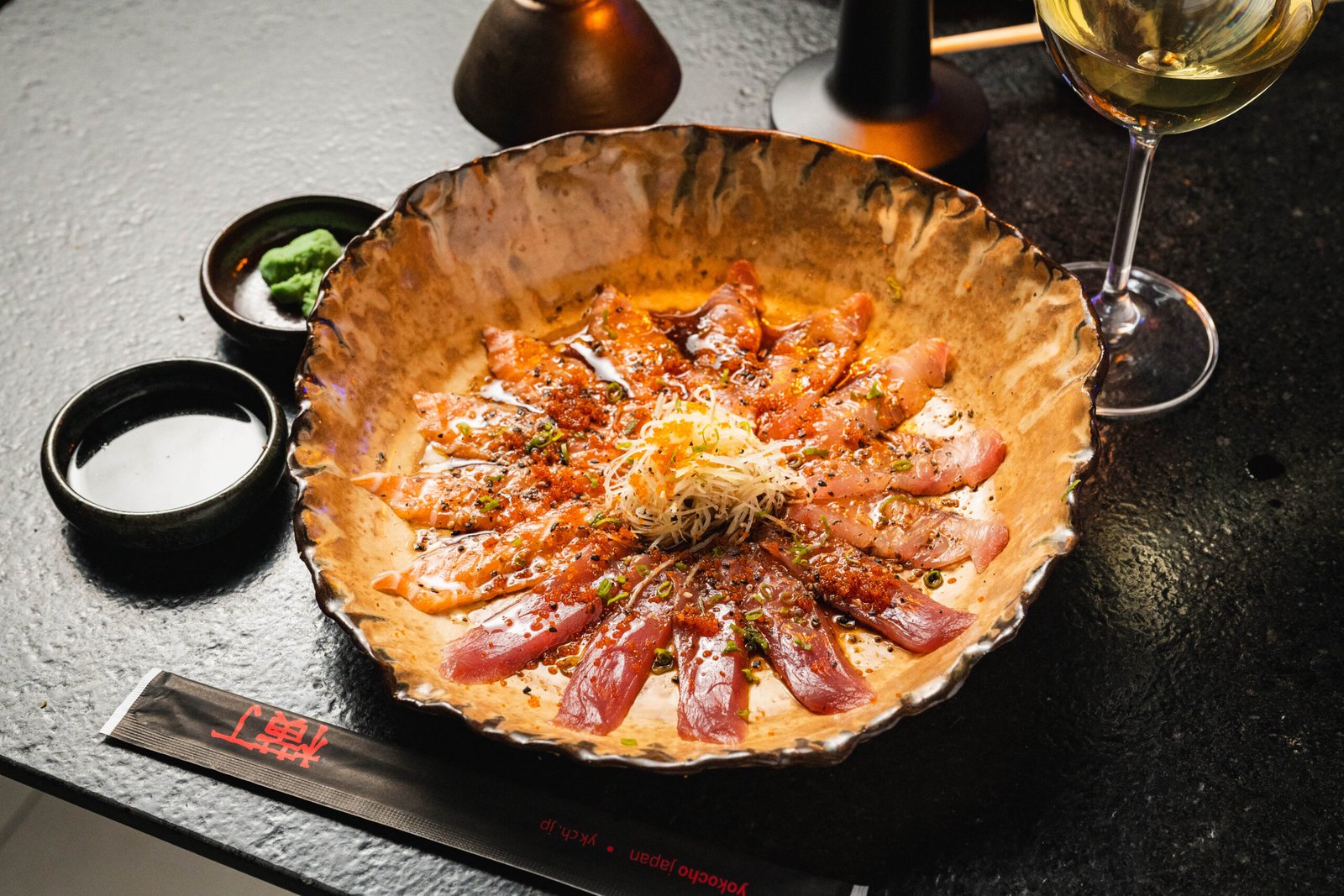
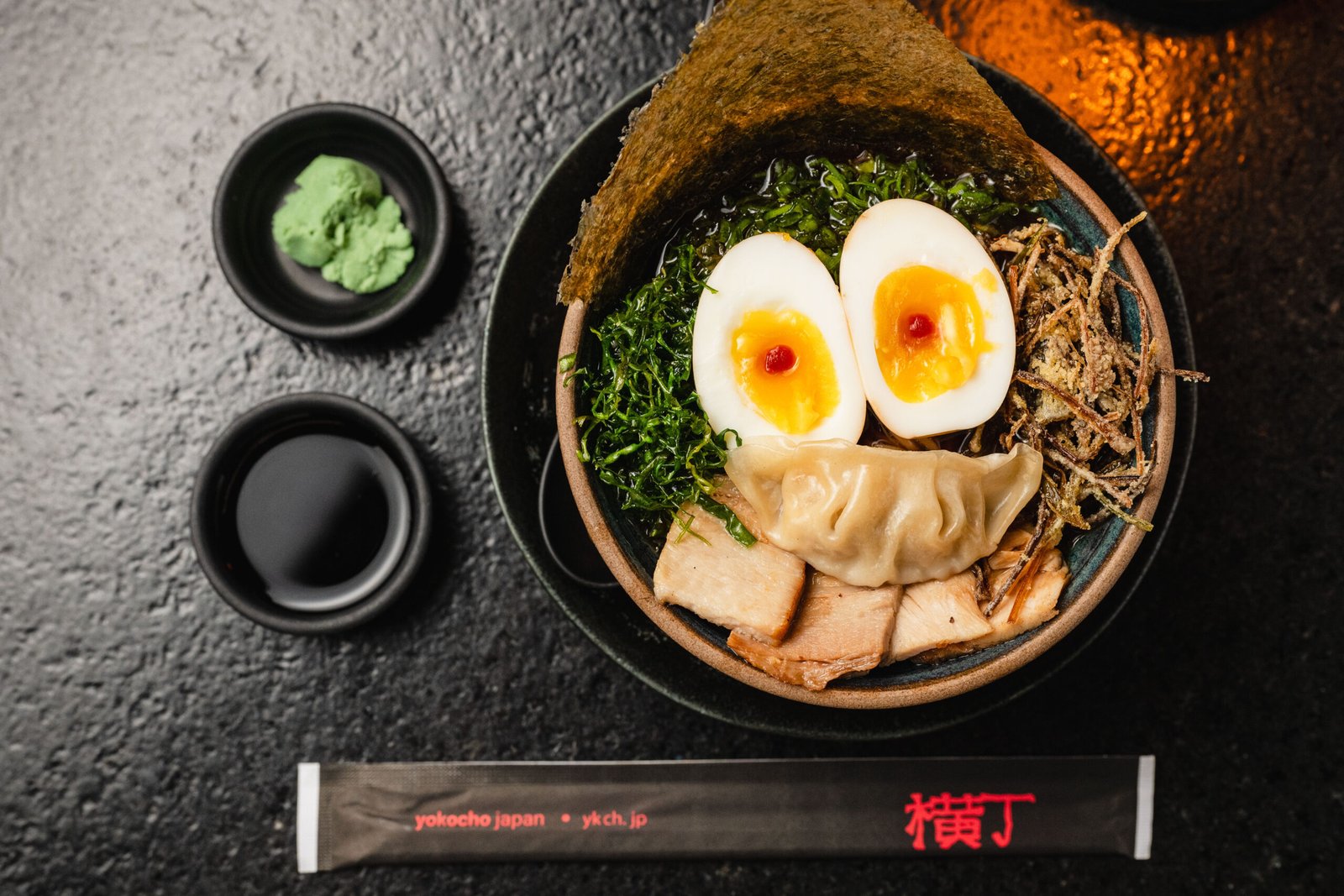
Some images move close to the food to reveal the cut, surface and finishing. Others allow the plate to converse with the background and the objects on the table. Alternating close views with wider scenes prevents a long visual sequence from becoming repetitive.
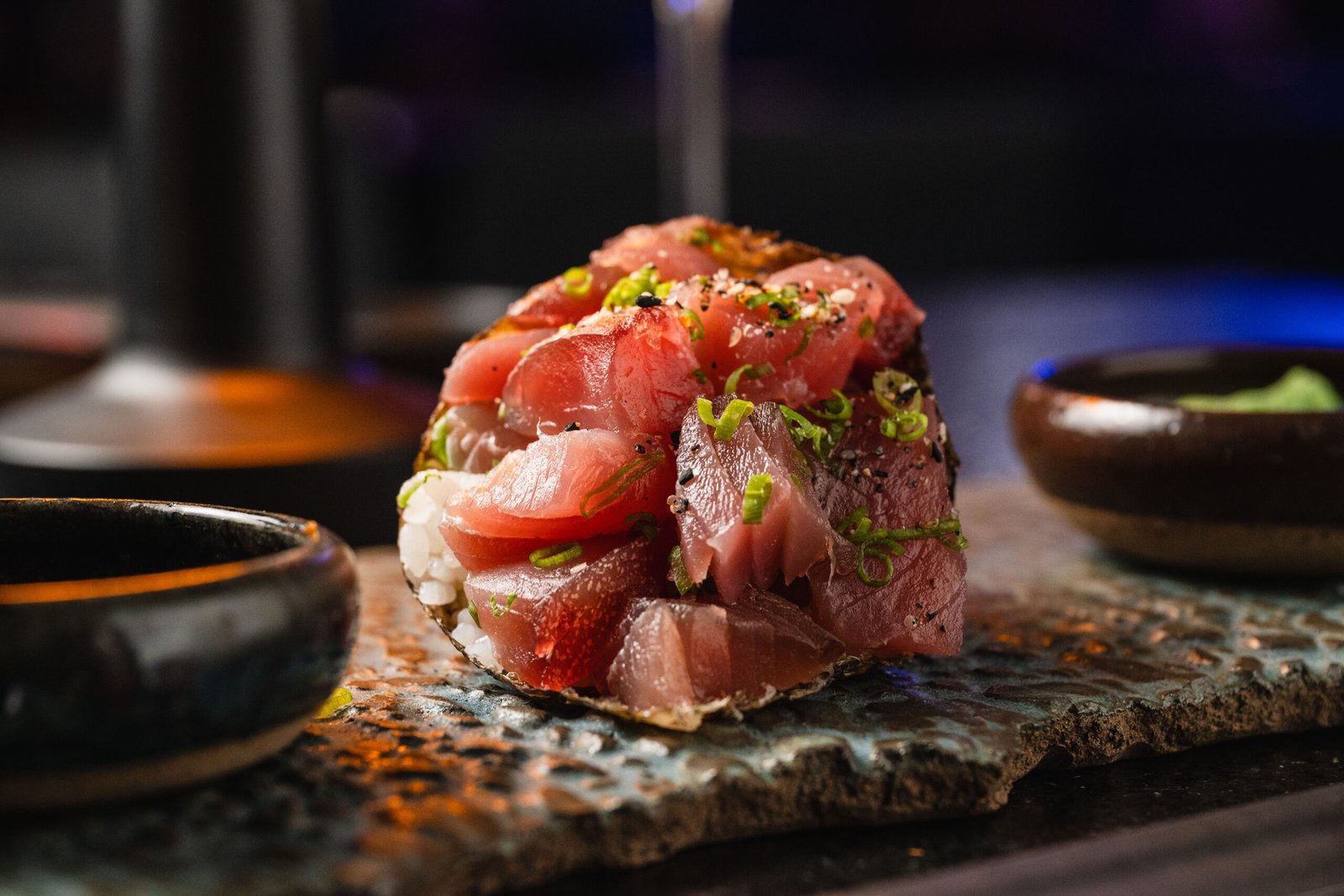
The Photographs Must Be Beautiful — and They Must Work for the Restaurant
A professional restaurant shoot should deliver more than a handful of “hero images.” It should build a coherent visual library that can serve the many places where guests meet the brand.
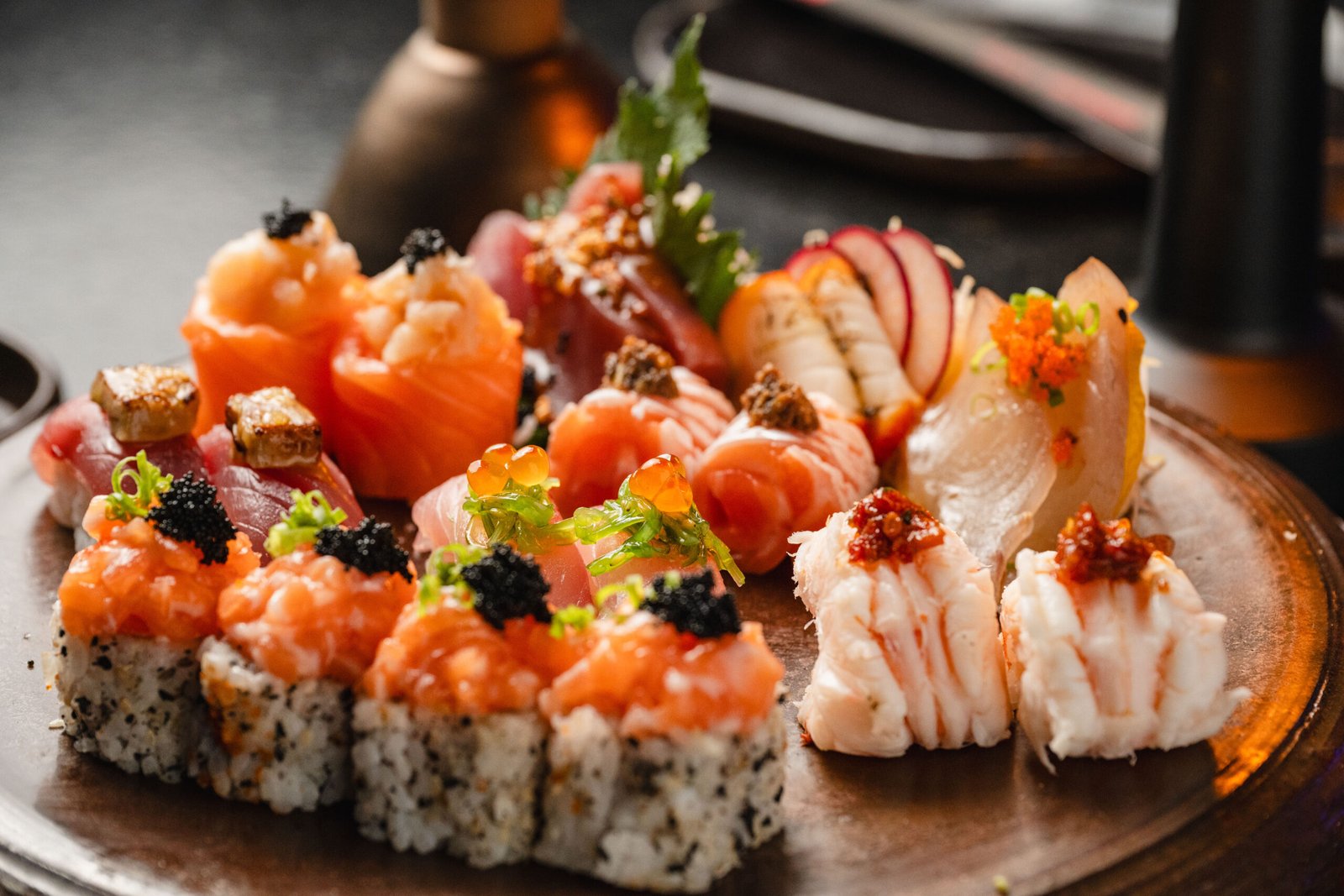
A vertical photograph can open an article, story or campaign. A horizontal composition works across websites, advertising and press. A close-up values ingredients and finishing. A large platter communicates variety and an occasion for sharing. A scene with hands humanises the service.
This variety matters because guests discover restaurants in different places. Google encourages restaurants to show their best dishes and menus through photography. Social platforms reward movement and proximity. A website must express identity. An editorial feature needs a beginning, development and conclusion.
The shoot is therefore not a set of isolated photographs. It is a system of images.
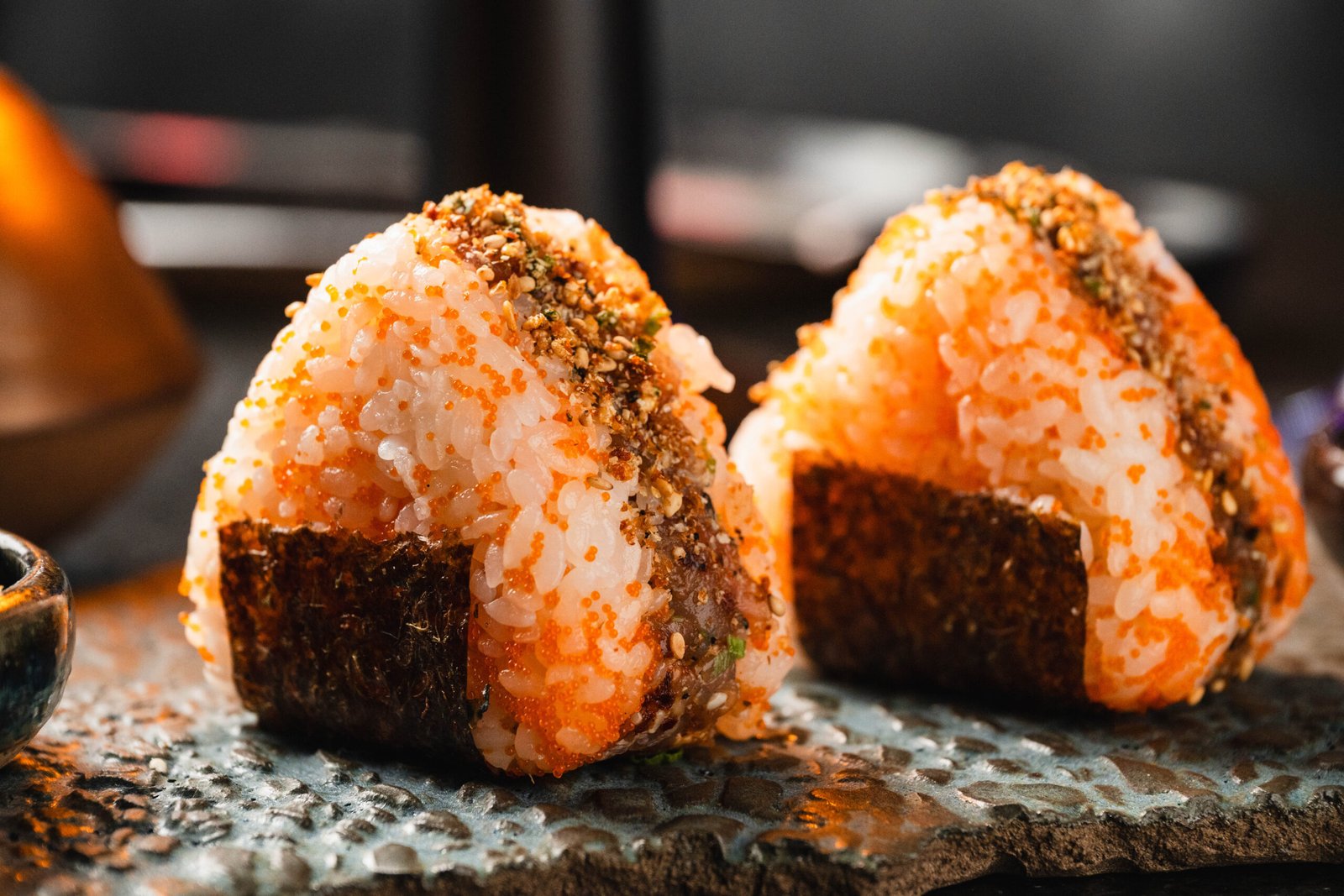
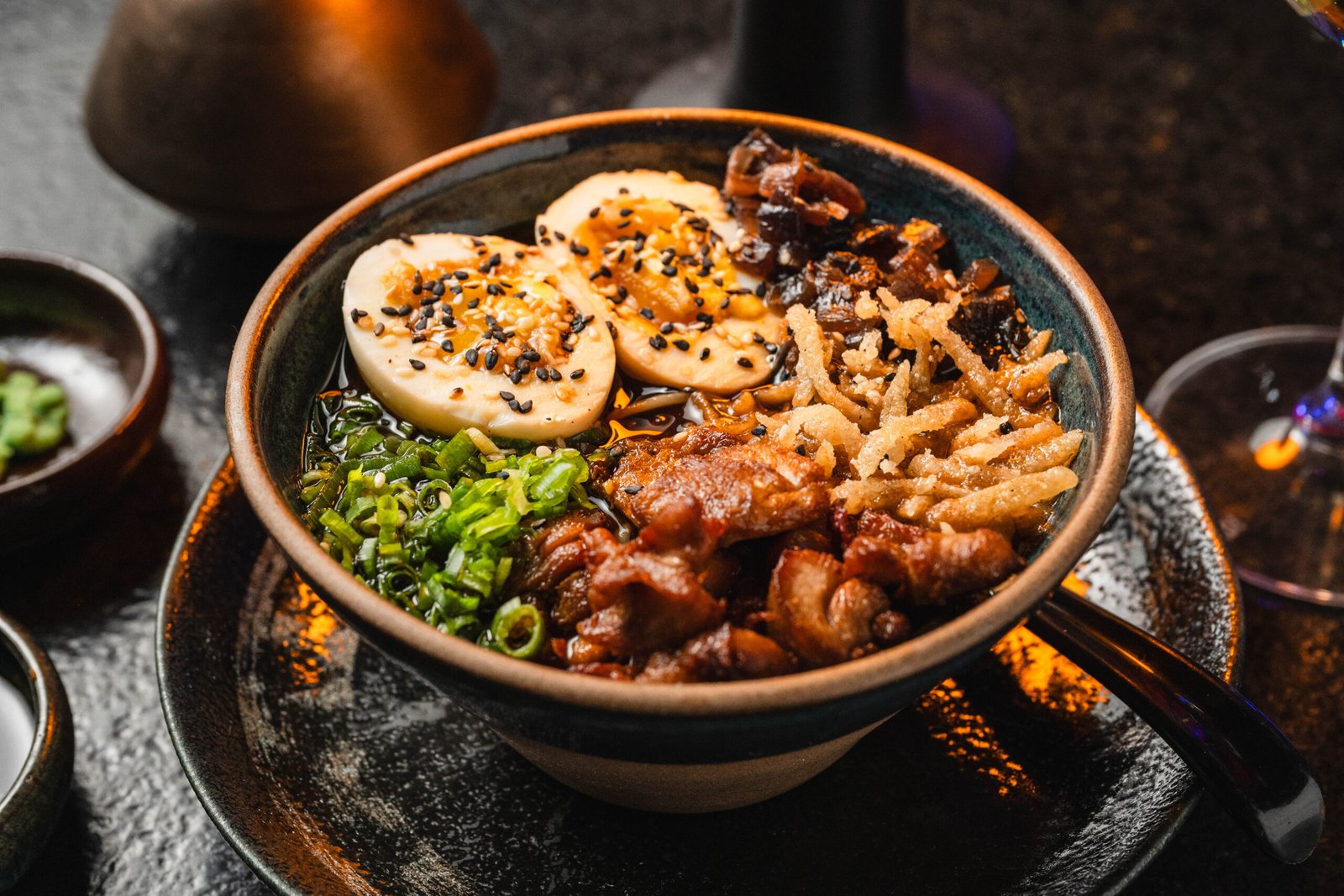
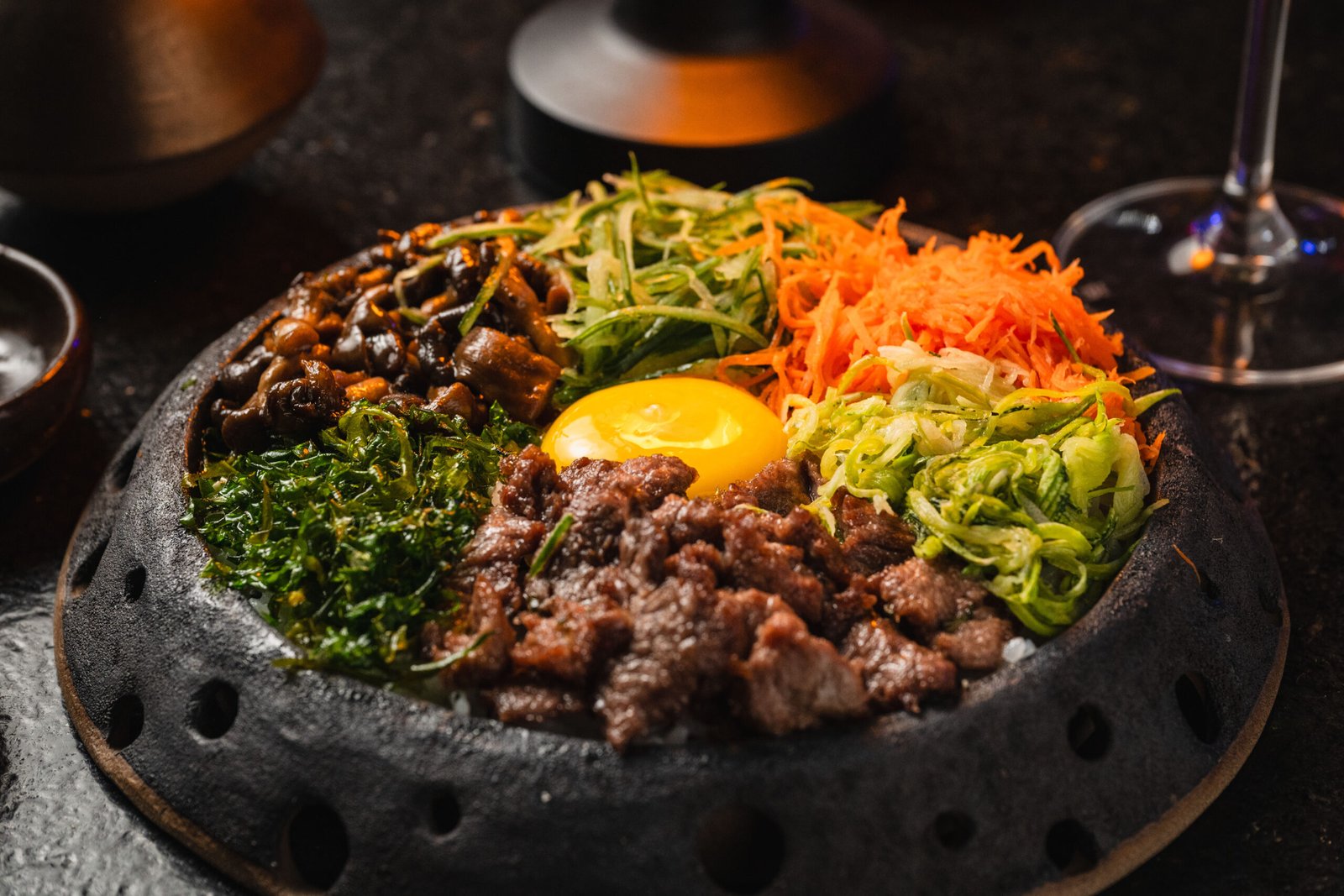
The Background Is Part of the Dish
One of the risks of flash is destroying the restaurant’s atmosphere. When it dominates the entire frame, background lights disappear, the room becomes black or loses its colour, and the photograph could have been taken anywhere.
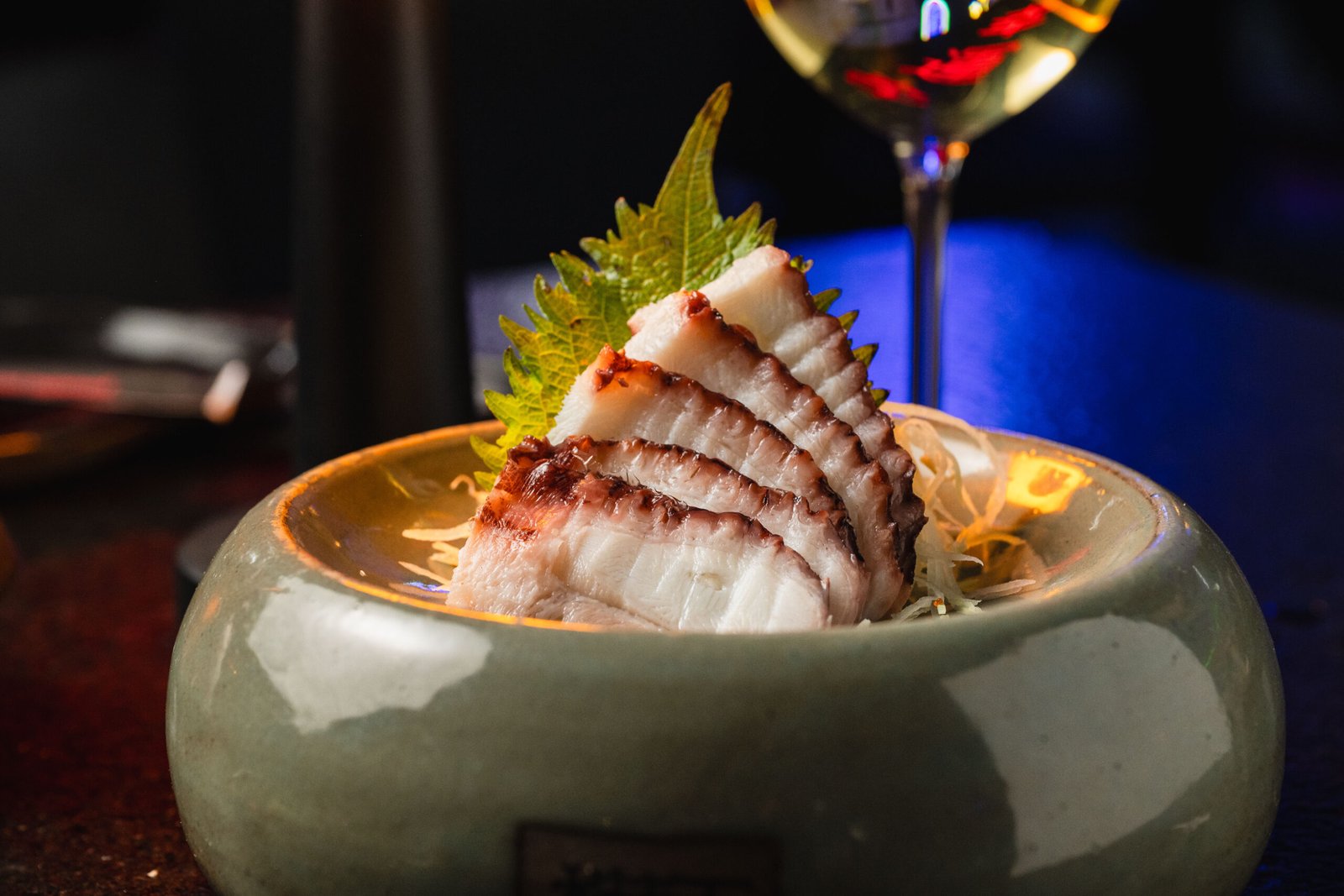
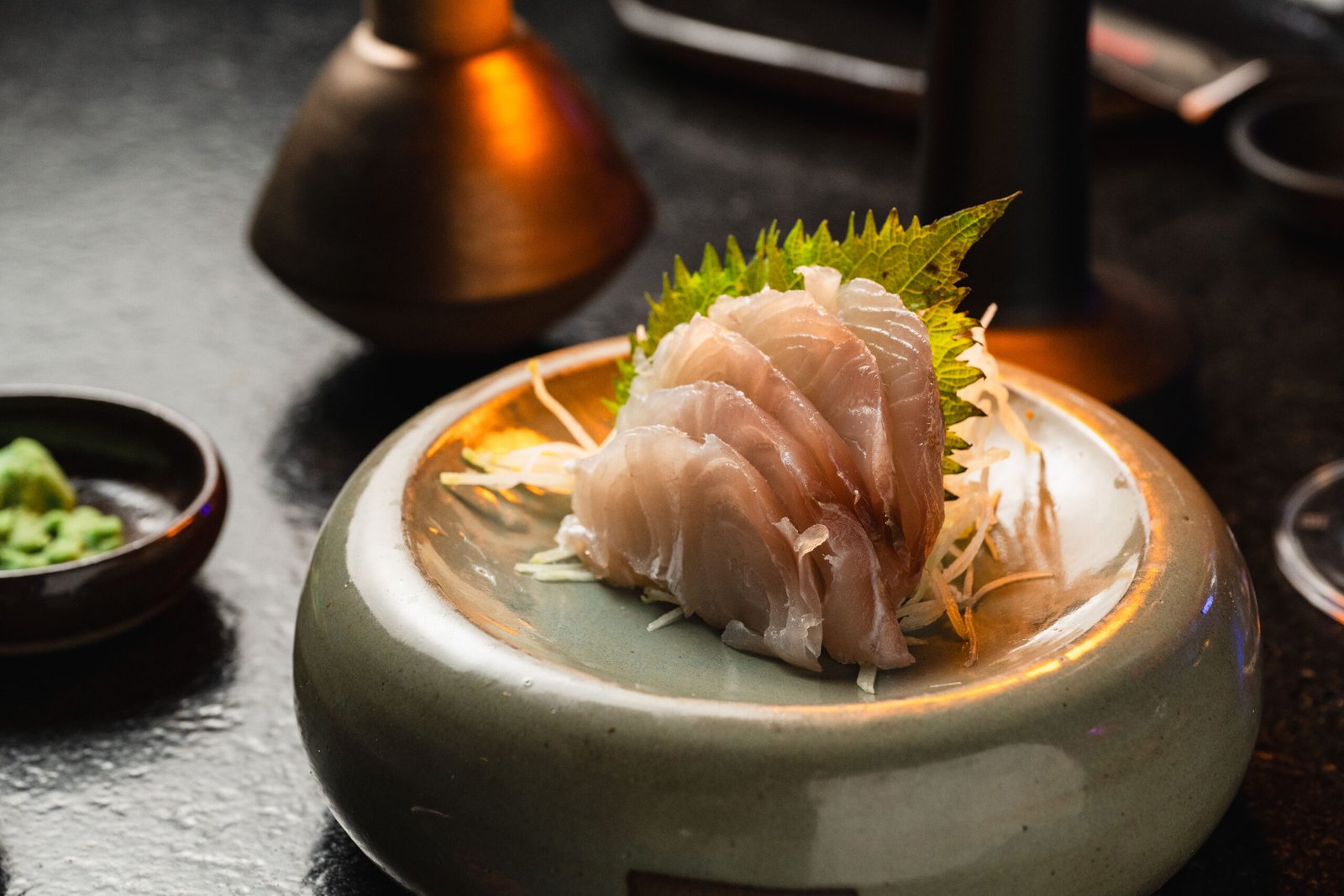
At Yokocho, I kept the points of light, amber tones and distant colours inside the composition. They do not compete with the food. They separate it from the background and make the location recognisable.
This balance also requires attention to colour temperature. Flash and interior lighting rarely share the same tone. Instead of neutralising every difference, I used that opposition as part of the story: the dish retains convincing colour while the room keeps its warm nighttime character.
The photographer’s question should not be “how do I correct all of the ambient light?” but “which part of this light tells the story I want to preserve?”
The Food Must Remain True
Desire should not mean deception.
My goal is not to turn a dish into something a guest will never receive. It is to find the best moment of real food: its most careful presentation, the light that reveals its texture and the viewpoint that organises its elements.
That visual honesty is strategic. Photography can raise perceived value, but it must sustain the restaurant’s promise. When image and experience move together, communication builds trust.
This is also why I like to include gestures. A hand serving, sauce falling or food held in the air does more than add movement; it reminds us that human work exists behind every plate.
For Photographers: Simplicity Is Not a Lack of Resources
Working with one artificial light imposes discipline.
Without several sources correcting every part of the scene, observation becomes essential. The light position decides almost everything: volume, reflection, contrast, texture and the direction of the viewer’s eye. Distance alters the transition between light and shadow. Angle changes the way fish reflects. The ambient exposure determines whether the restaurant participates in the photograph or disappears.
The process may feel slower at first, but it becomes more coherent across the shoot. Instead of building an entirely new setup for every plate, I establish a visual logic and make precise adjustments as the food changes.
The advantage is not only operational. It is authorial.
When every photograph shares the same quality of light, the complete body of work begins to speak with one voice.
When Technique Disappears, Experience Appears
In the end, restaurant guests do not need to know where the flash was placed. They need to want to be there.
A photographer may look at the same image and recognise the decisions: fall-off, preserved highlights, frozen movement, ambient colour and separation between planes.
This meeting point gives the Yokocho project its strength. For the restaurant, the photographs build desire and identity. For photographers, they show that depth does not come from the amount of equipment. It comes from the quality of the choices.
One artificial light was enough because it did not work alone. It worked with the room, colour, time and the most expressive quality of every dish.
The Image Arrives Before the Taste
Before booking a table, opening a menu or placing an order, a guest encounters an image.
That image can simply inform them what is on the plate. Or it can communicate care, atmosphere, identity and desire.
At Yokocho, I chose the second possibility.
I did not light the food merely to make it brighter. I lit it to make flavour visible.
If your restaurant needs a visual identity capable of turning real dishes into images that create desire, talk to me. Every project begins by understanding the space, the menu and the experience your brand wants to deliver.