Before the waiter announces the dish, before the first forkful, there is an image. It lives on the menu, on Instagram, on the booking site — and it is what makes the guest decide whether to want it or turn the page. In fine dining, photography doesn’t illustrate the experience: it anticipates it. In this shoot for Esfera Cozinha, that was exactly the challenge — to make every image spark hunger, desire and the urge to be there. Below, I share how this is built in practice, step by step.
Light builds the appetite
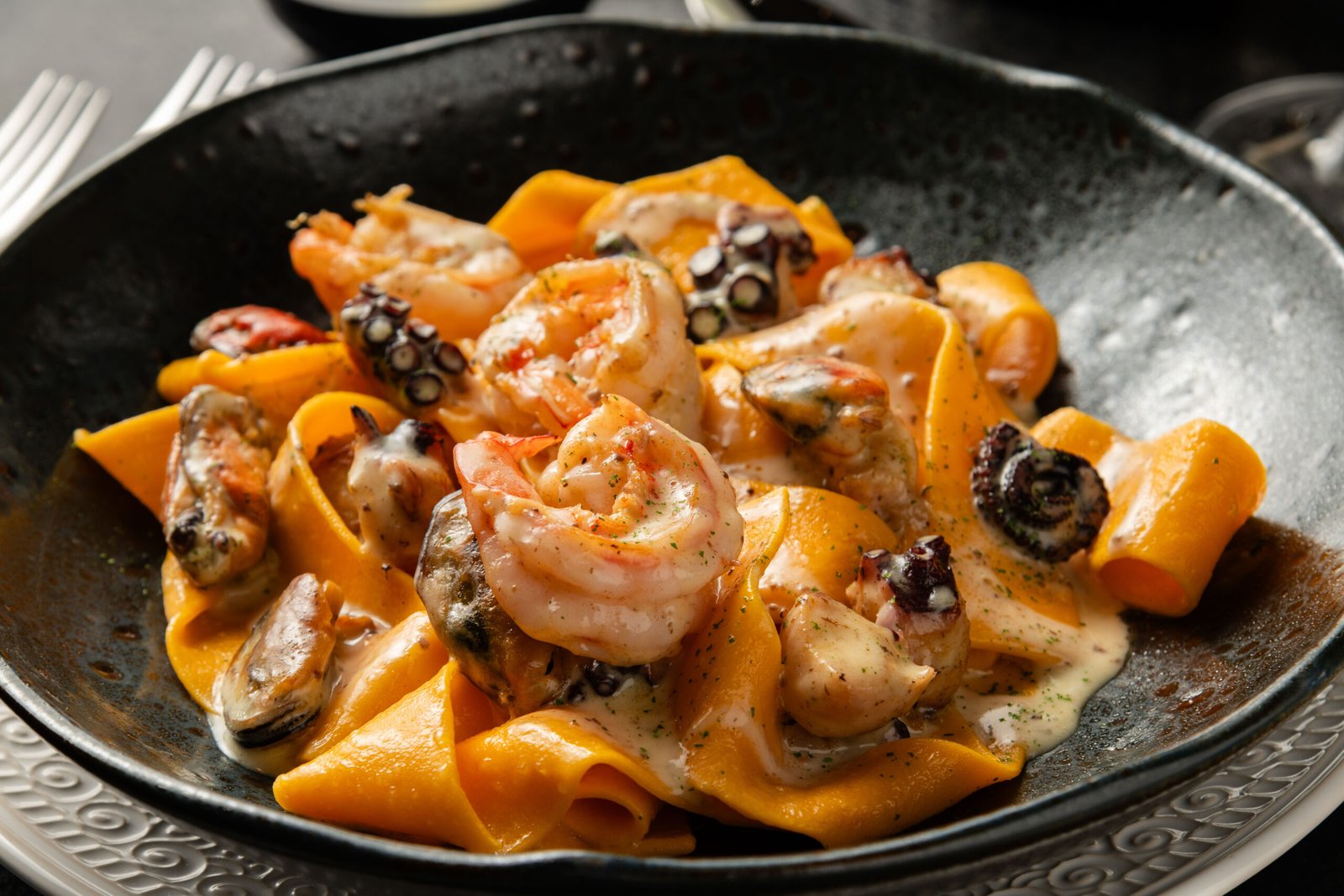
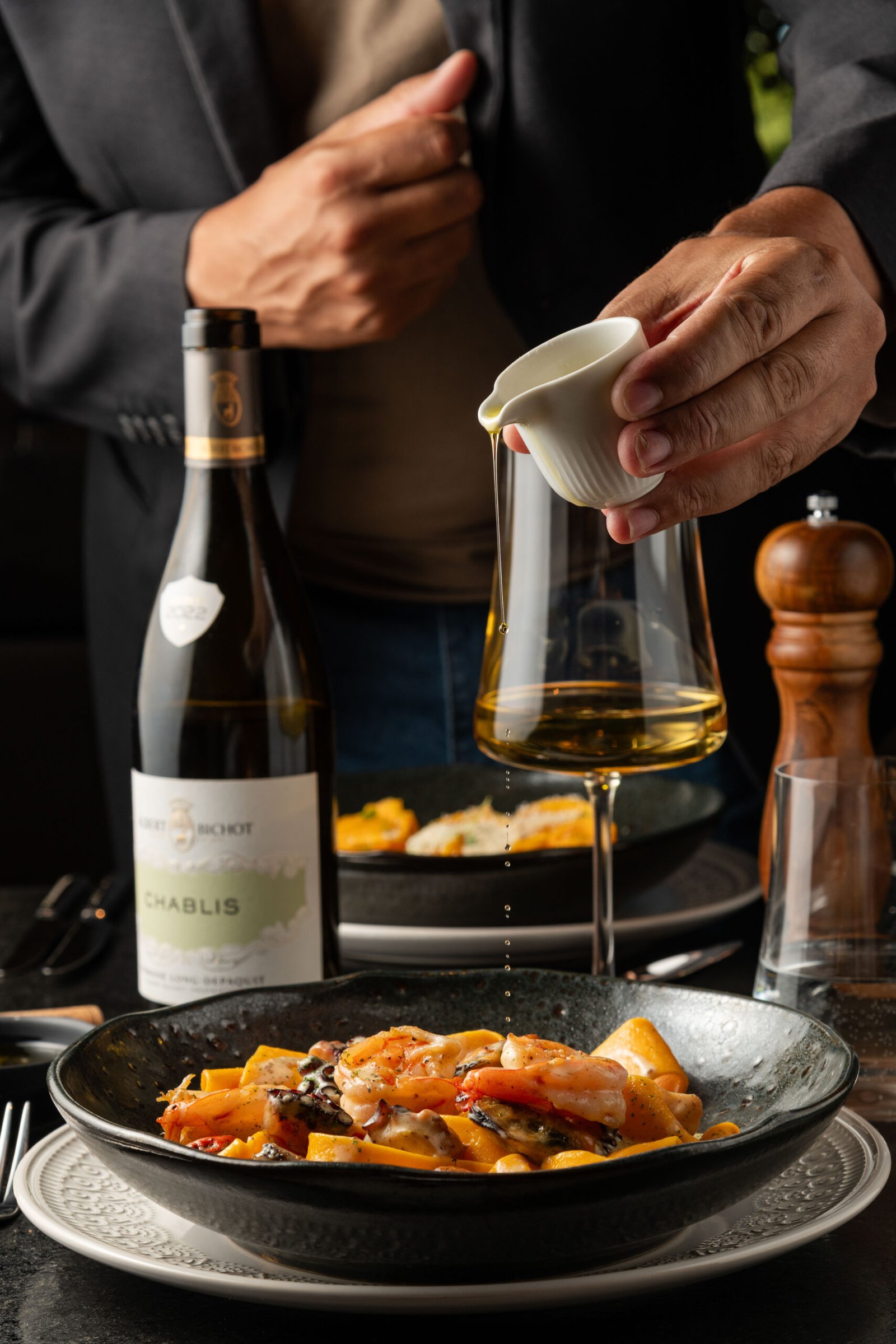
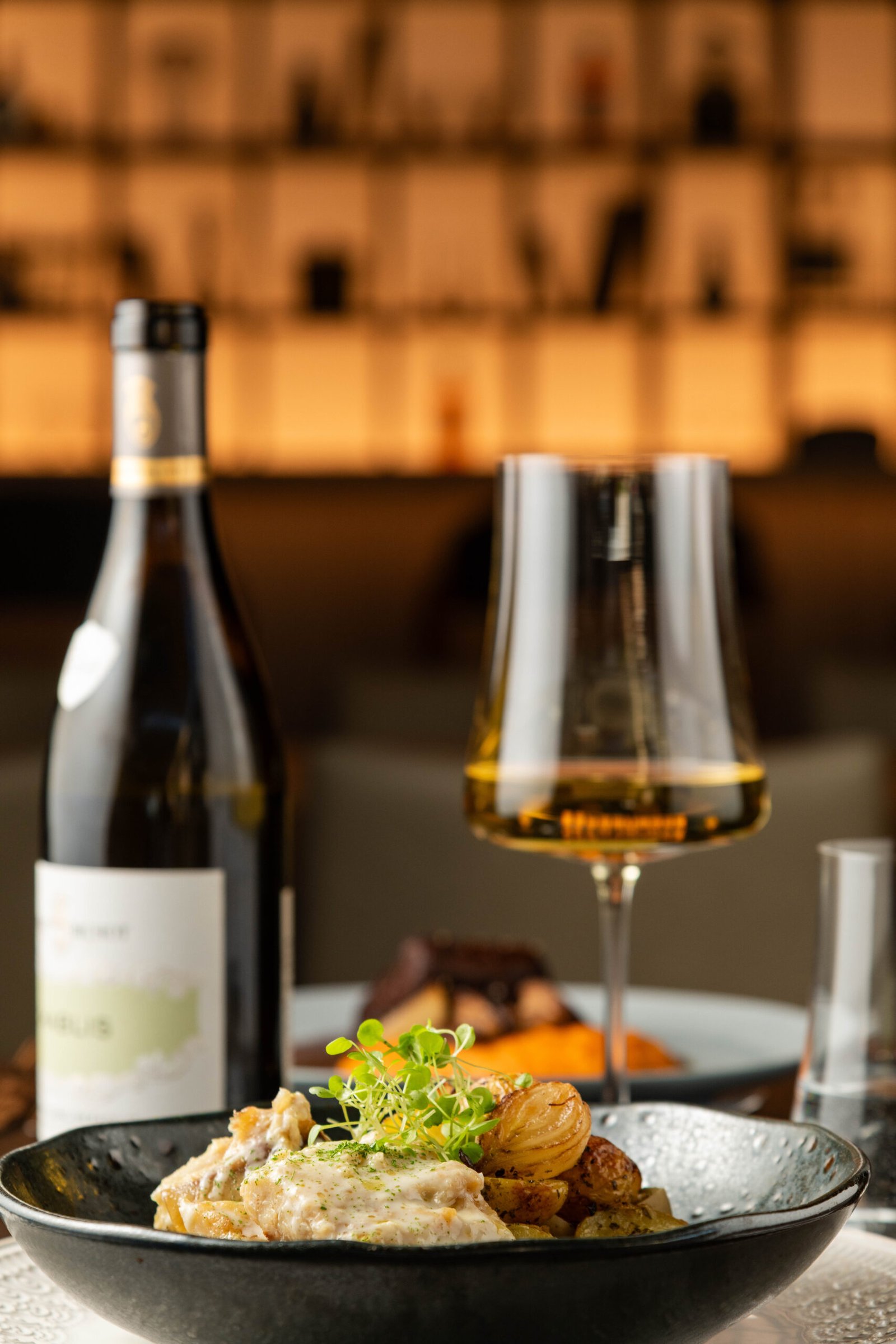
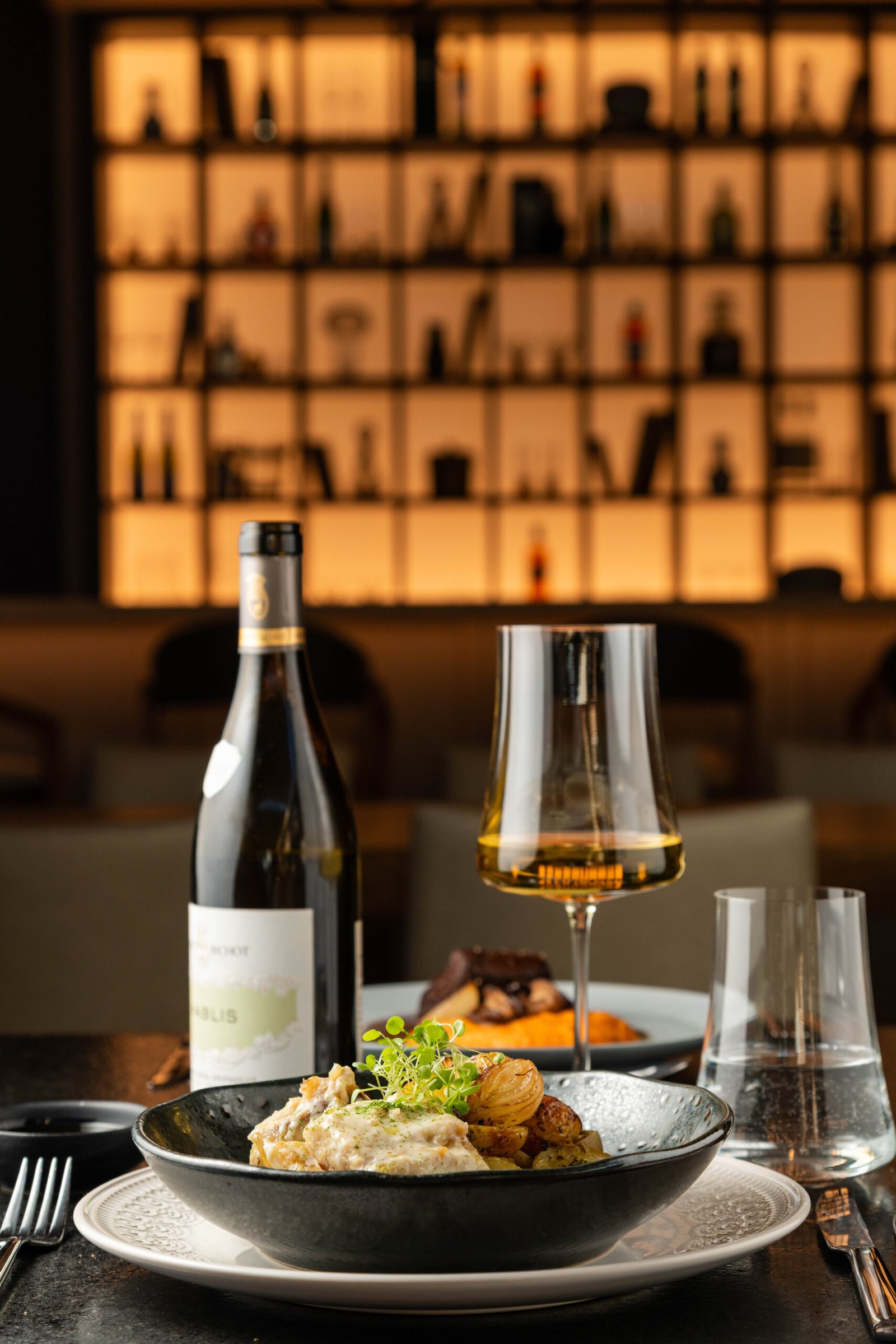
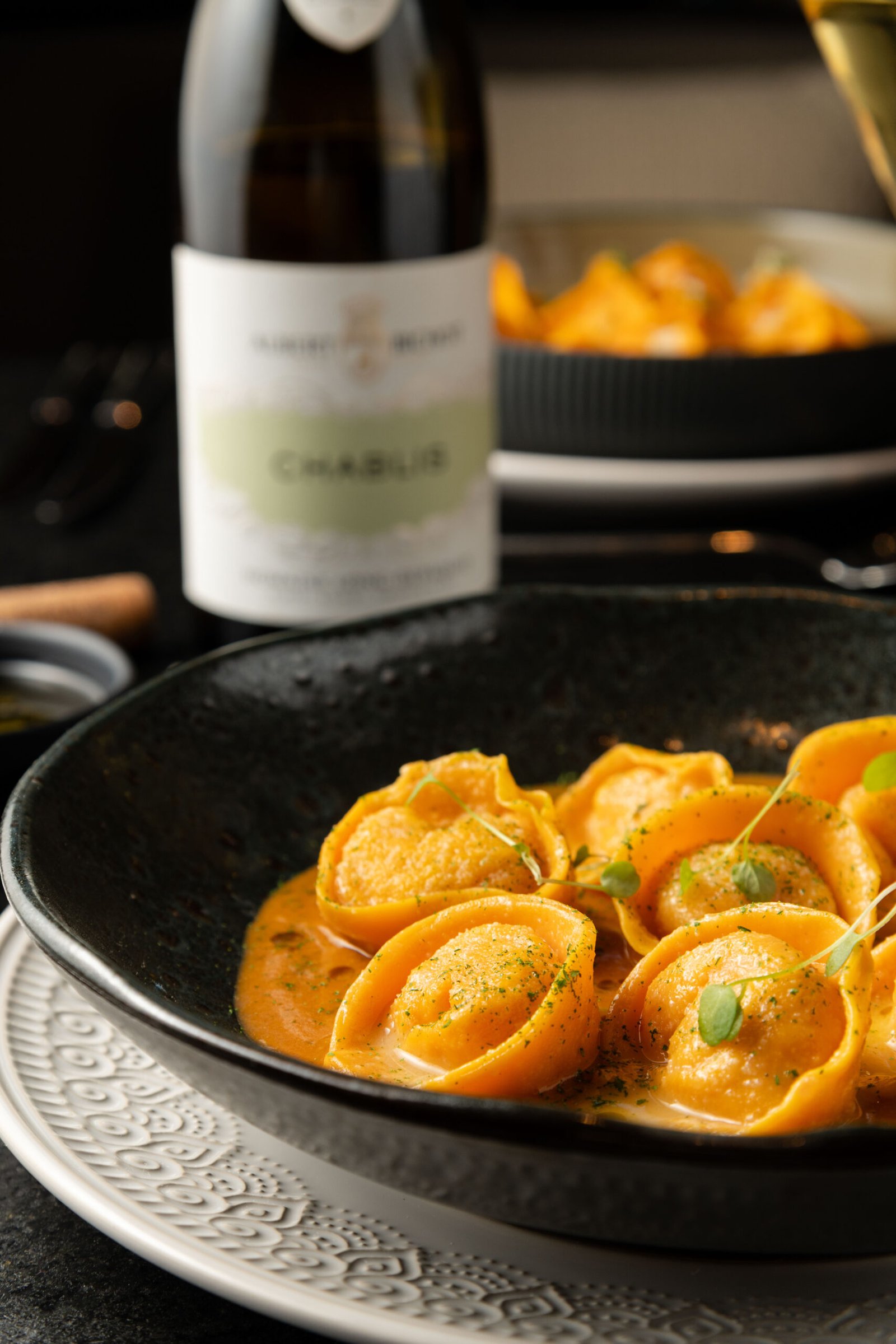
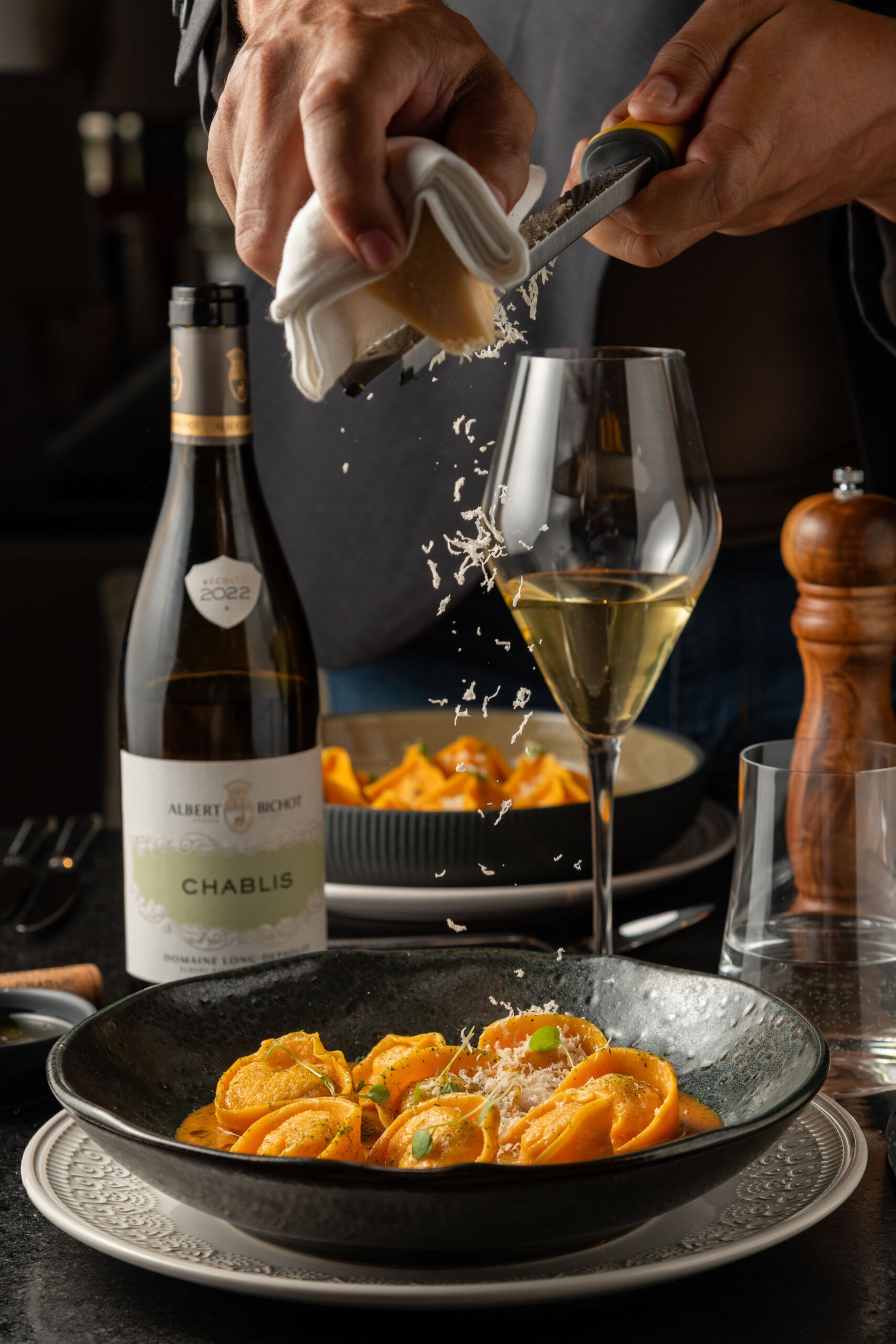
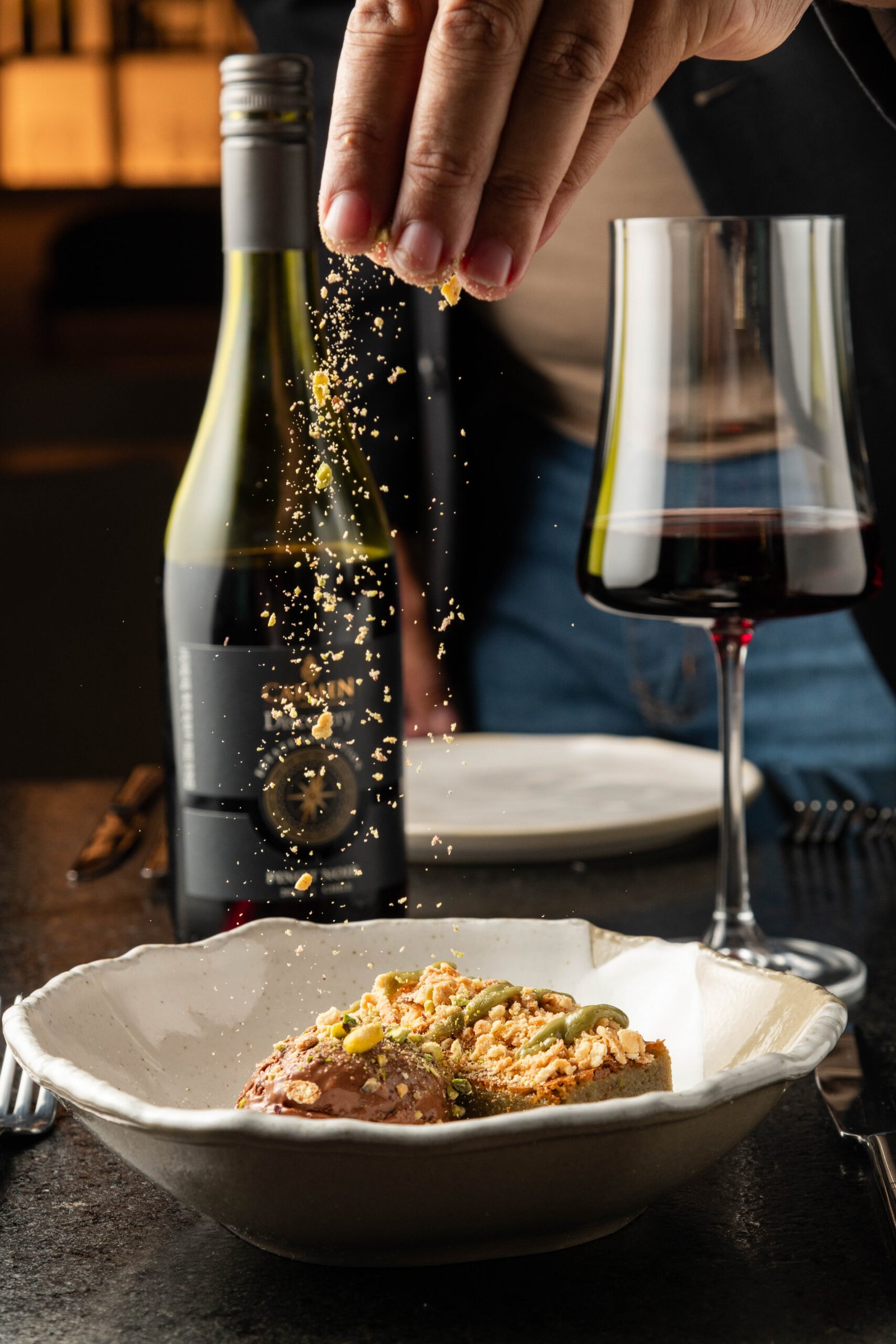
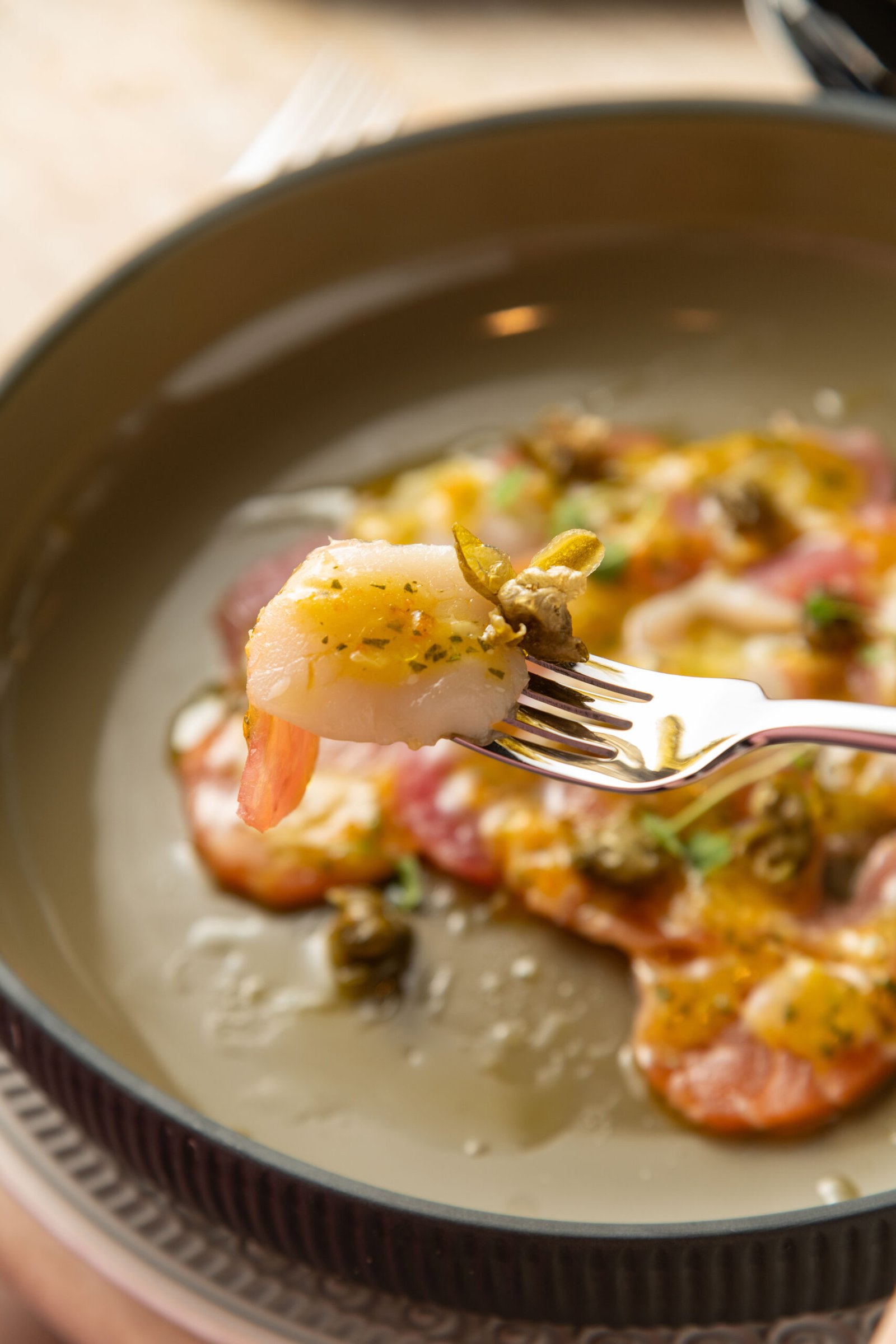
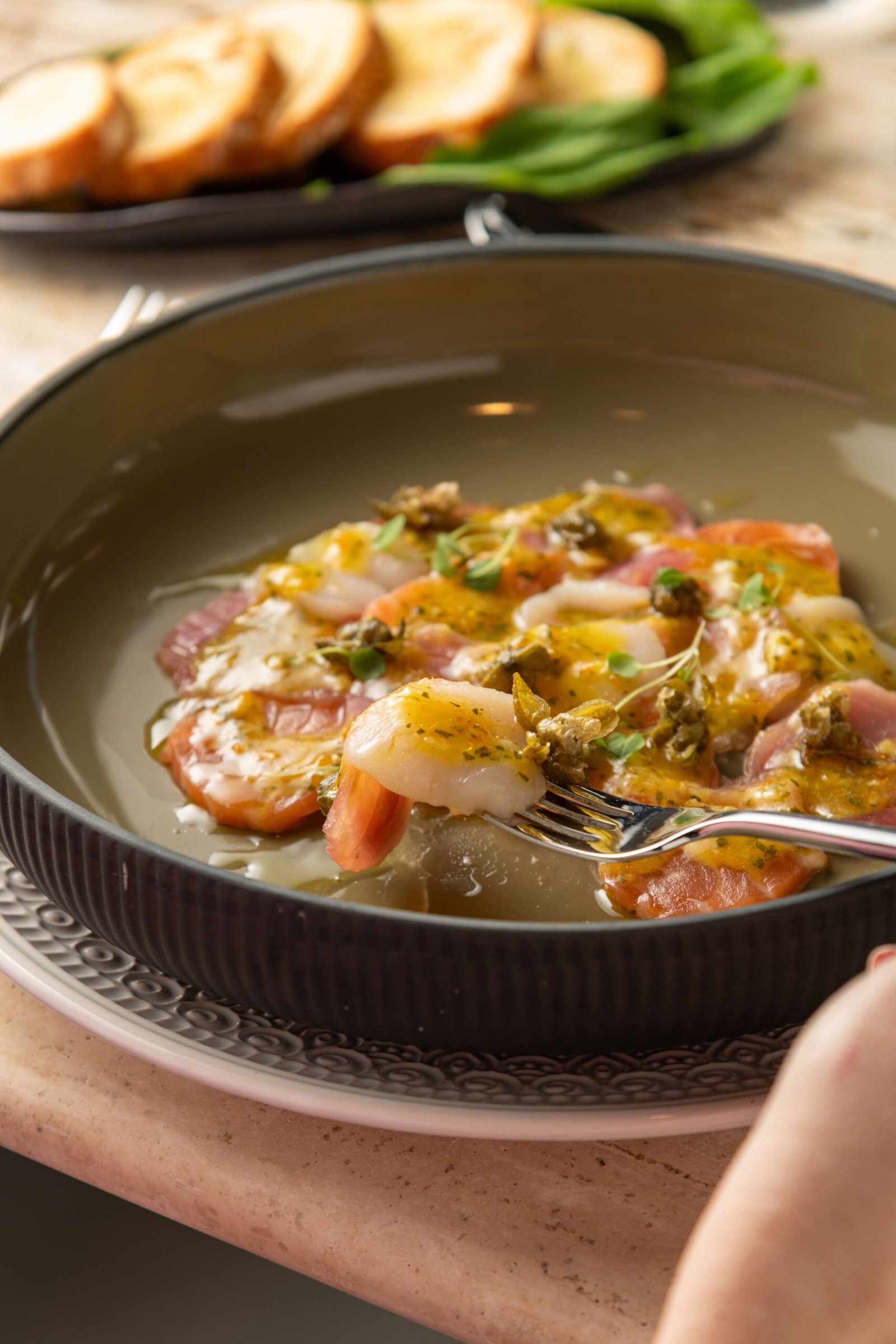
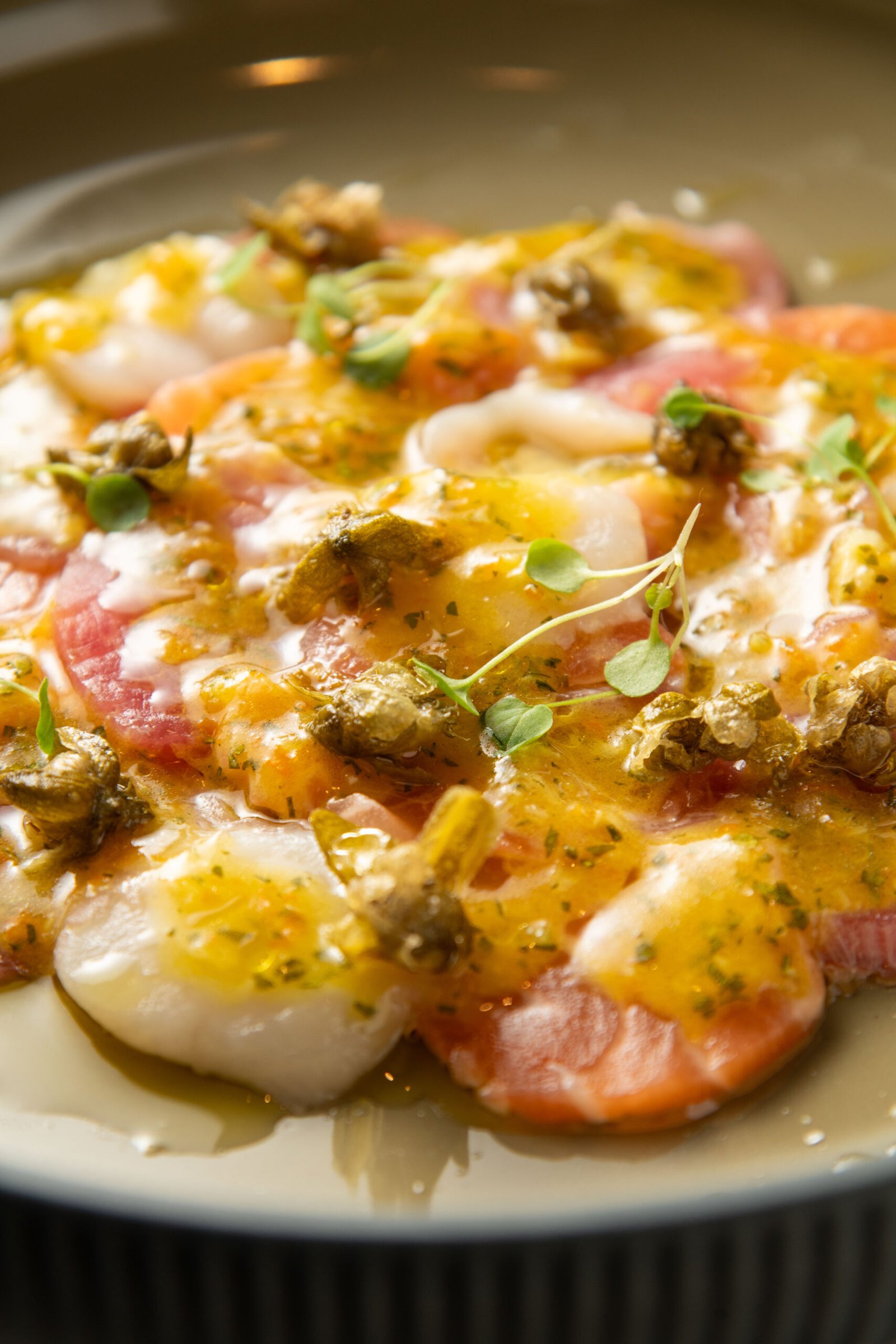
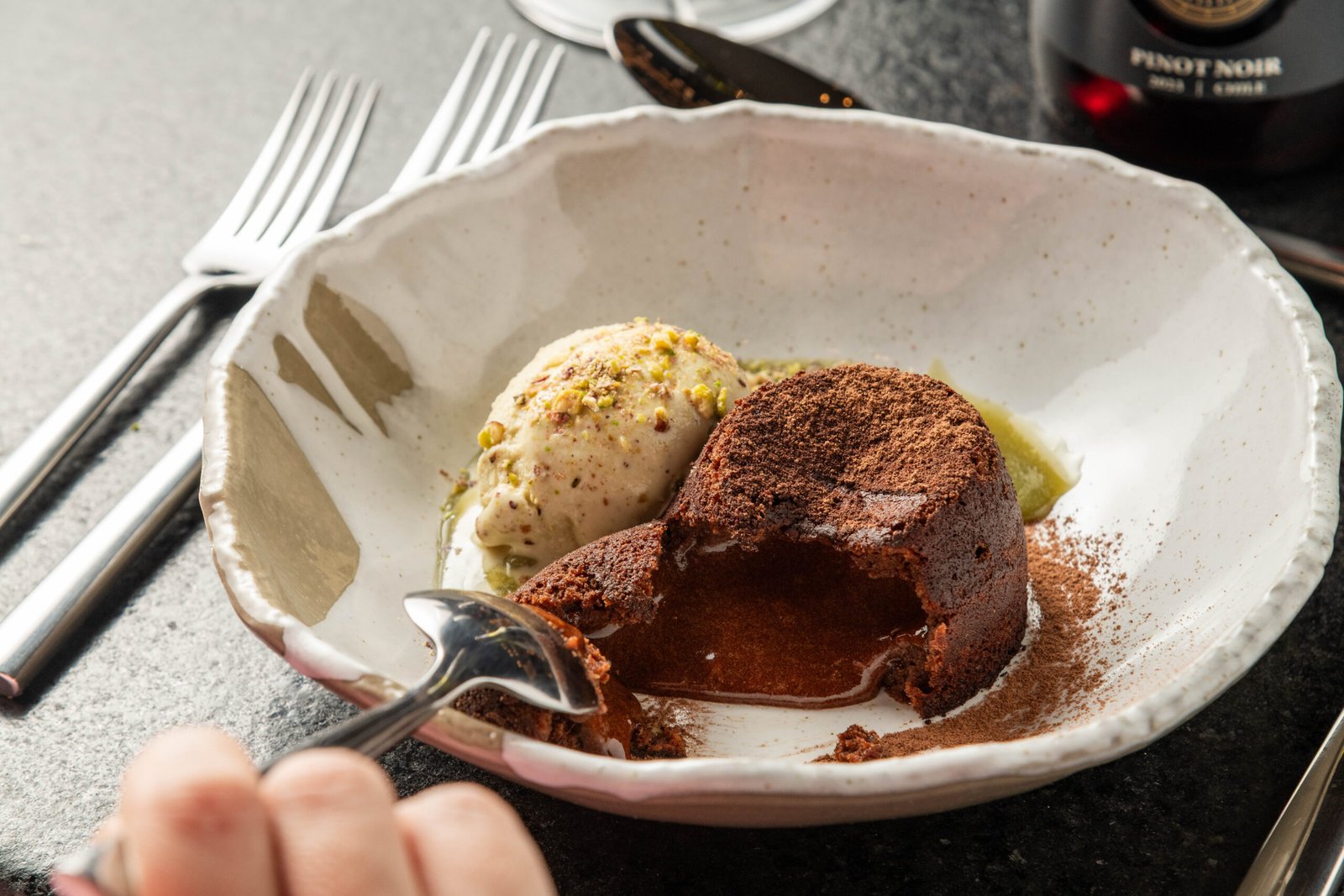
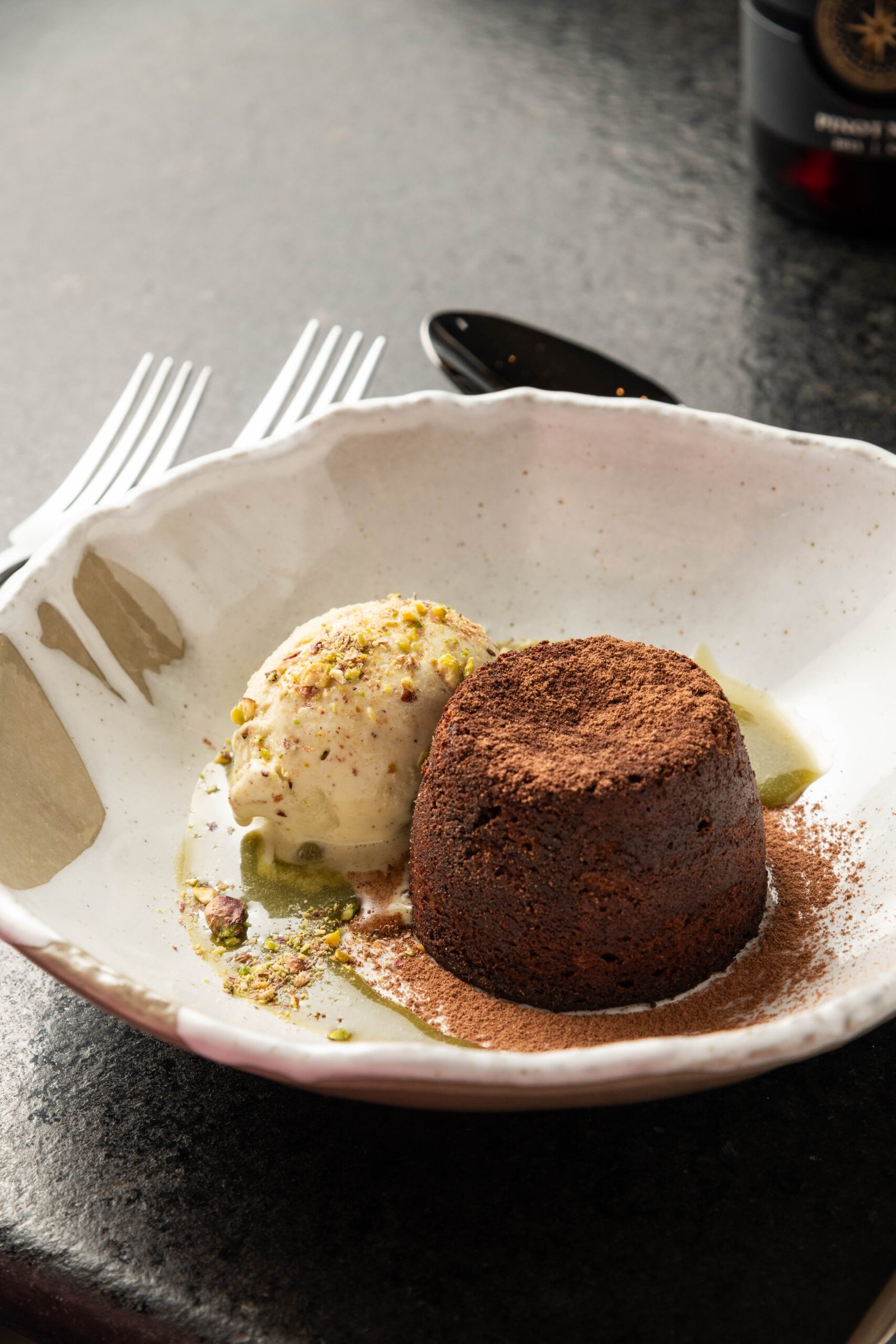
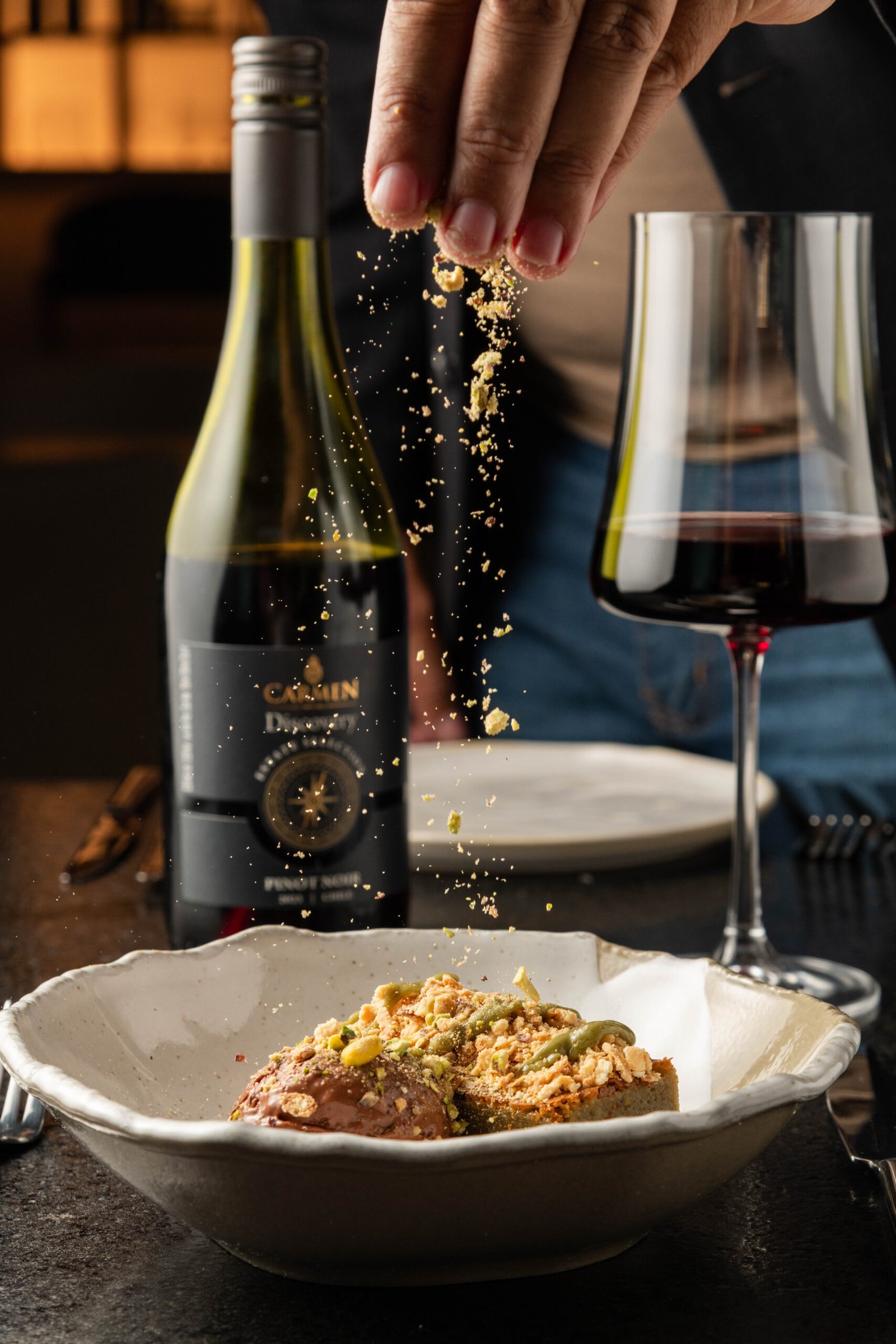
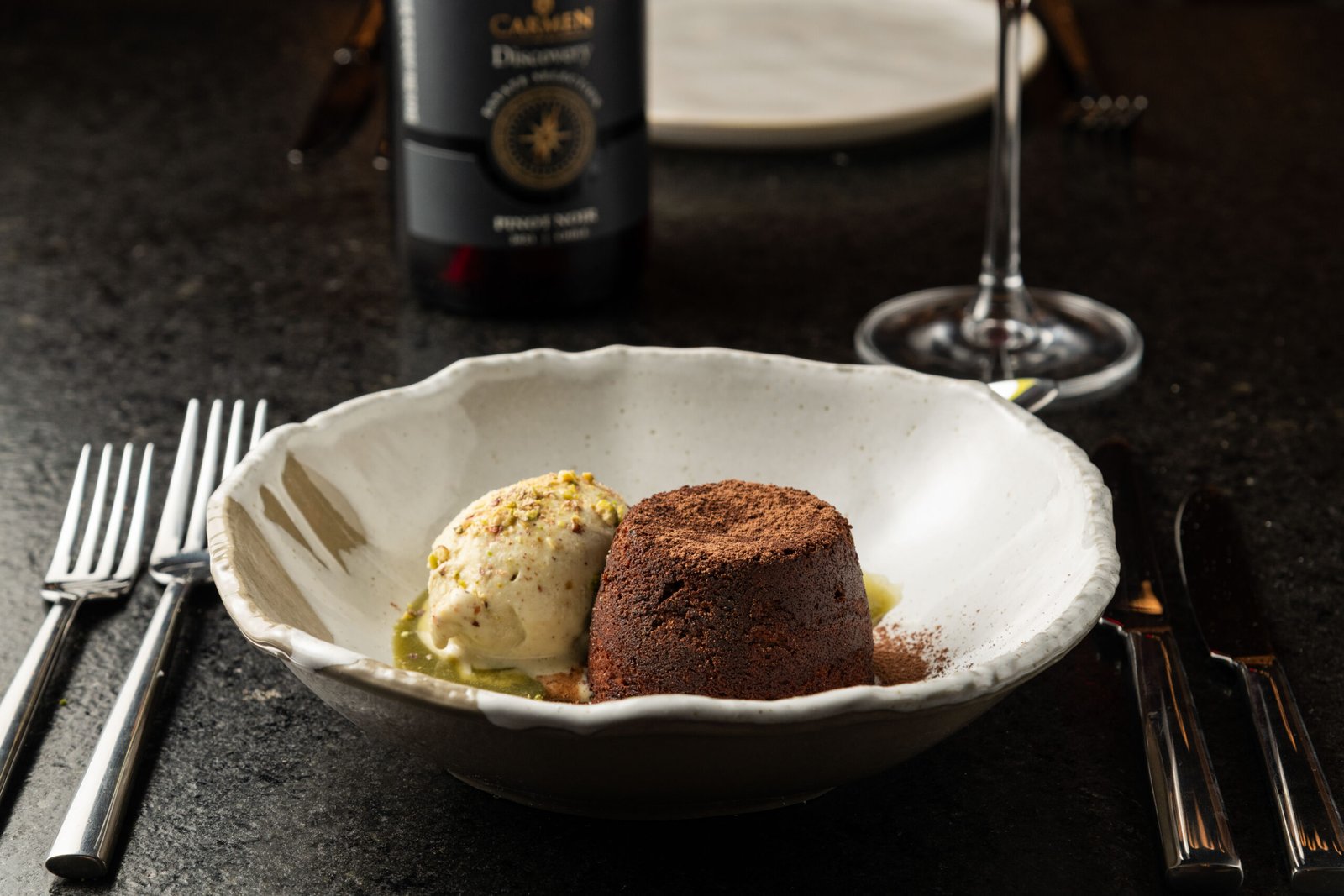
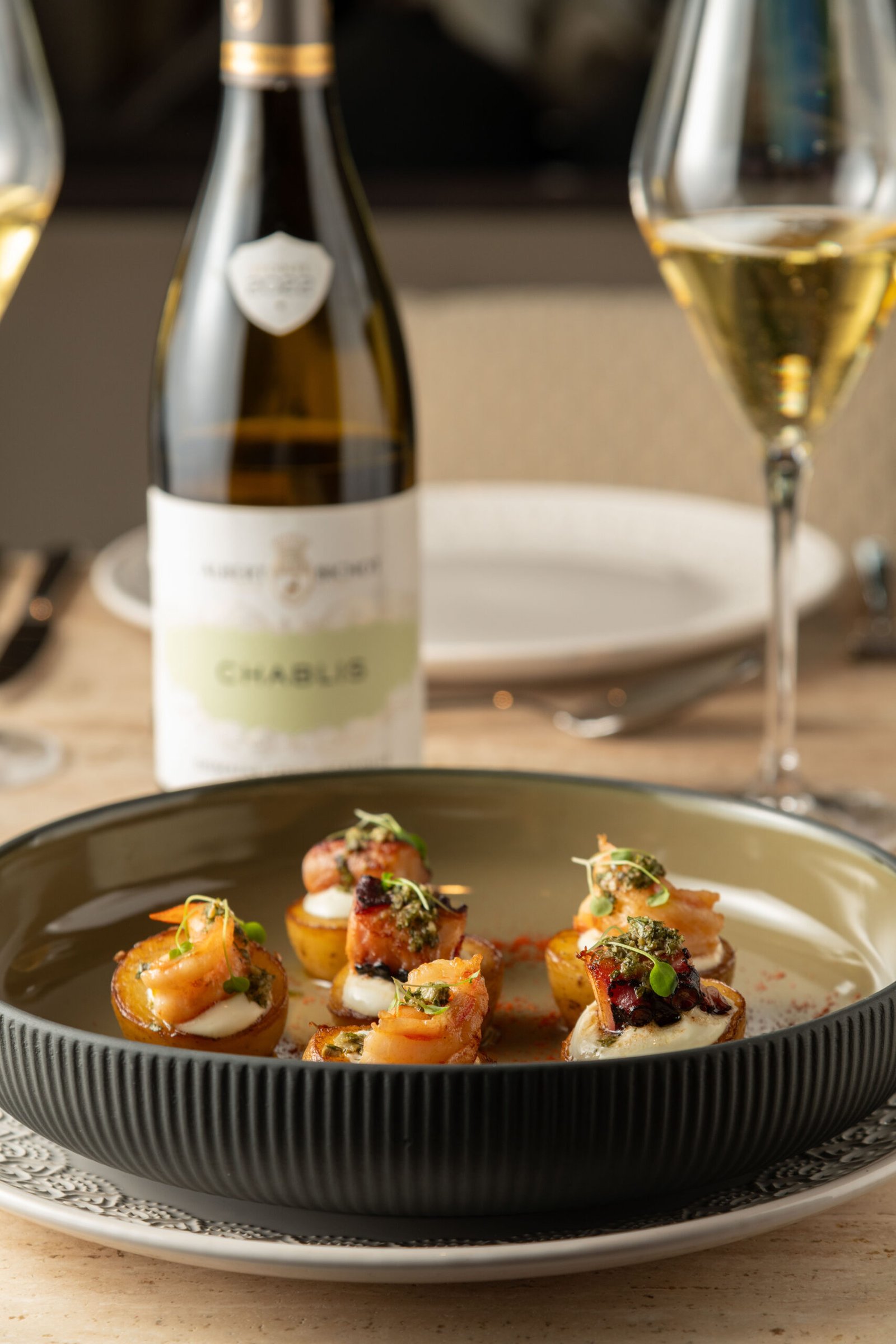
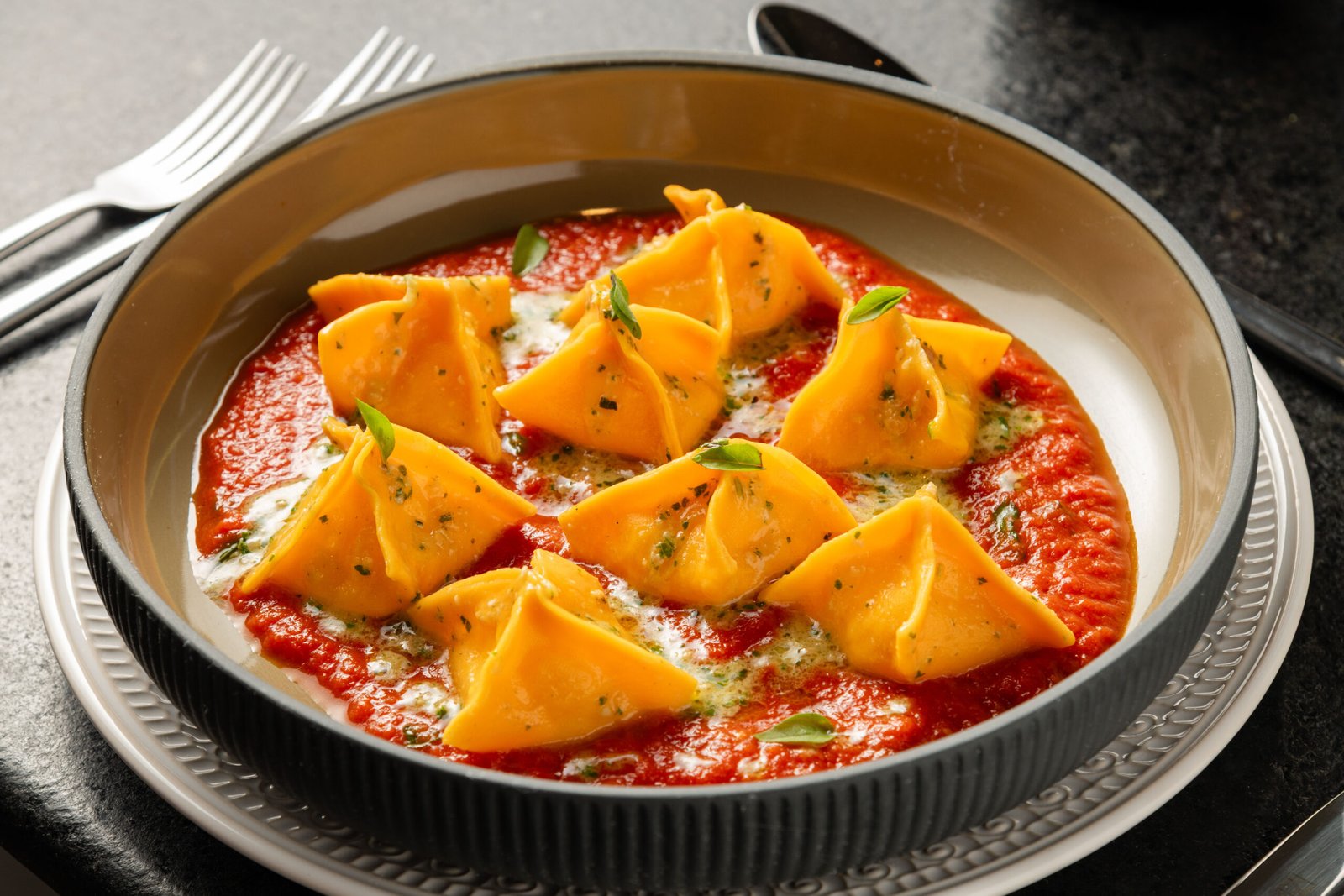
Almost everything in food photography begins with light. Instead of flat, even lighting, I chose a dramatic, directional light that comes from the side and sculpts the relief of the food. It is what reveals the crisp shell of the chocolate, the moist sheen of the sauce and the softness of the ice cream. Shadows are not a problem to avoid: they are what give depth and create that intimate, late-night restaurant mood, with warm points of light in the background. The right light doesn’t show the dish — it makes it look warm, fresh and impossible to refuse.
The moment: food alive, not still
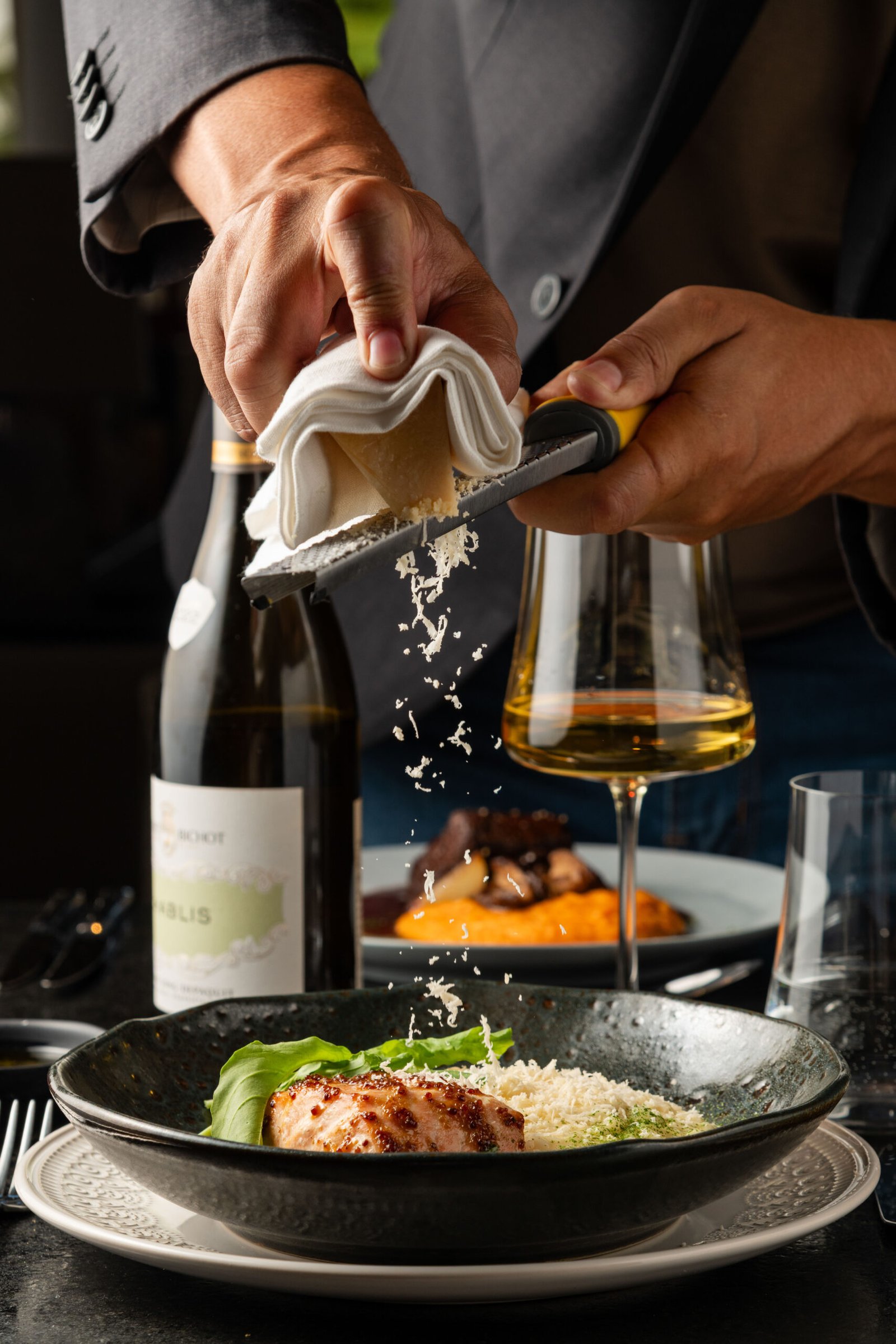
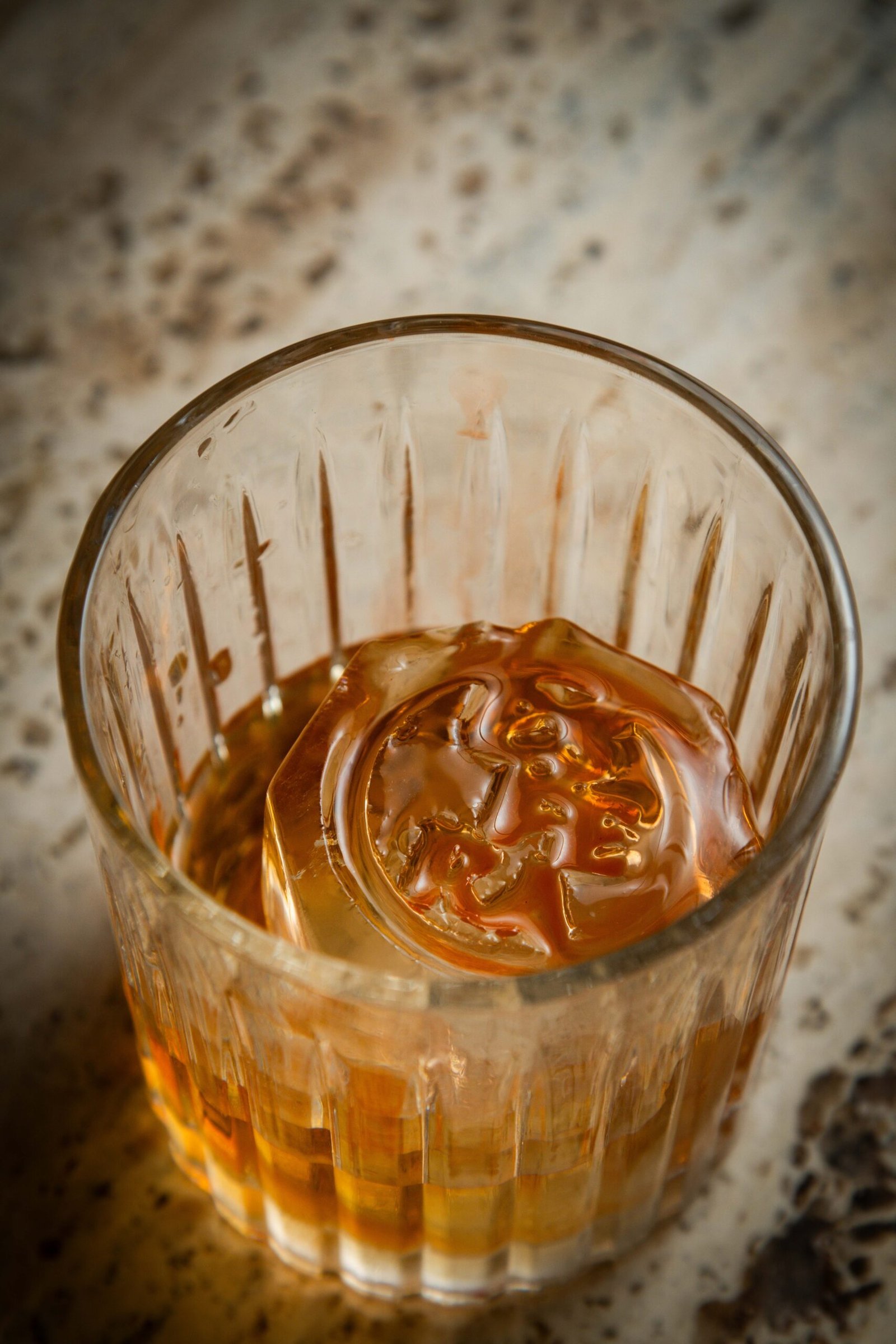
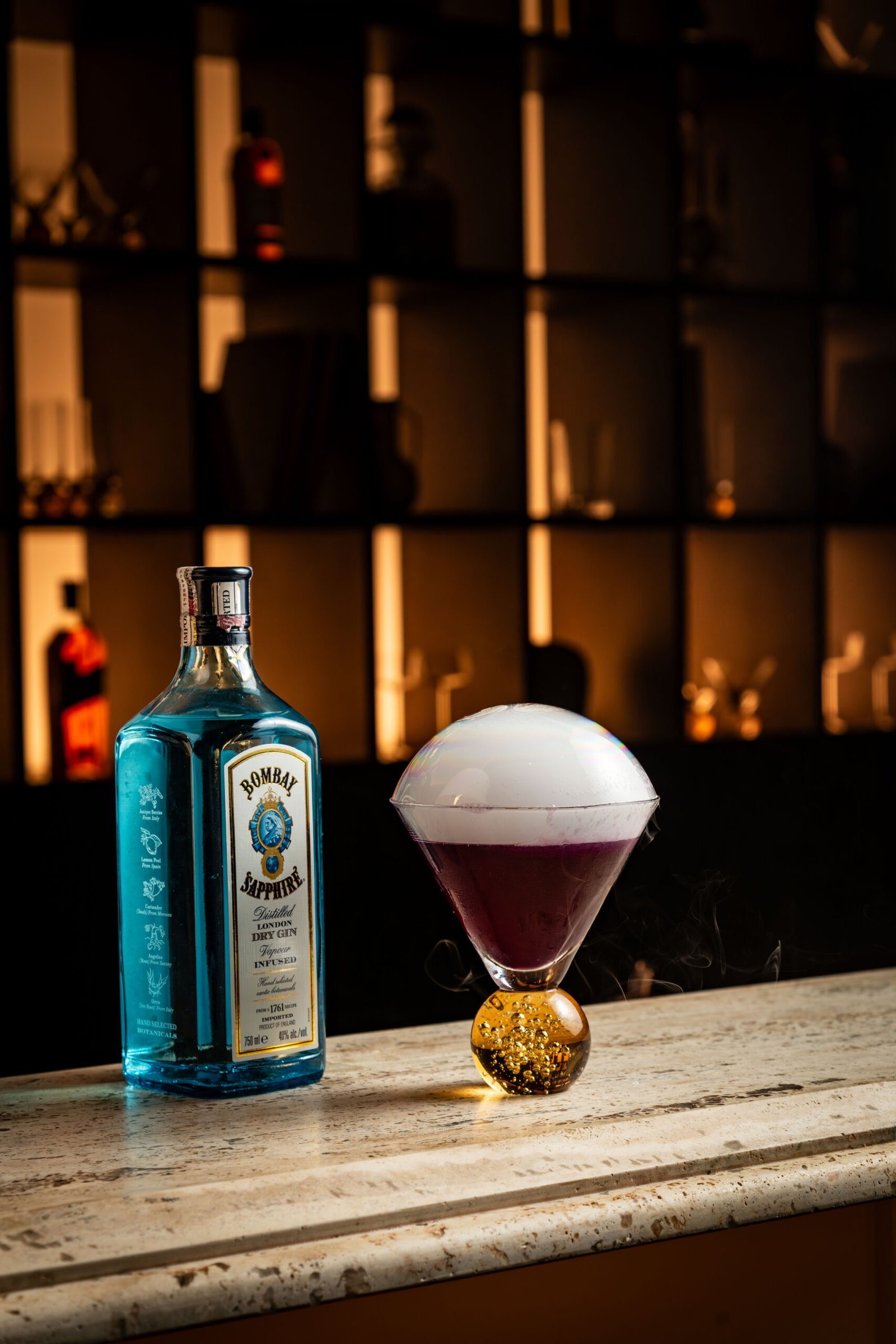
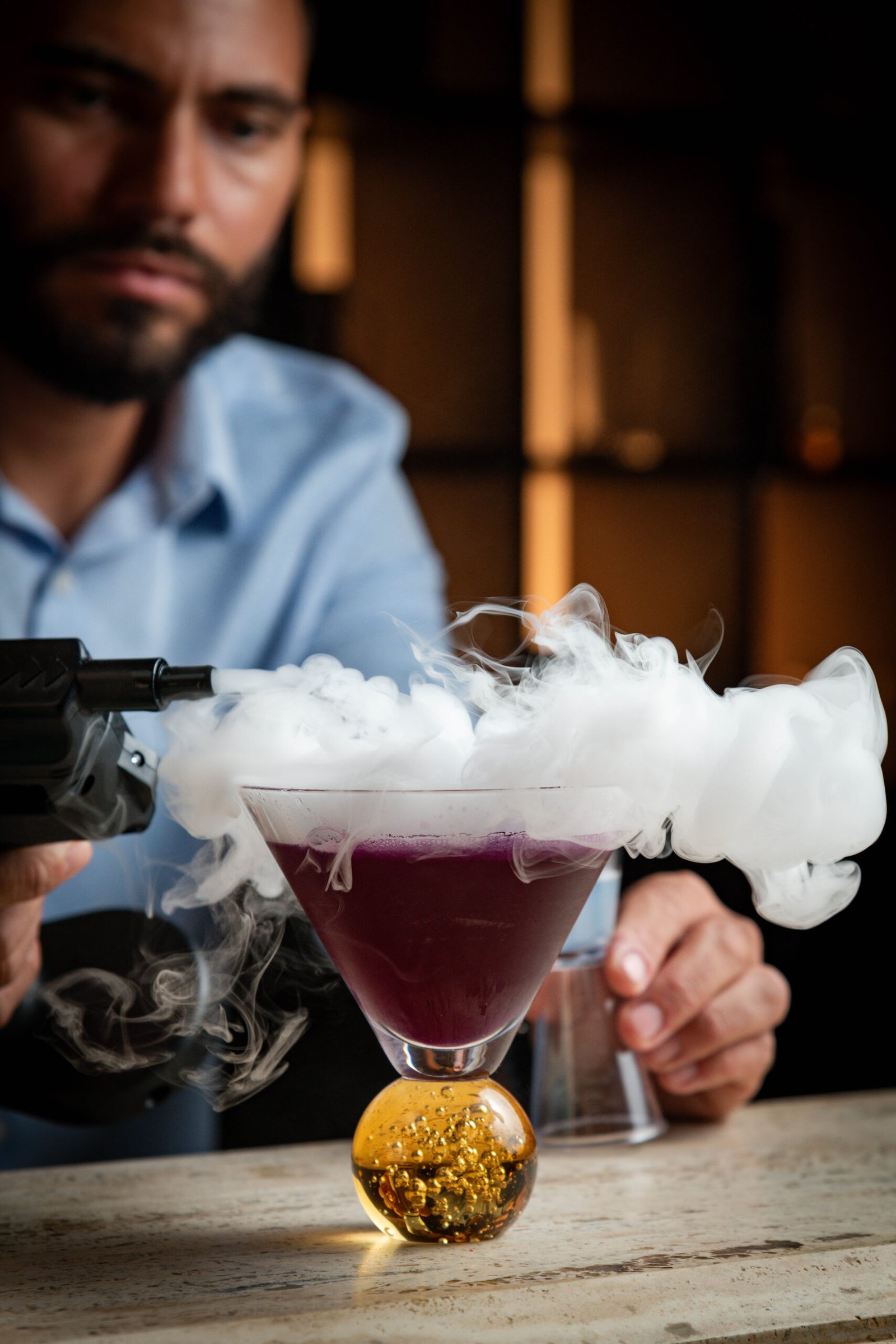
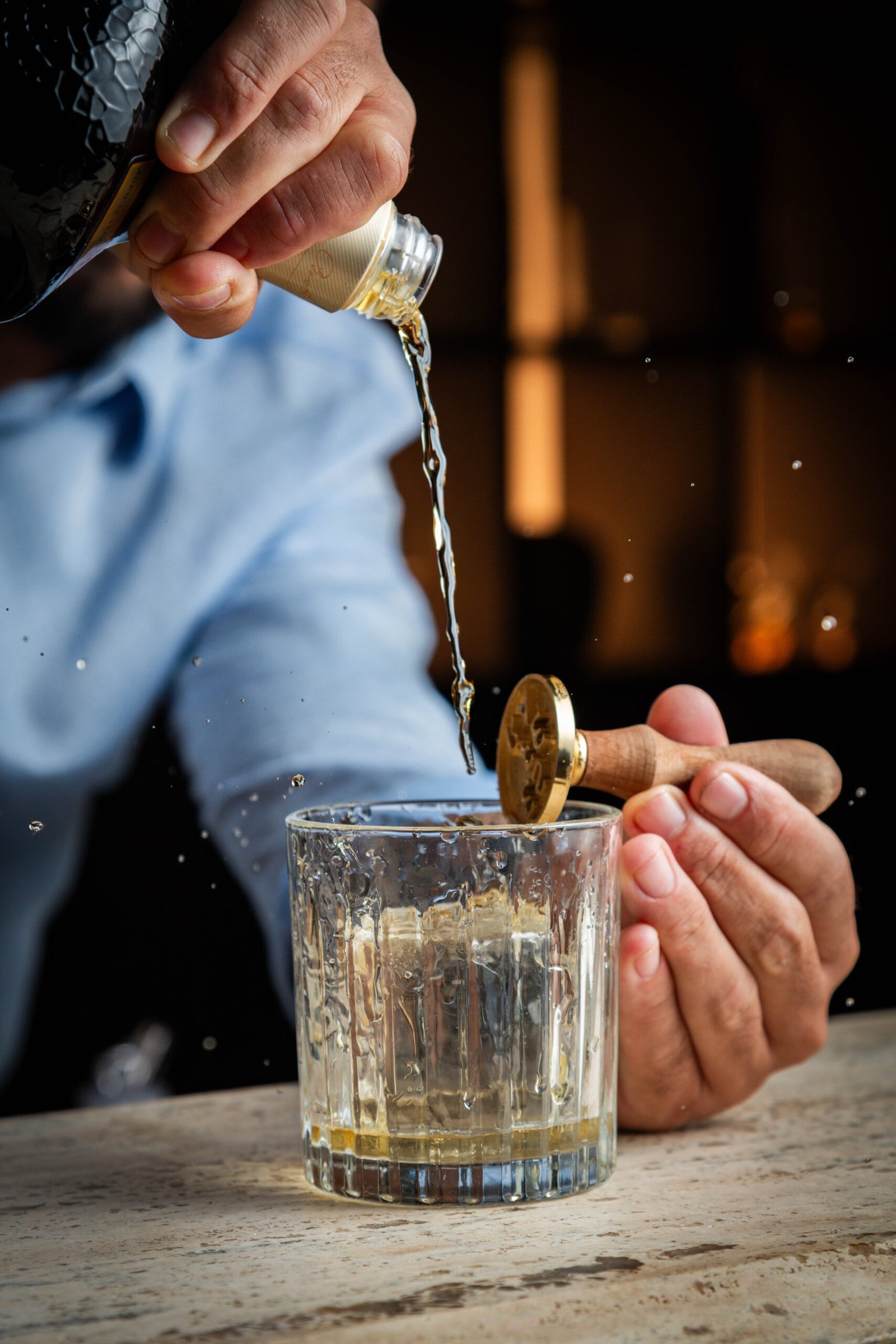
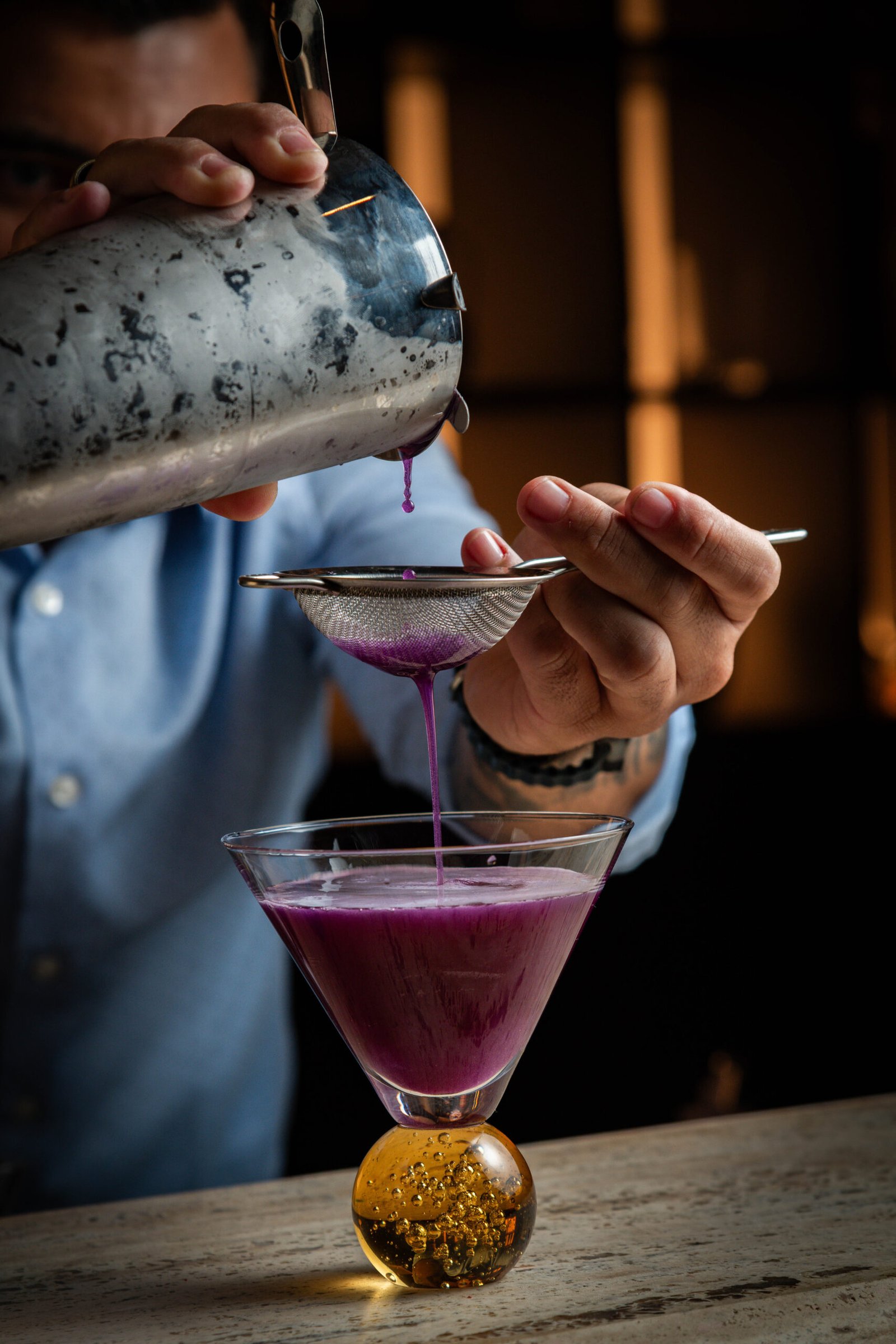
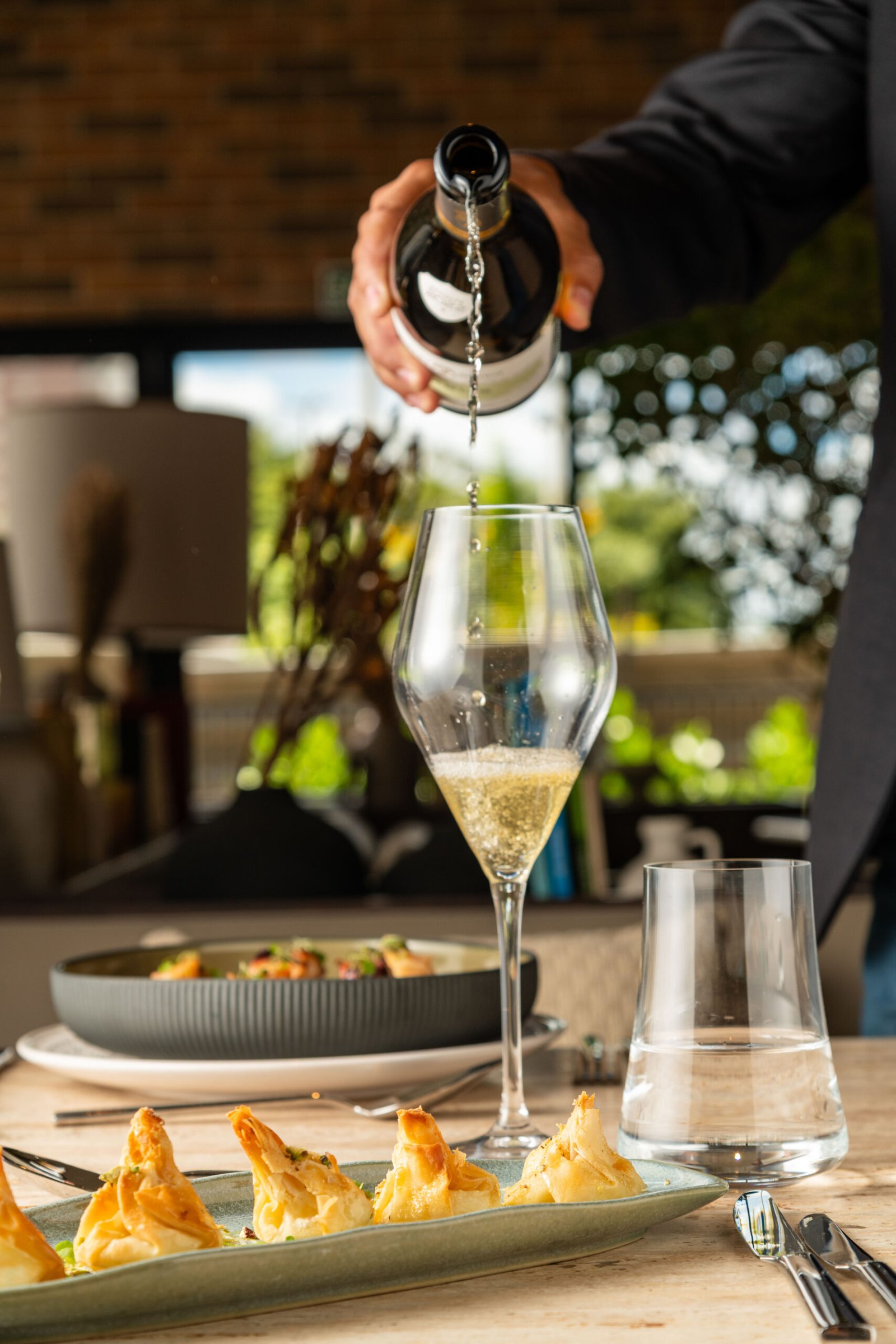
Still food is architecture; food in motion is desire. Much of the strength of this shoot lies in capturing the exact instant. In the cocktail sequence, I photographed the drink at the moment it is strained — the violet liquid pouring in a thin stream over the glass, the bartender’s steady hands, the focus of the gesture. It is a fraction of a second that demands anticipation and timing. The result conveys freshness and authenticity: the guest doesn’t see a finished glass, they see the ritual happening before them.
The “money shot”: the moment that creates desire
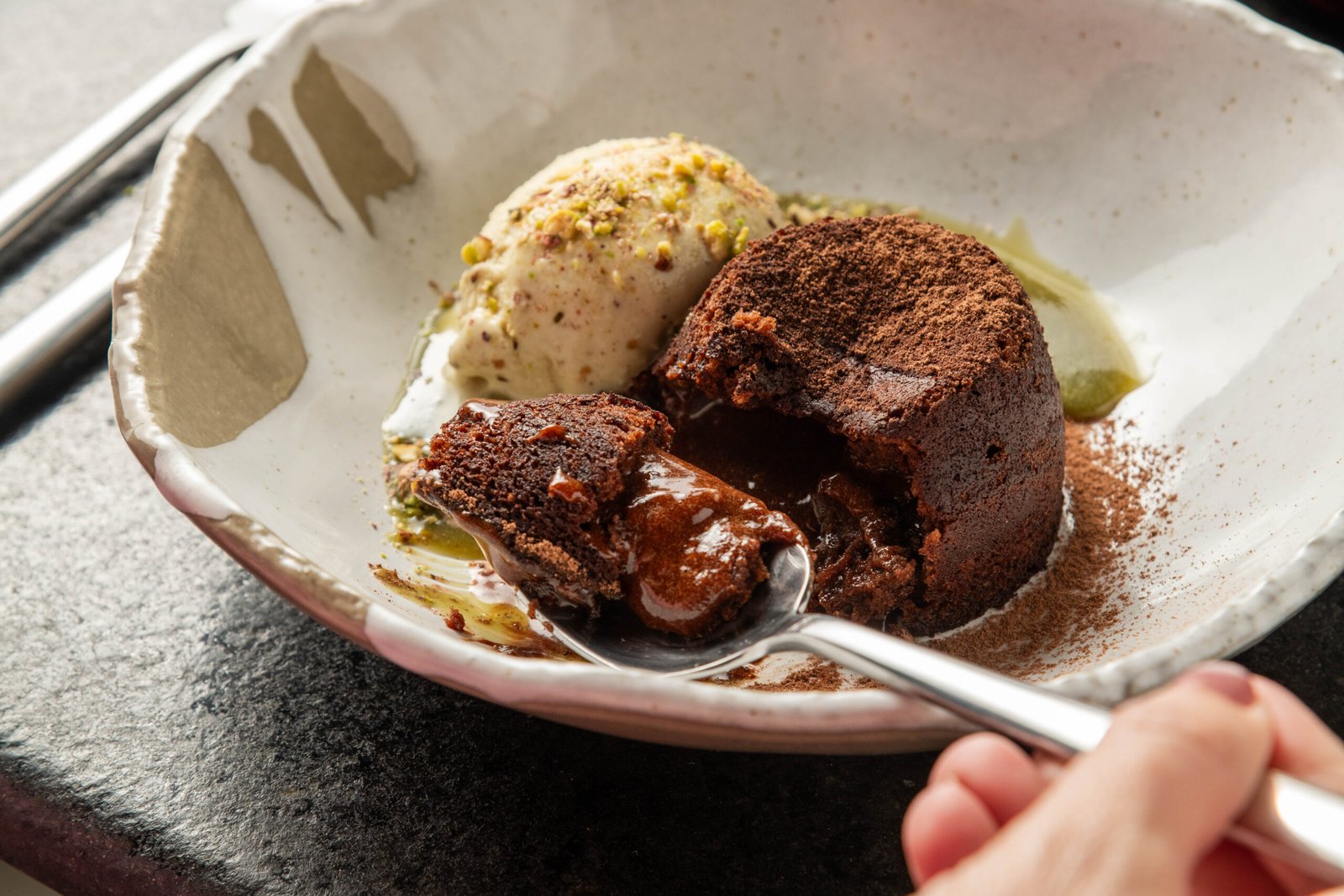
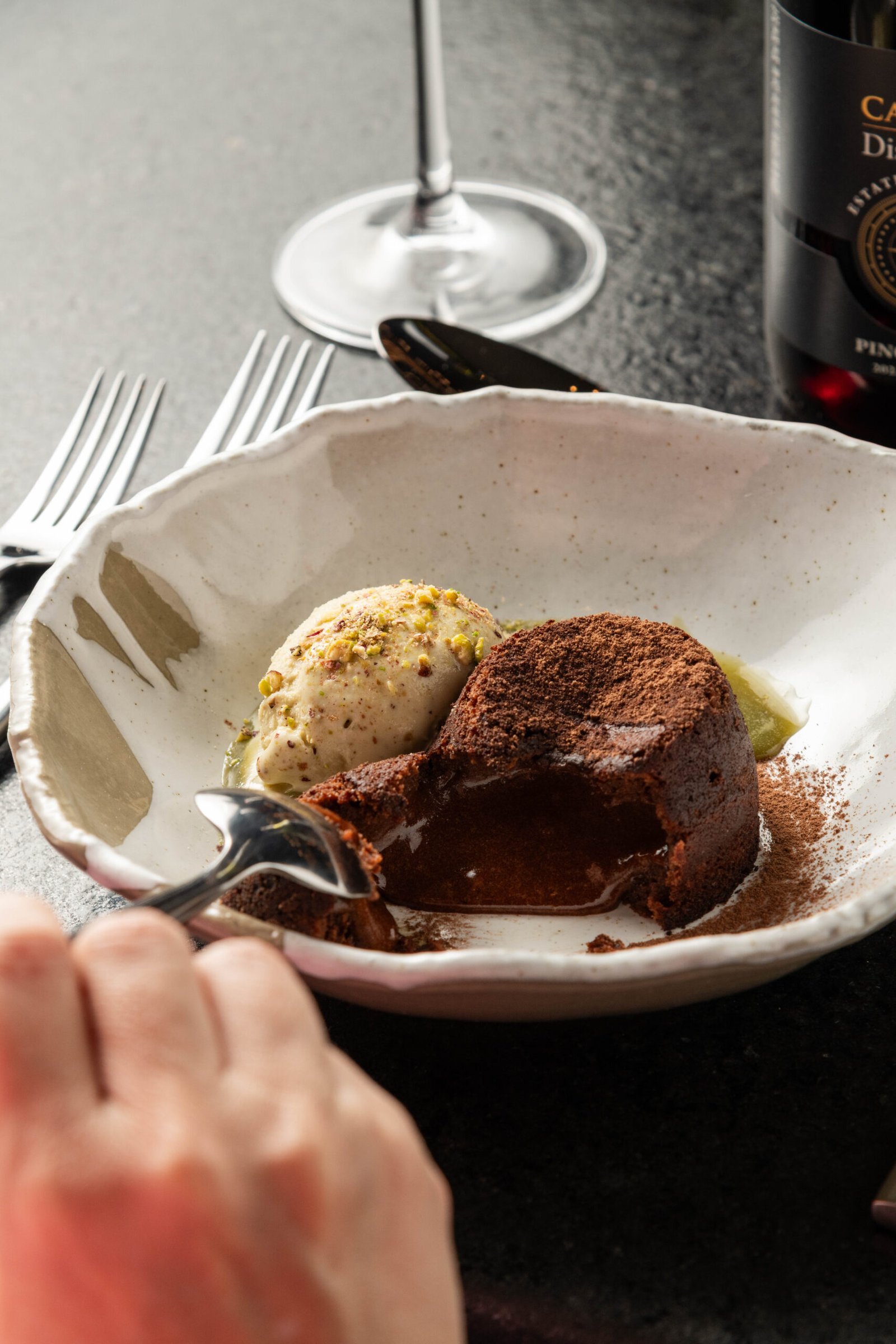
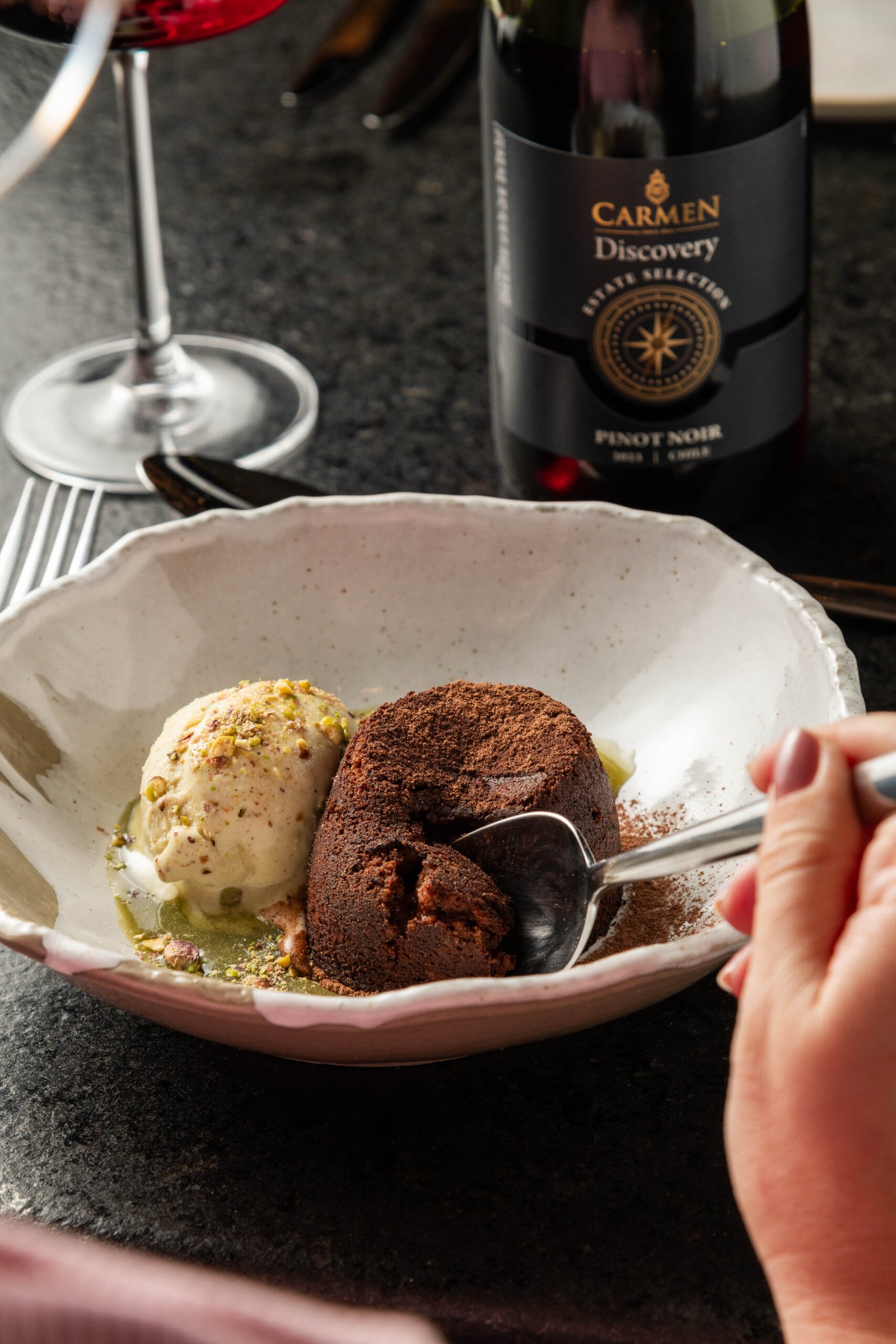
Every dish has a golden instant — and the photographer’s job is to hunt it down. In Esfera Cozinha’s dessert, that moment is the cut: the spoon breaks the petit gâteau open and the chocolate centre flows out, slow and glossy. This is the image that stops the thumb of anyone scrolling the feed. It has to be photographed at exactly the right time, with the filling at the ideal temperature, because it lasts only a few seconds. It is the photo that sells the whole dessert — and, often, the visit to the restaurant.
Composition and setting: everything tells the same story
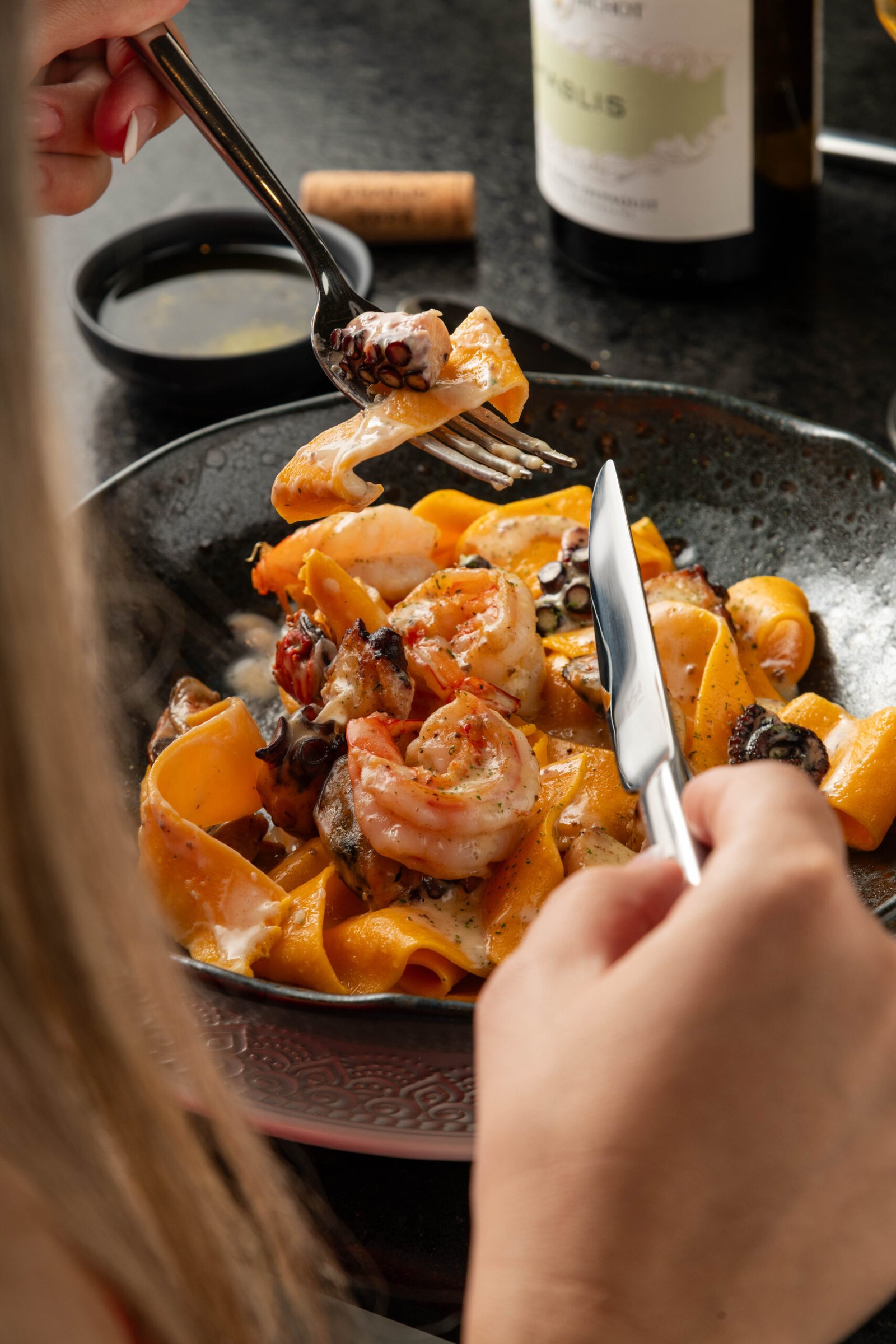
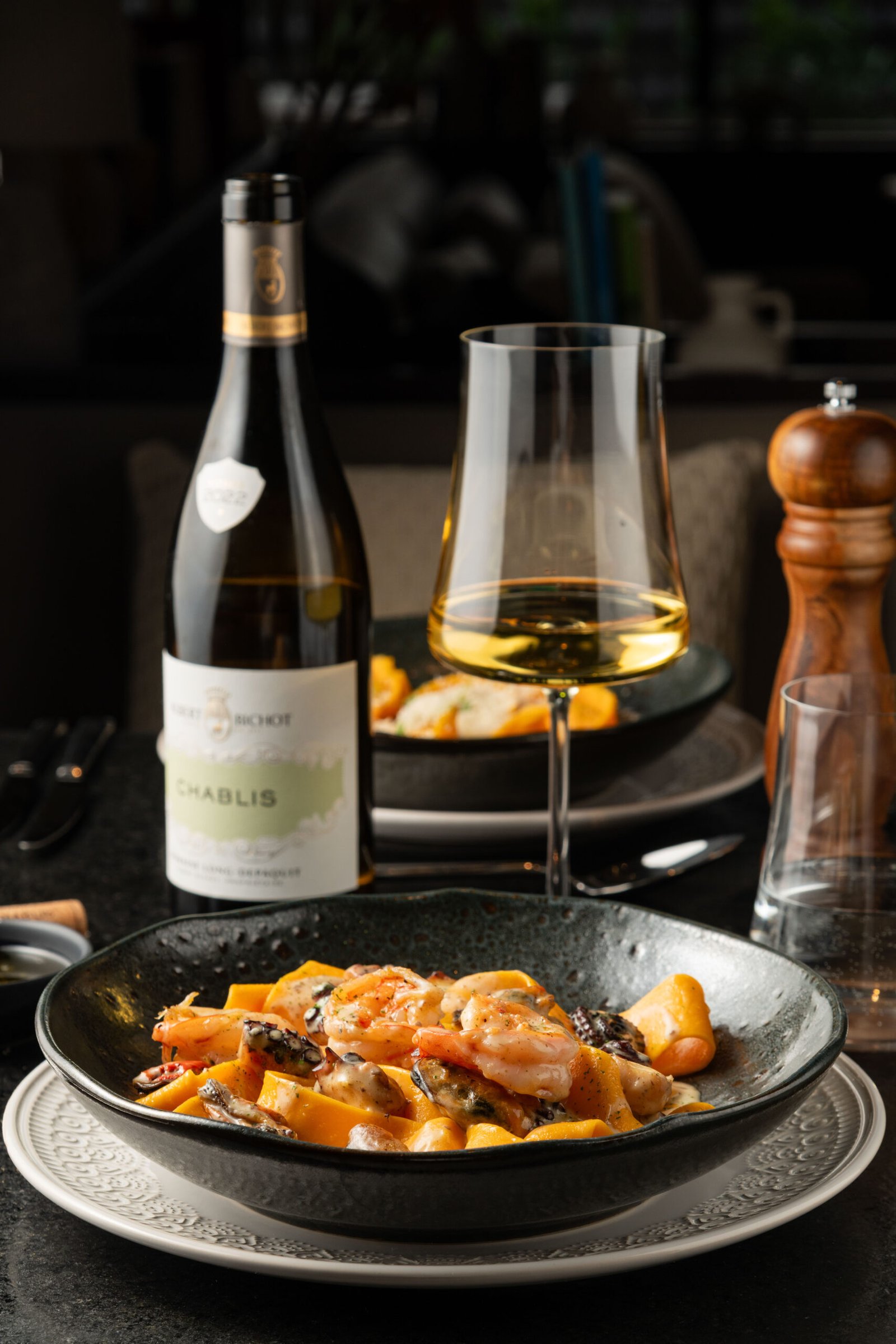
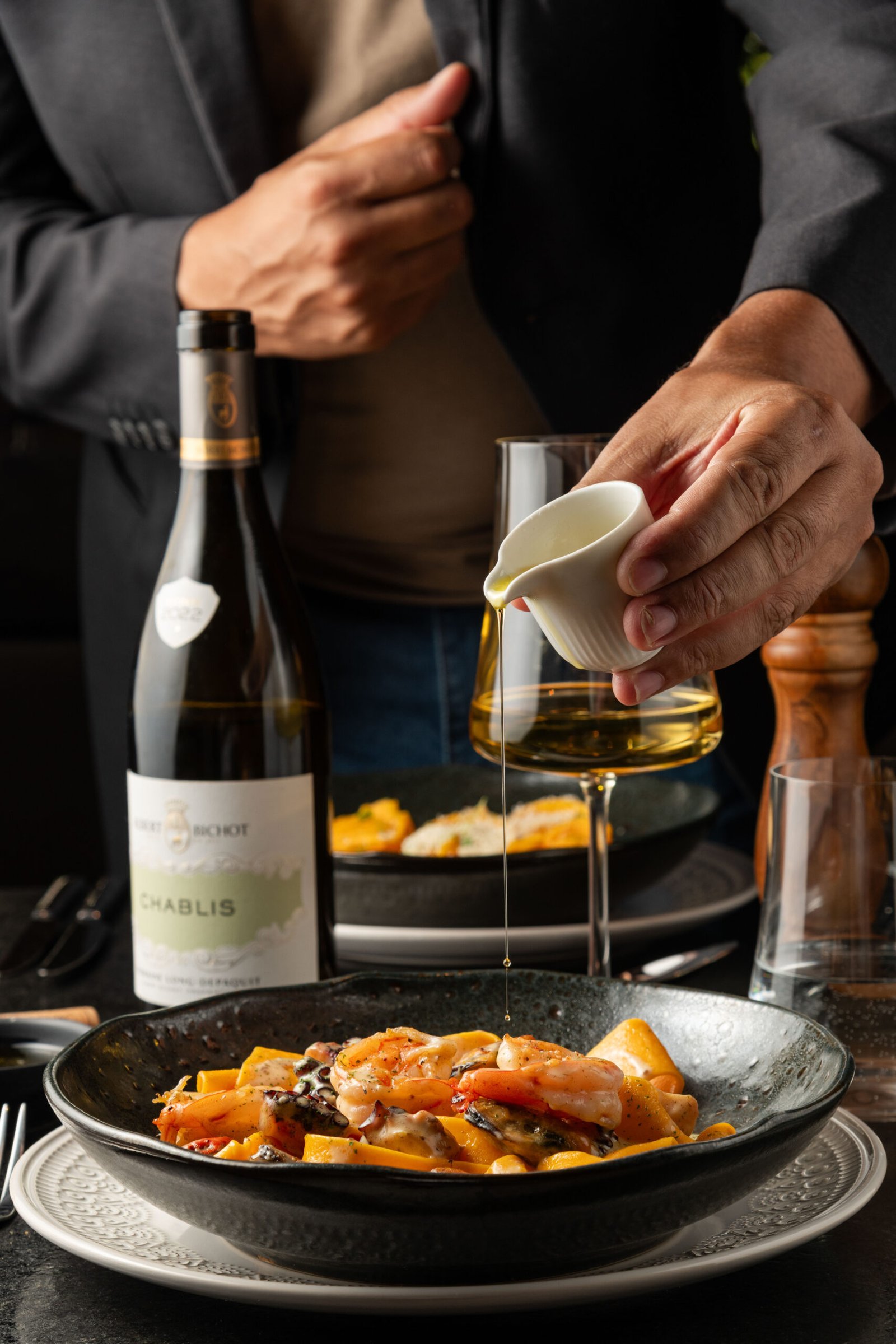
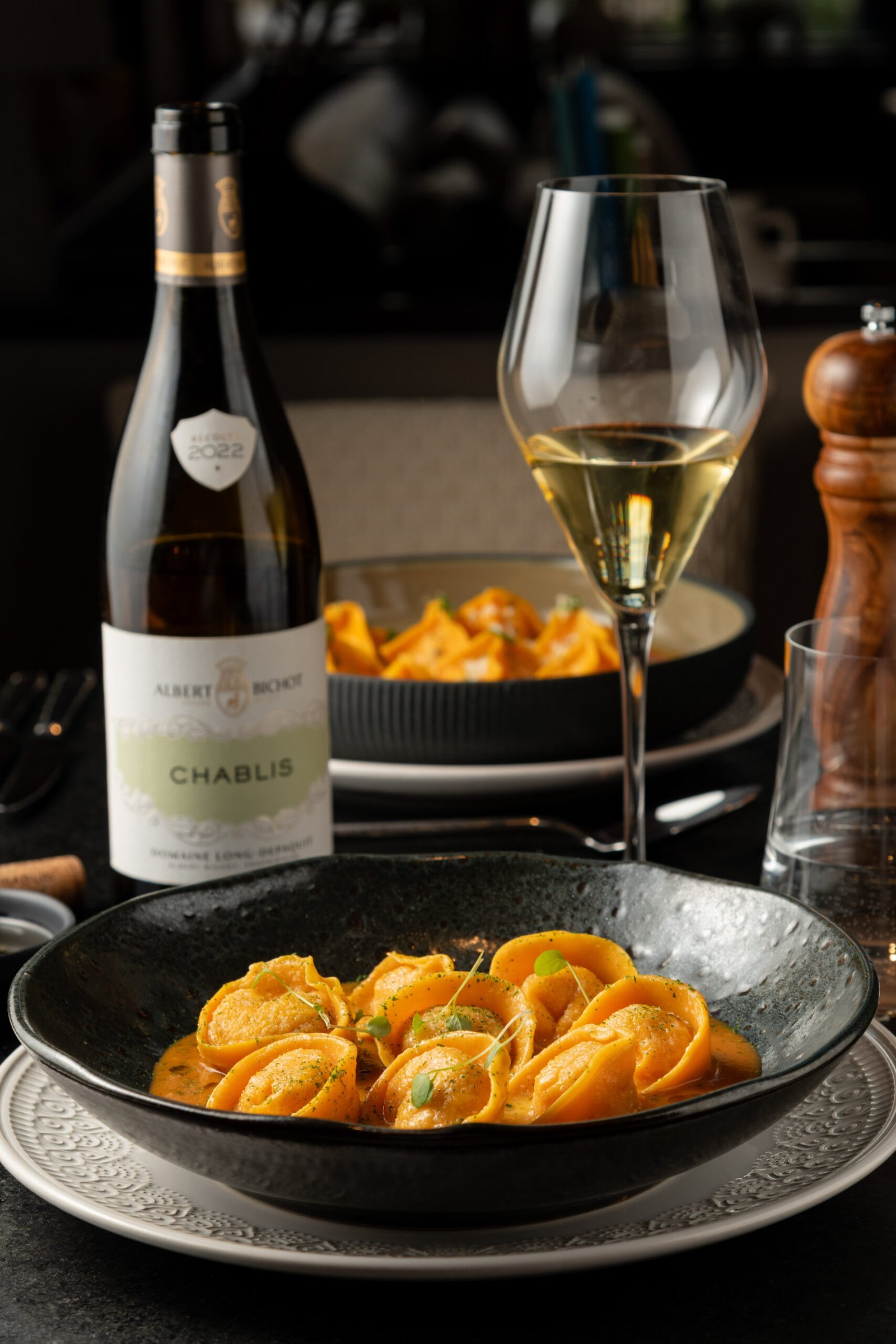
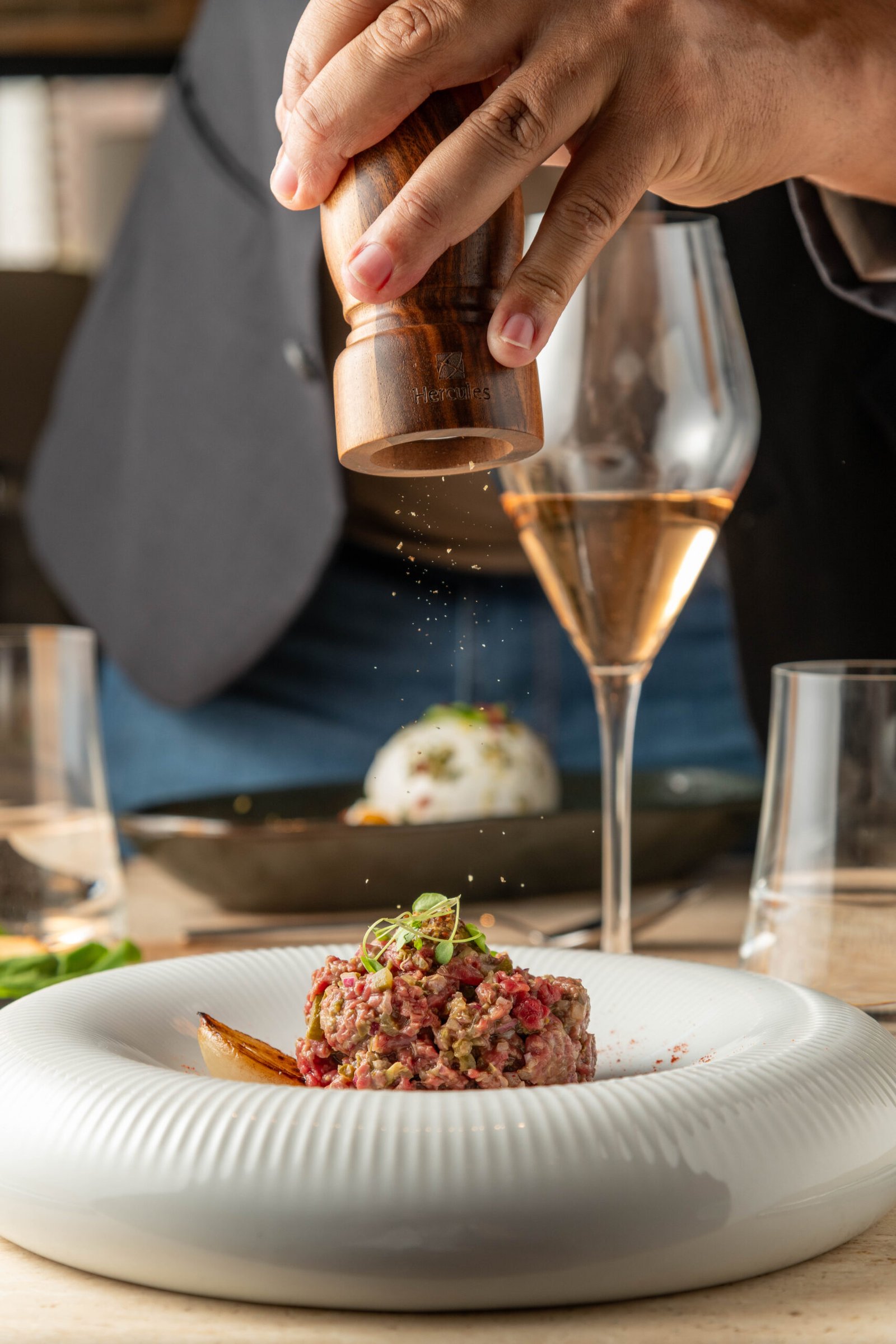
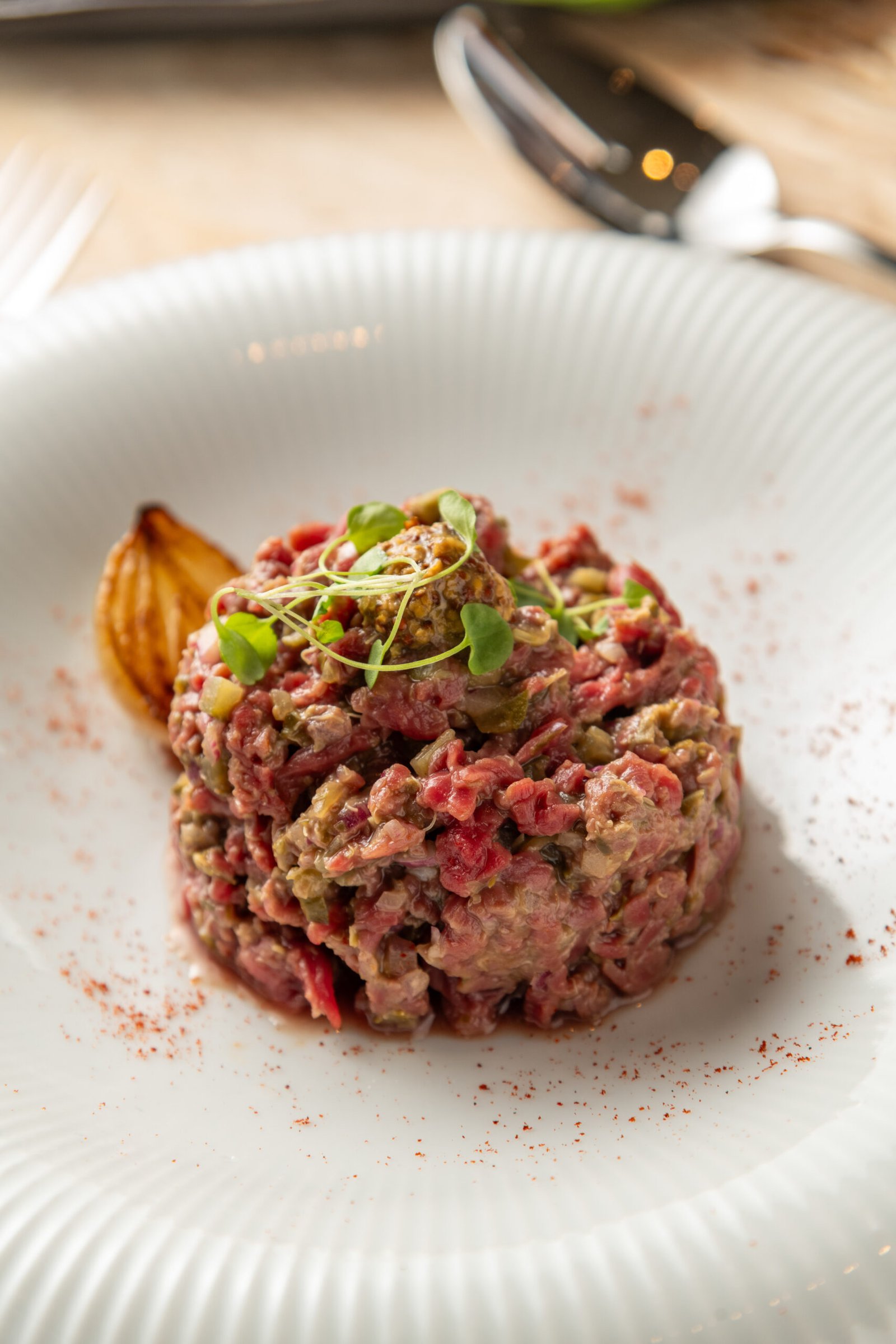
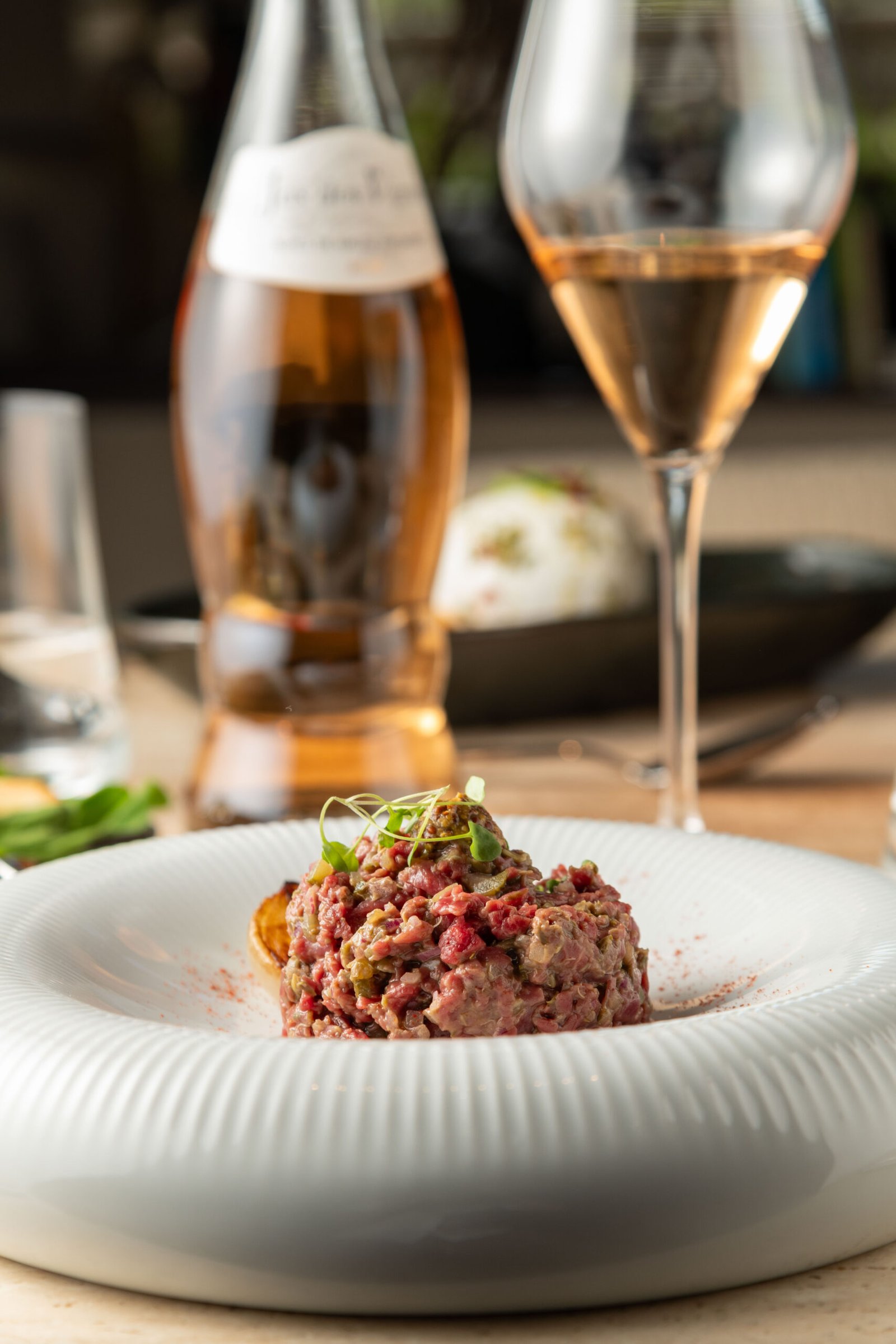
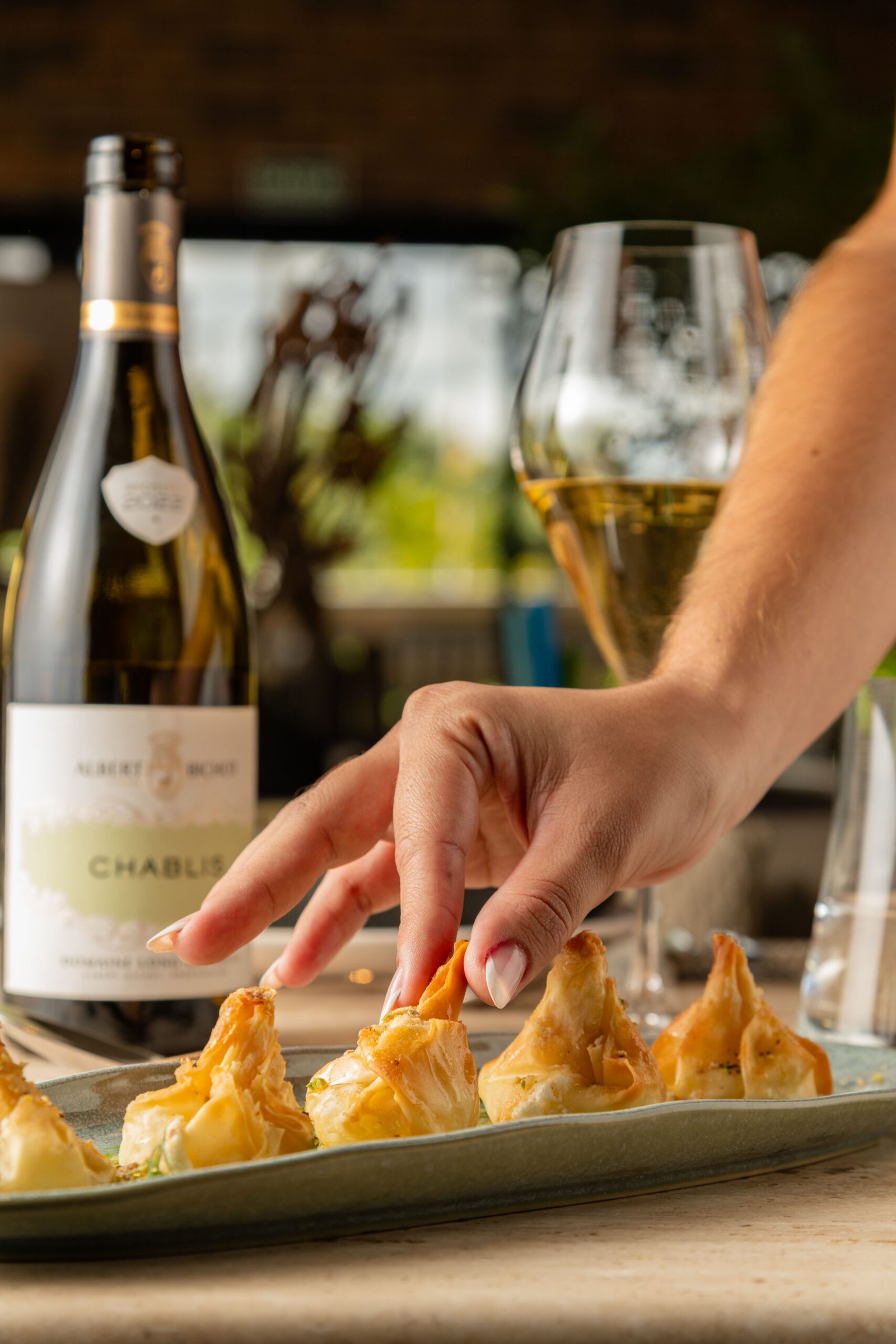
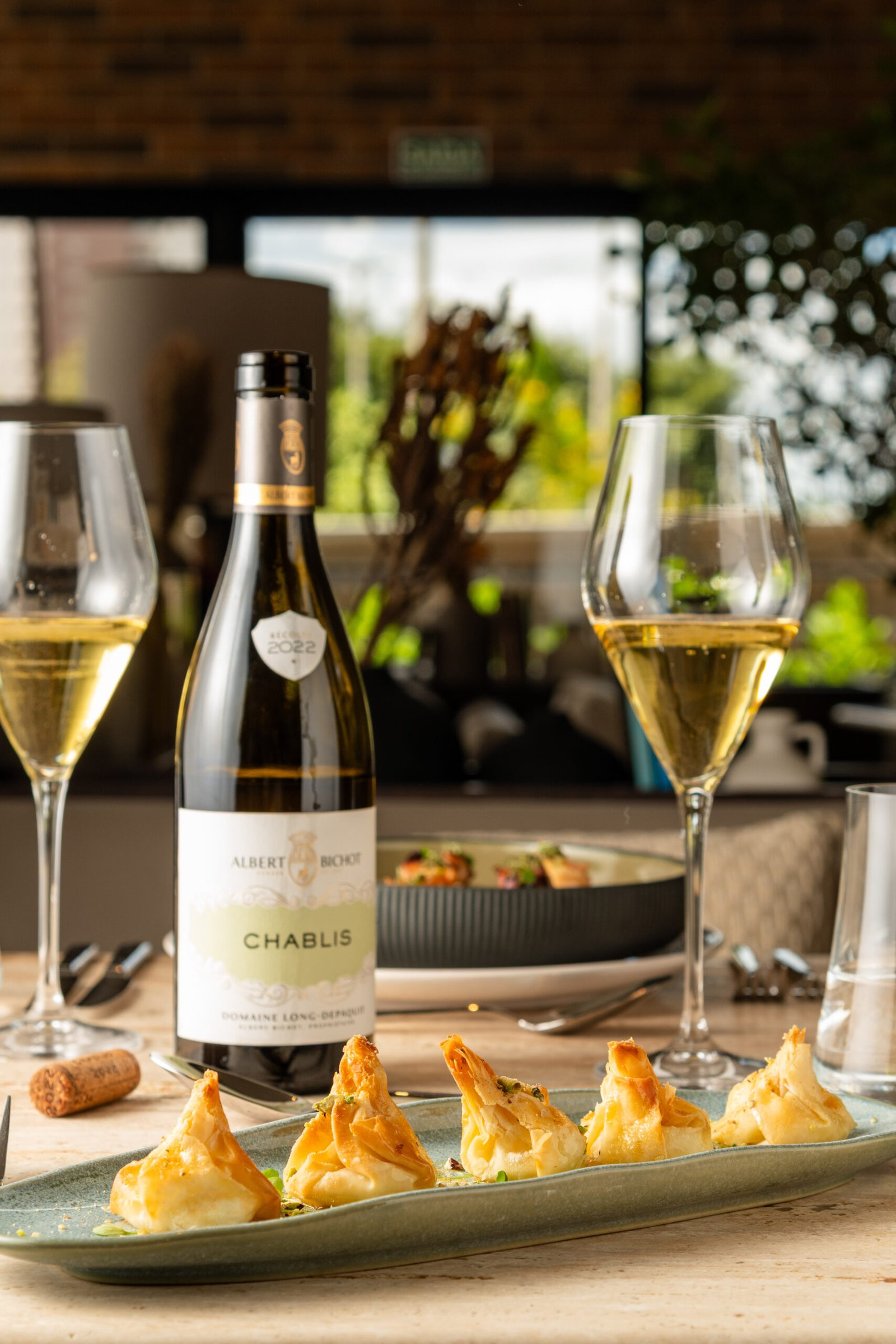
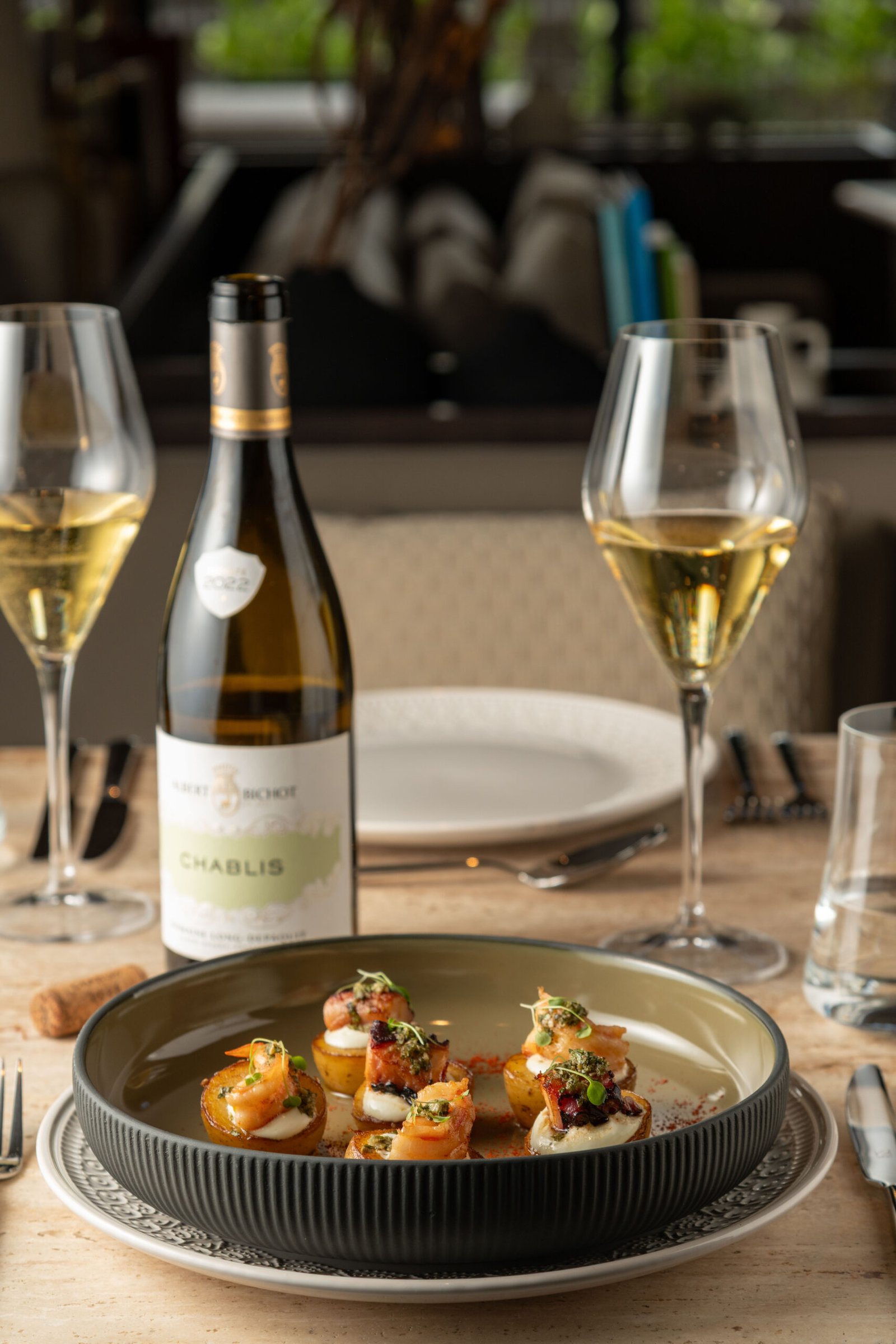
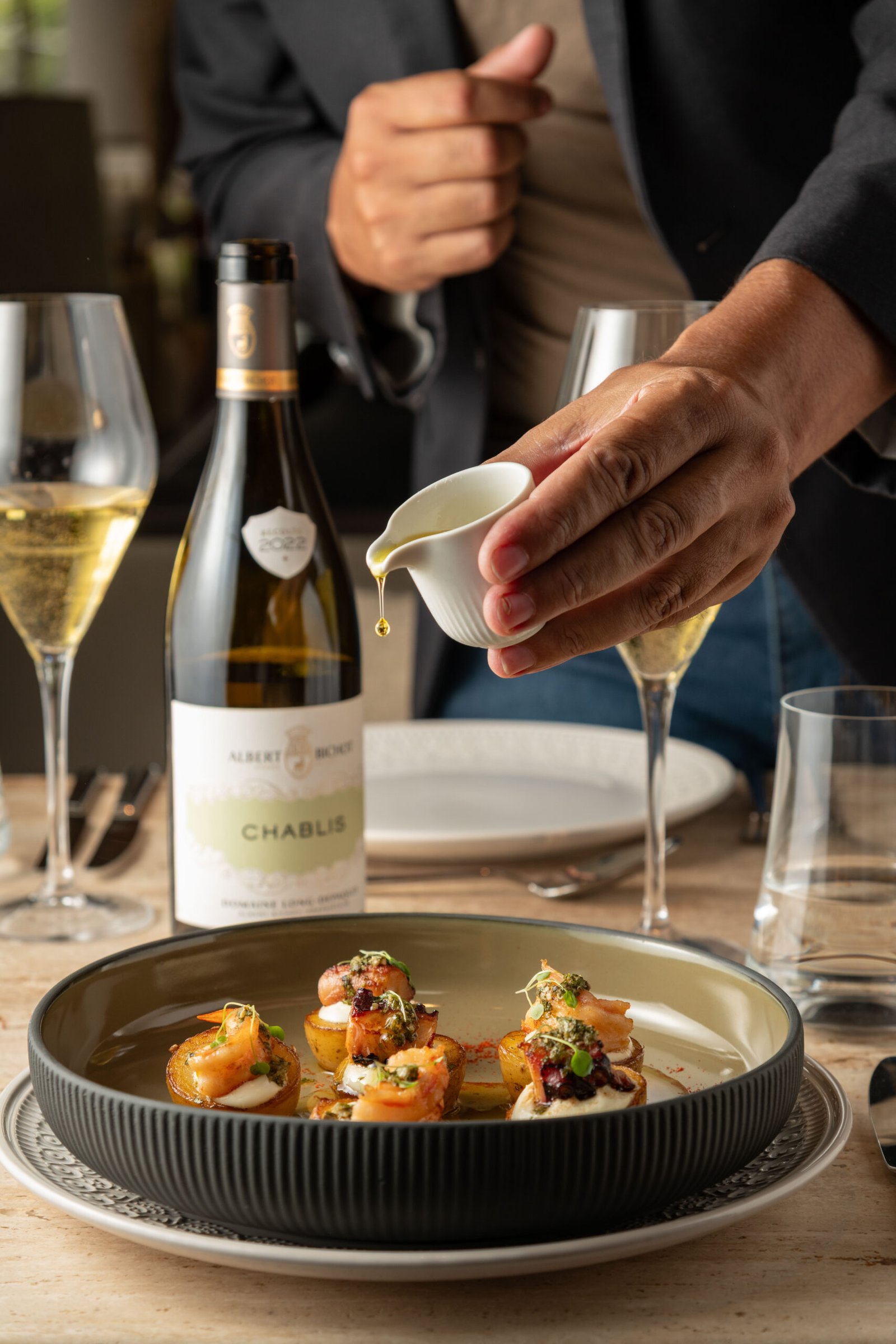
A great food photograph is never just the dish. It is the whole scene. The glass of wine beside it, the bottle of Pinot Noir slightly blurred in the background, the cutlery, the artisanal tableware, the hands entering the frame — every element is chosen to reinforce the narrative of sophistication and care. The composition guides the eye to the main point and creates context: here you are not served merely a dessert, you are served an experience. Nothing is there by chance.
Why this matters for your business
For a restaurant, hotel or bar, photography is not an aesthetic expense — it is a sales tool. Images worthy of the kitchen communicate the level of the house even before the booking, justify the average ticket and build the perception of value that sets a luxury establishment apart. A mediocre dish that is well photographed already disappoints at the table; an excellent dish that is poorly photographed simply isn’t chosen. Esfera Cozinha’s shoot shows what happens when the image lives up to what comes out of the kitchen.
If your kitchen delivers excellence, your photography must deliver too. Discover more of my work with gastronomy and hospitality in the portfolio, or get in touch so we can talk about your project.