Come with me up to the top of Monte de Santa Luzia. I’ll show you what it’s like to live — and to photograph — one of the most cinematic hotels in Portugal. And, along the way, to understand why a hospitality project is worth what it’s worth.
A subida
There’s a road that winds up to Monte de Santa Luzia, and at every turn the city of Viana do Castelo opens up further below — the rooftops, the mouth of the Lima river meeting the Atlantic, the late-morning light coming in from the side. When I reach the top, beside the sanctuary, the pousada is already waiting for me with the presence of a palace. Before I even take the camera out of my bag, I stop. I look. Because photographing a hotel begins long before the click: it begins with understanding the place. And it’s into that place that I want to take you today.
O primeiro olhar: ler a casa antes de fotografar
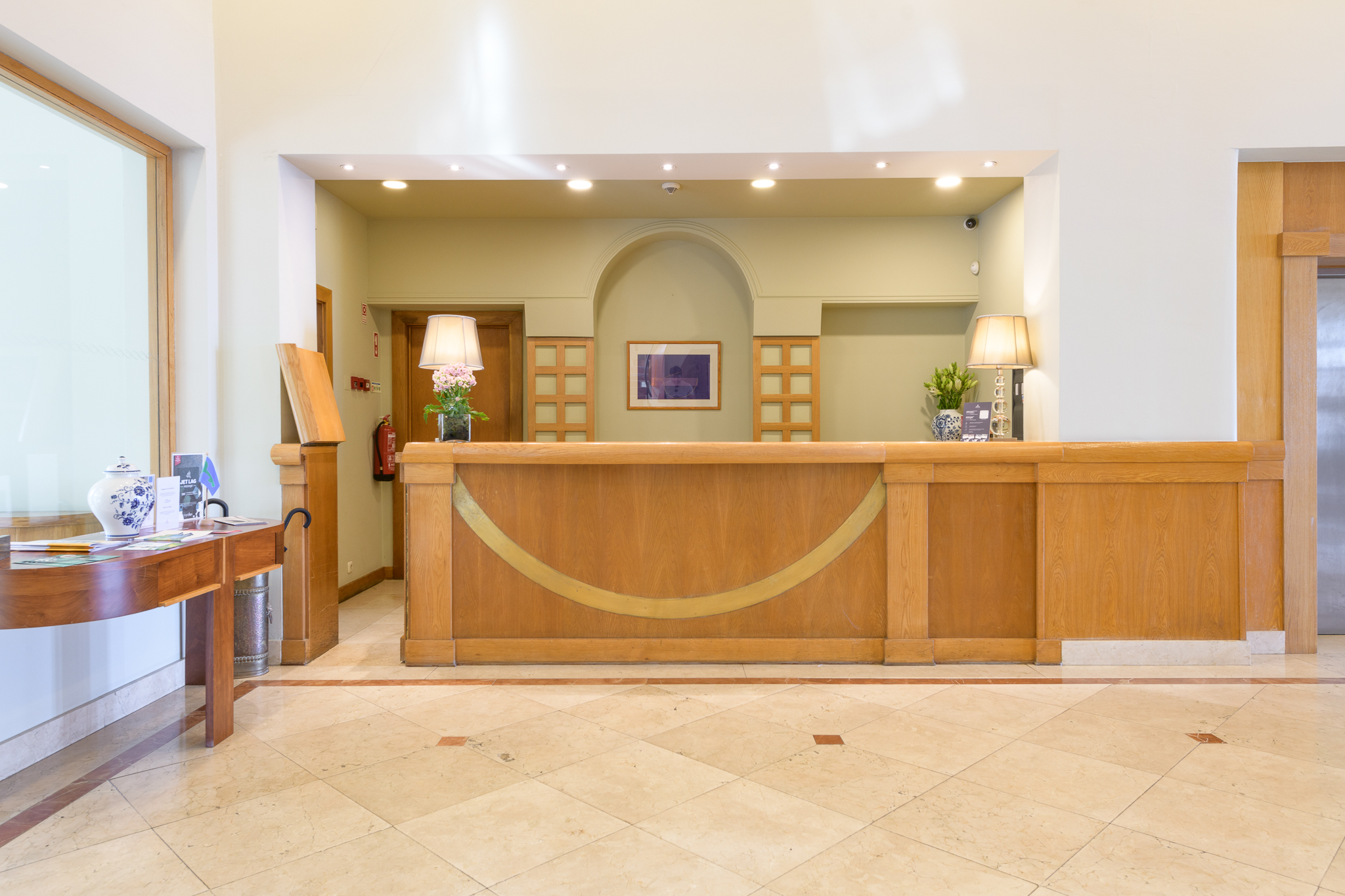
The first thing I do when I arrive at any property is walk through all of it, unhurried, as if I were a guest. I count the rooms. I identify the room types — how many different kinds of accommodation there are, because each one is a set. I notice where the light comes from in each space and at what time. I see where the restaurant is, how breakfast is laid out, whether there’s a pool, a garden, a view that calls for a drone, a city around it that calls for a street eye.
That seemingly casual stroll is, in fact, the map of the entire job. This is where I understand the scale of the project — and it’s from here that any conversation about days, scope and price is later born. Without this map, any quote is just a guess.
Os quartos: arquitetura, silêncio e linha reta
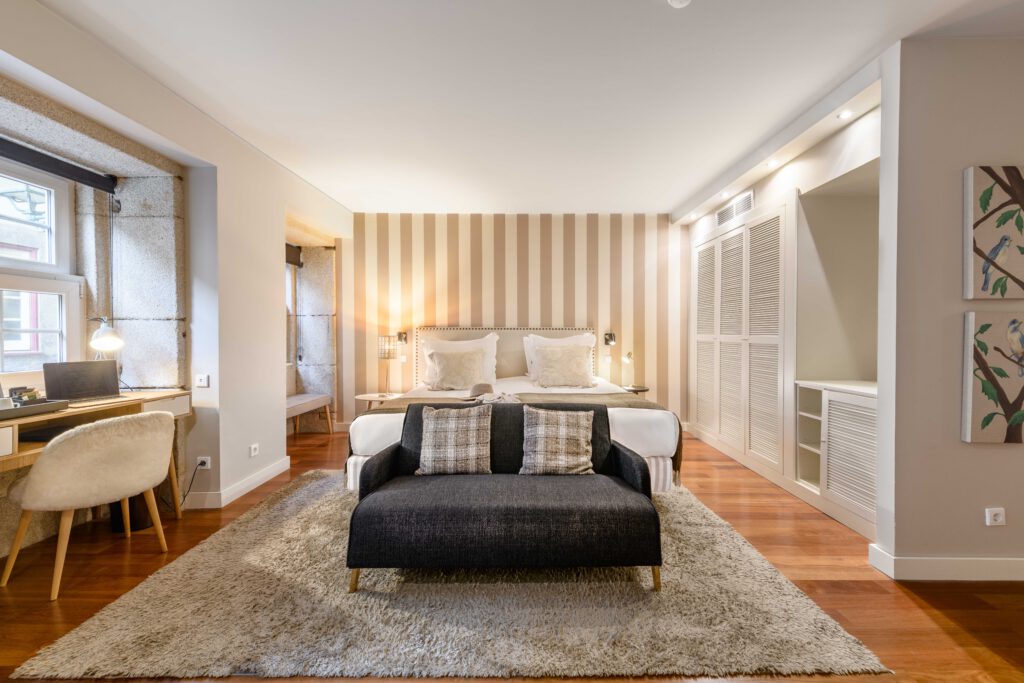
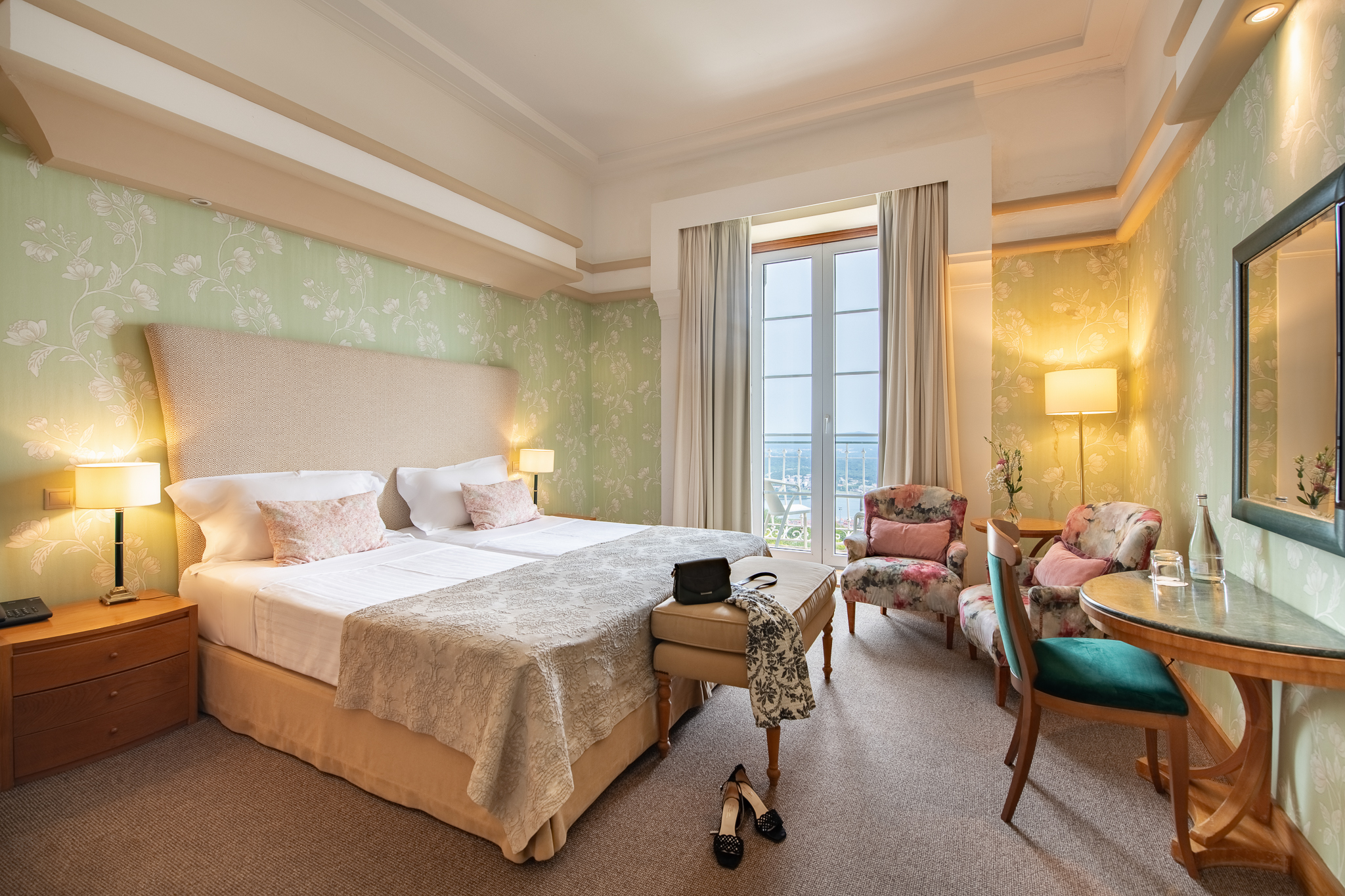
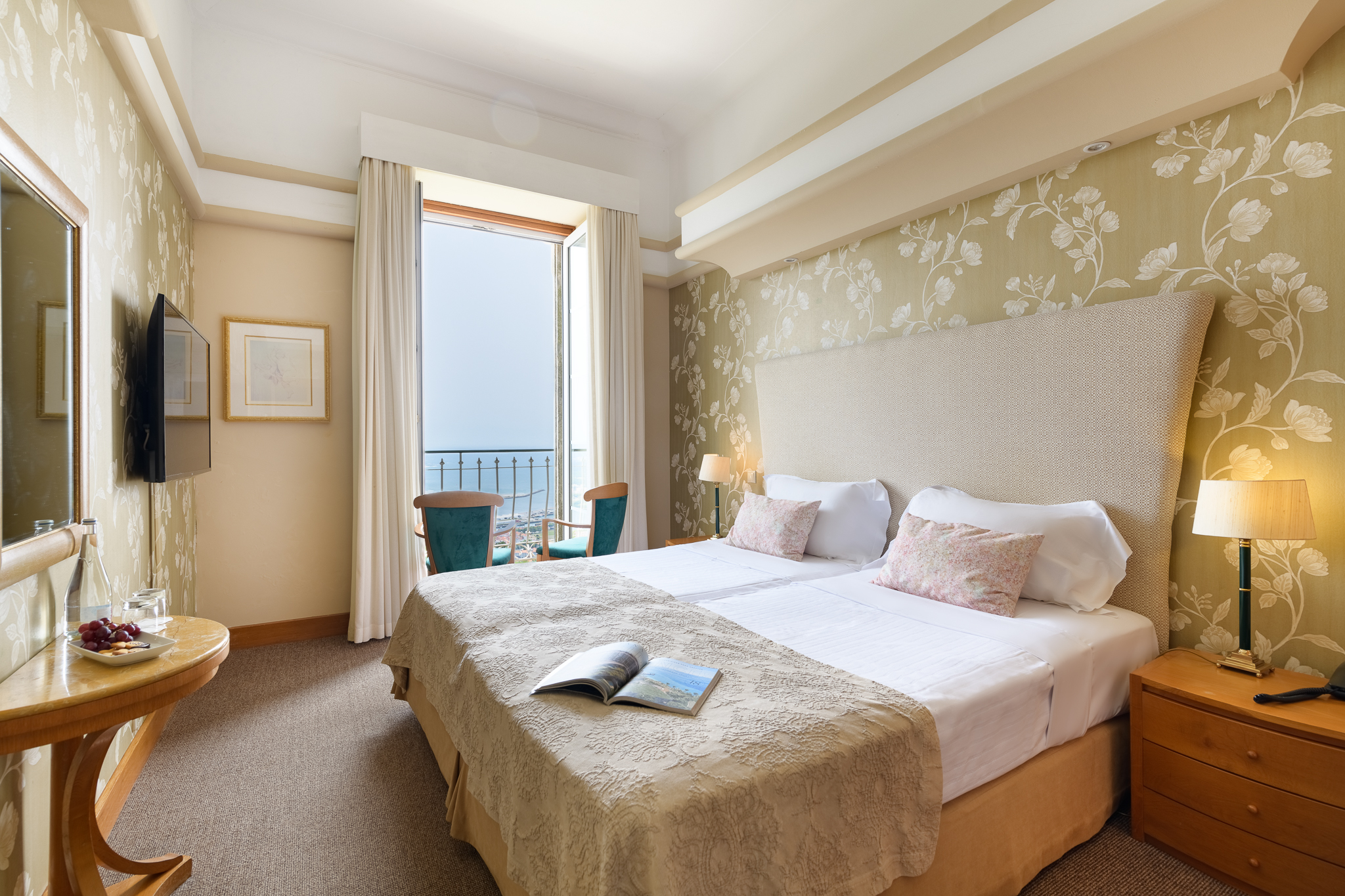
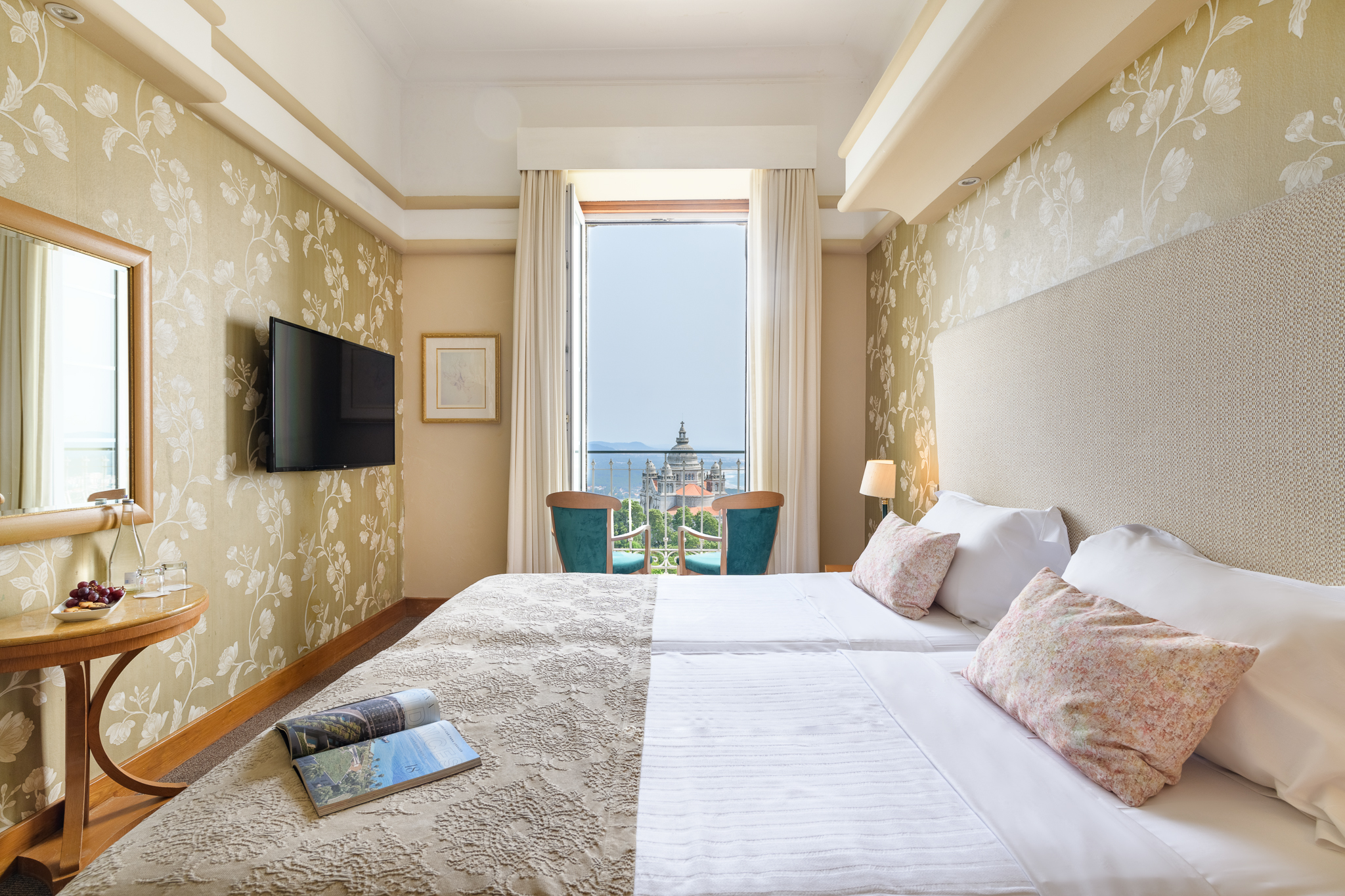
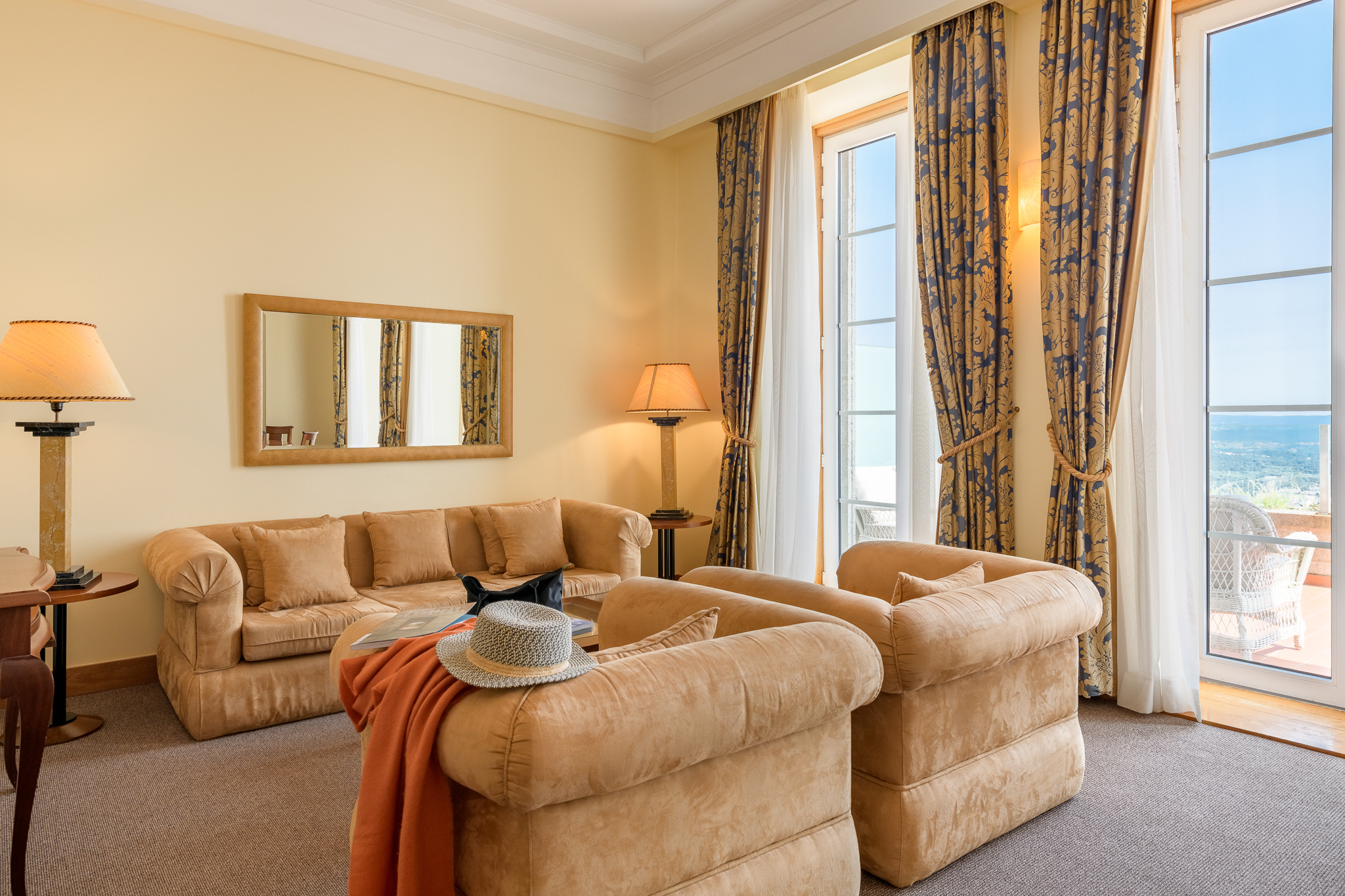
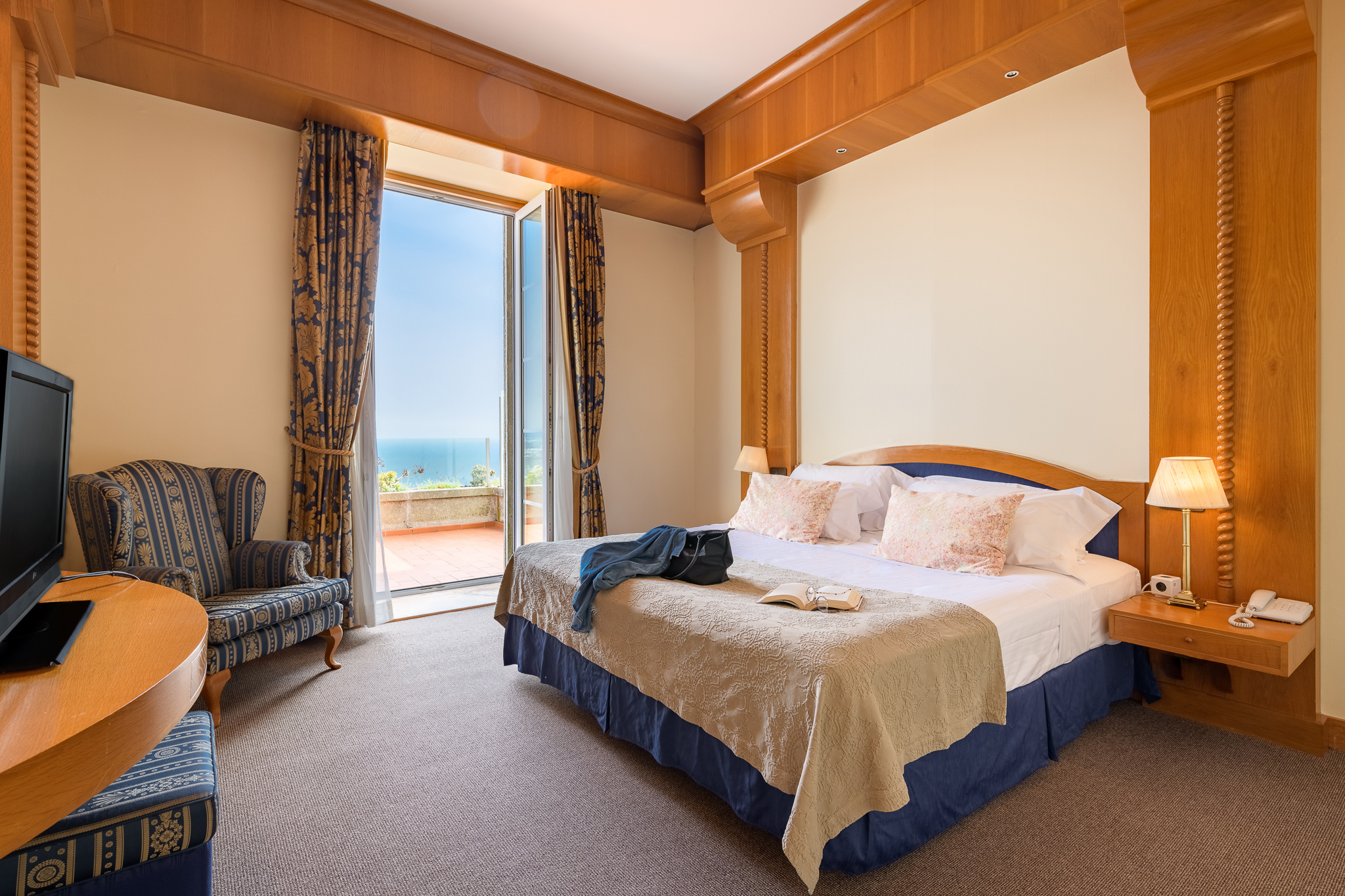
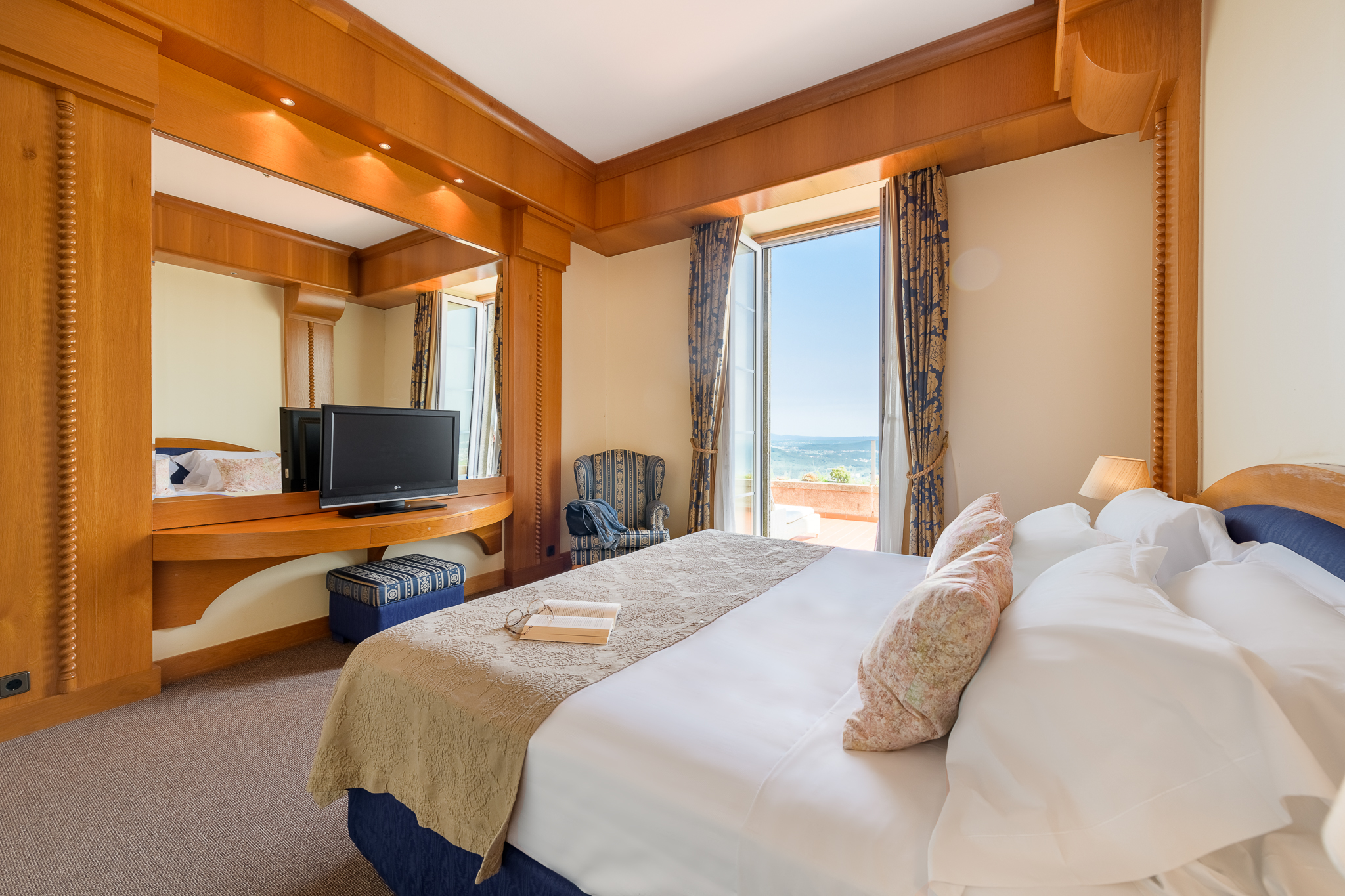
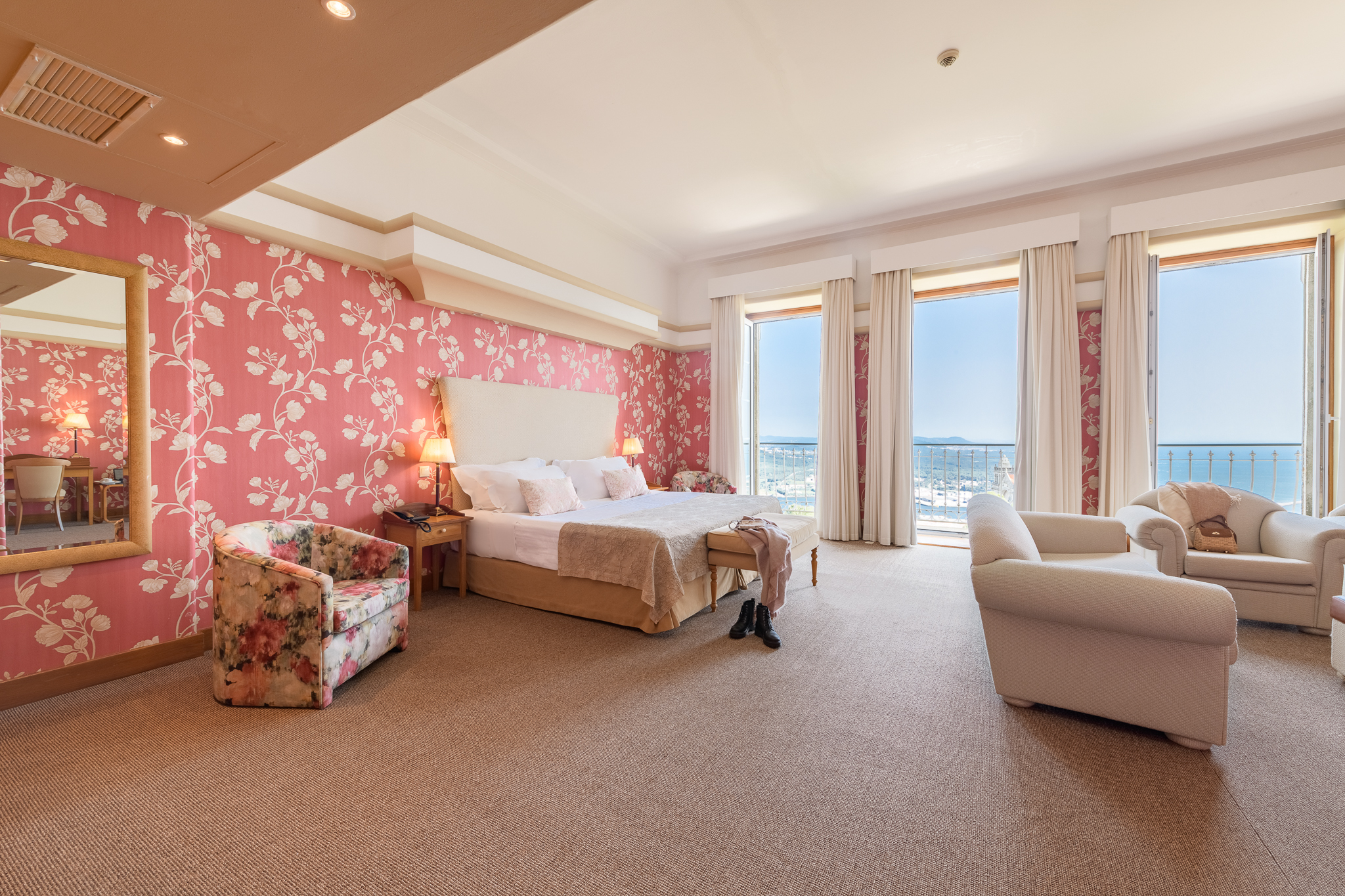
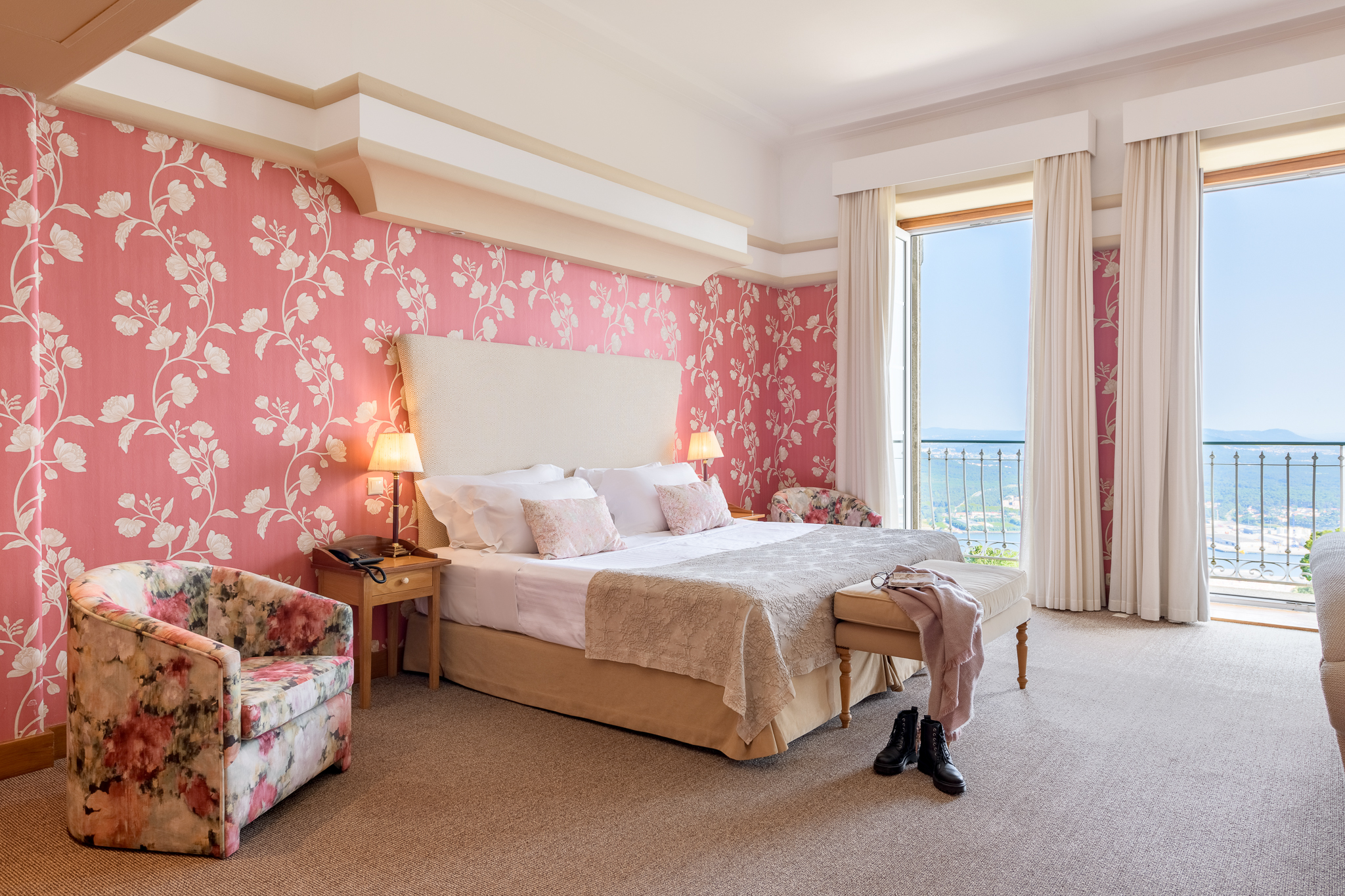
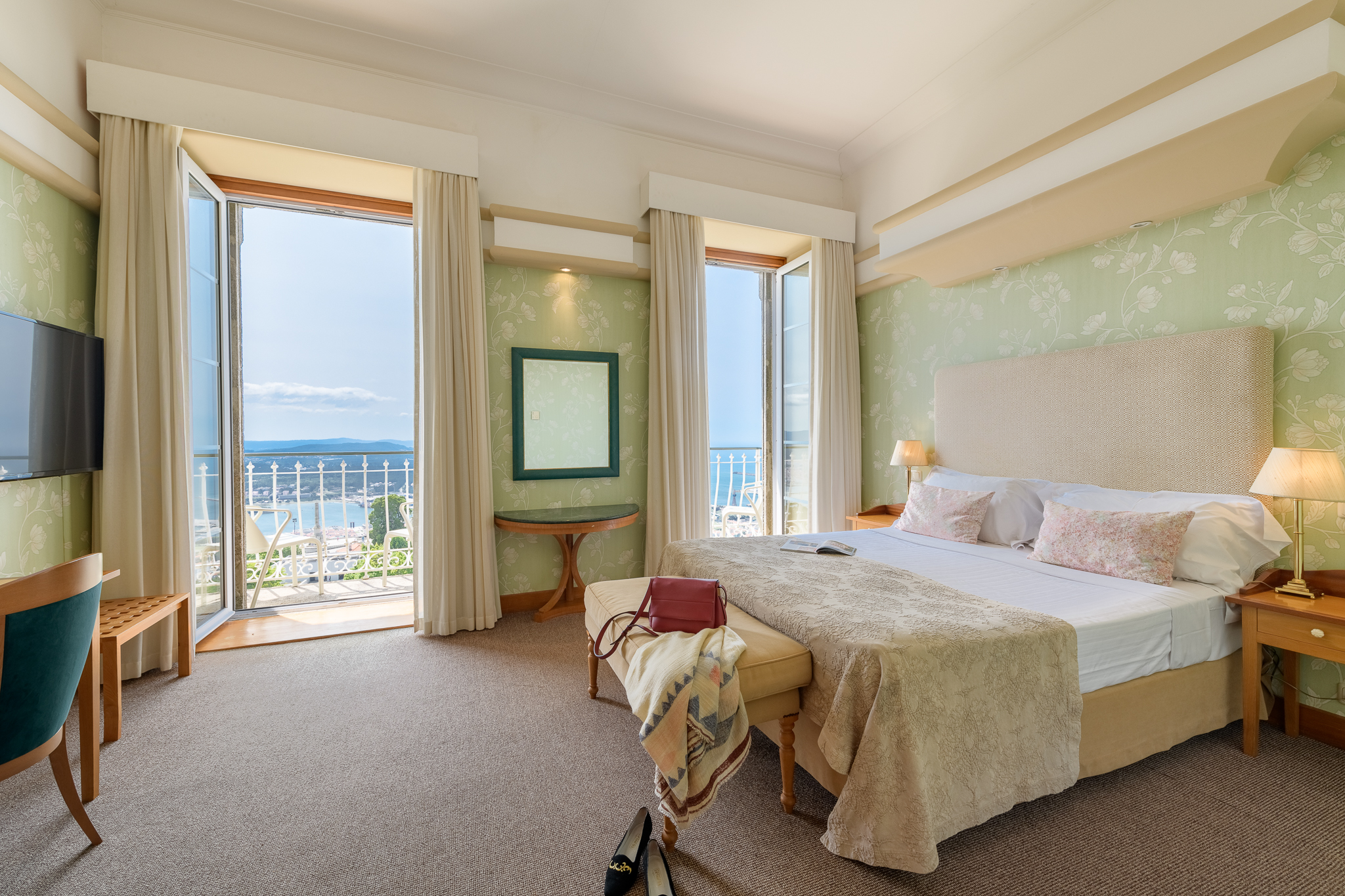
I head up to the floors and step into the first room. High ceilings, floral wallpaper, heavy curtains framing the window — and, on the other side of the glass, the whole city. Photographing a room like this is an exercise in patience: aligning the verticals, controlling the window so it doesn’t blow out, balancing the warm interior light with the cool daylight outside. Every detail has to feel intentional.
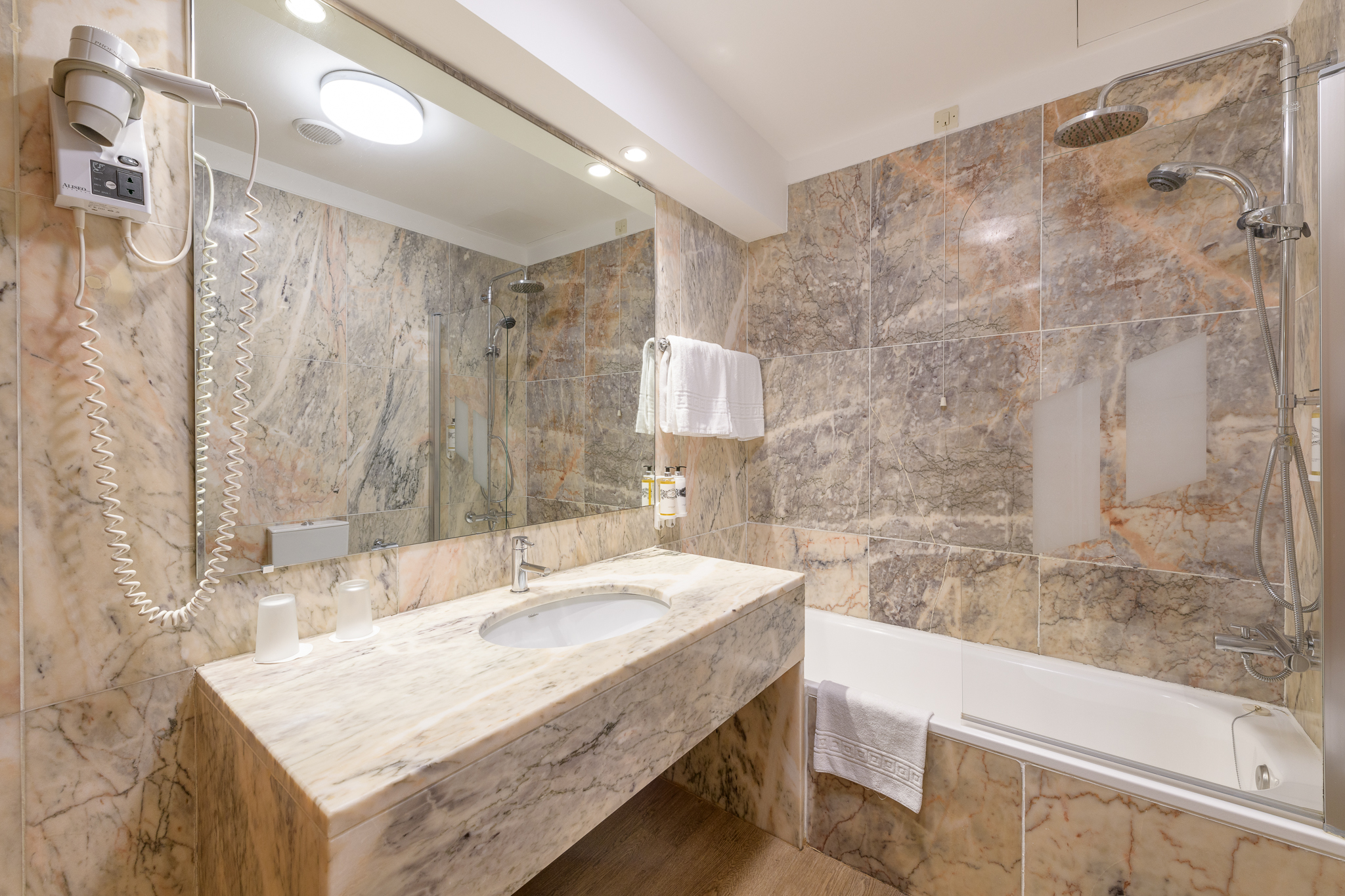
Each room type has its own personality. The rosy floral room, the spacious corner suite with a double view, the marble-clad bathroom. For the hotel, each of these spaces is a product that has to sell itself on a phone screen. For me, each one is a set that deserves the same care.

A mesa: onde a gastronomia vira desejo
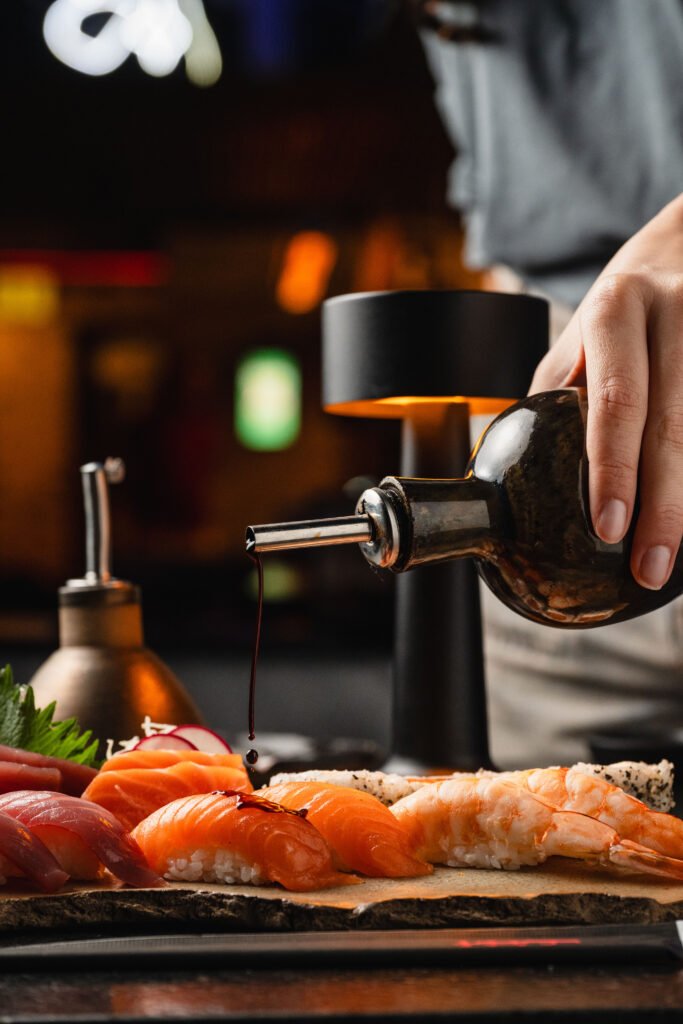
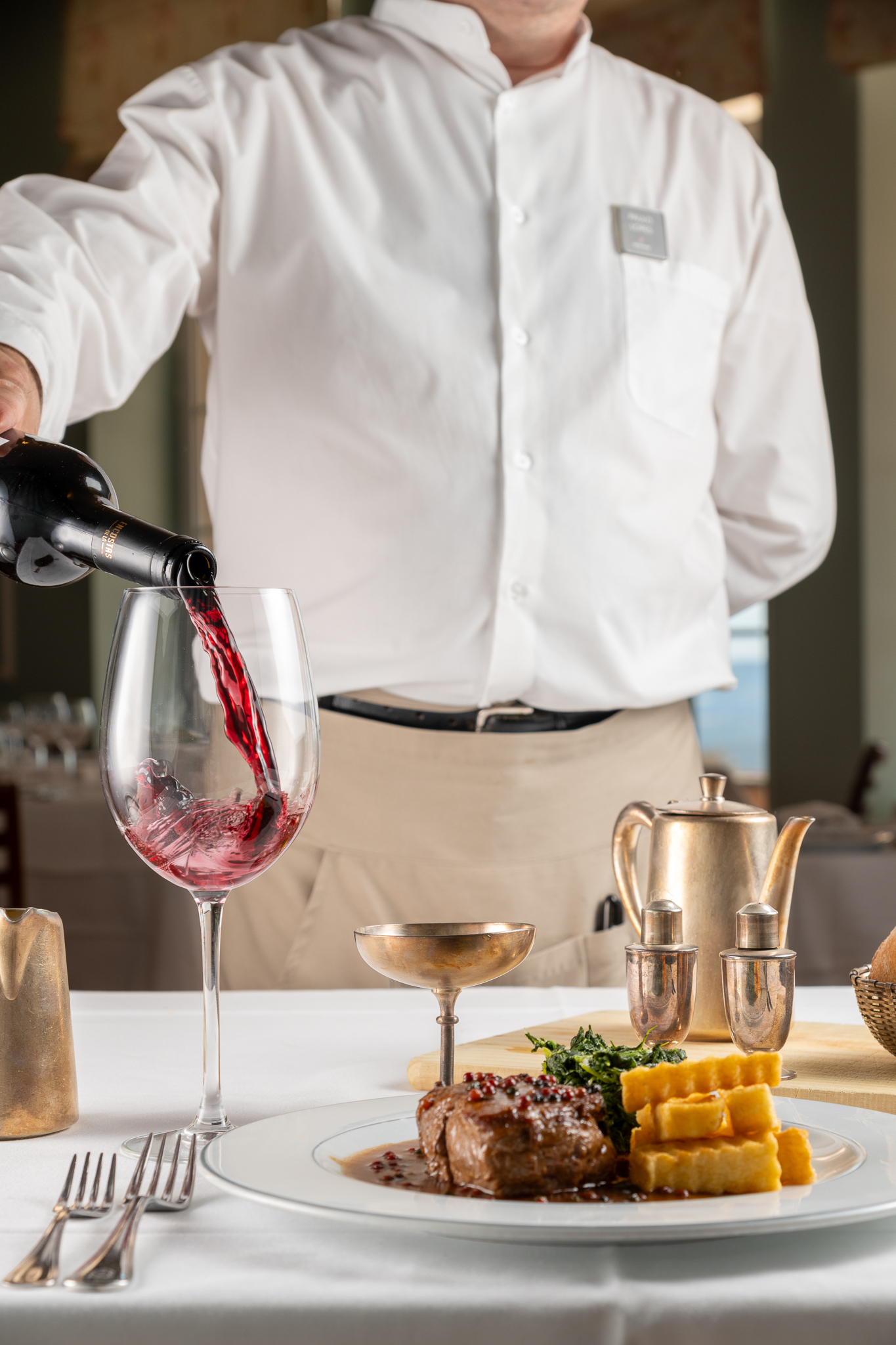
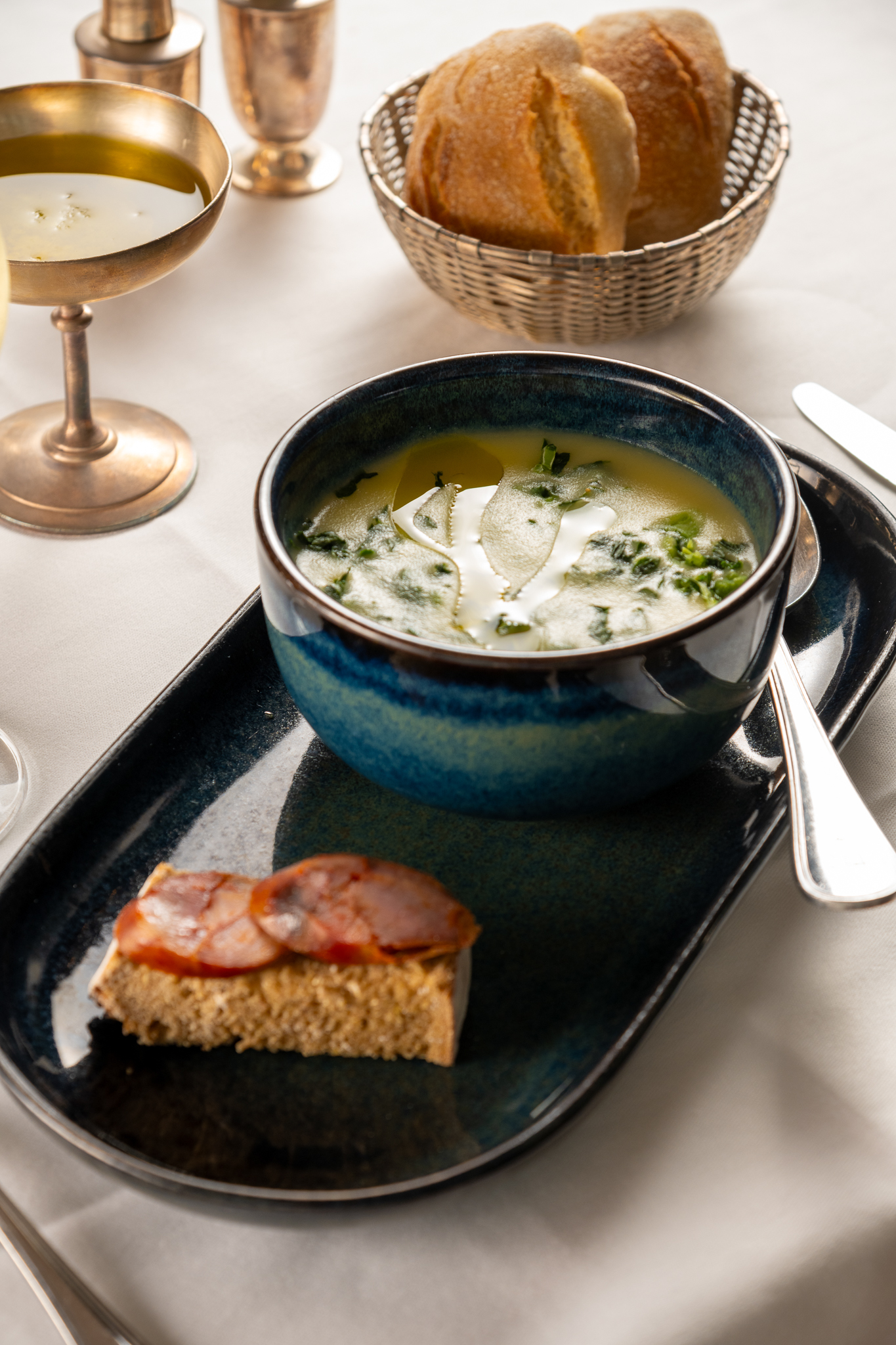
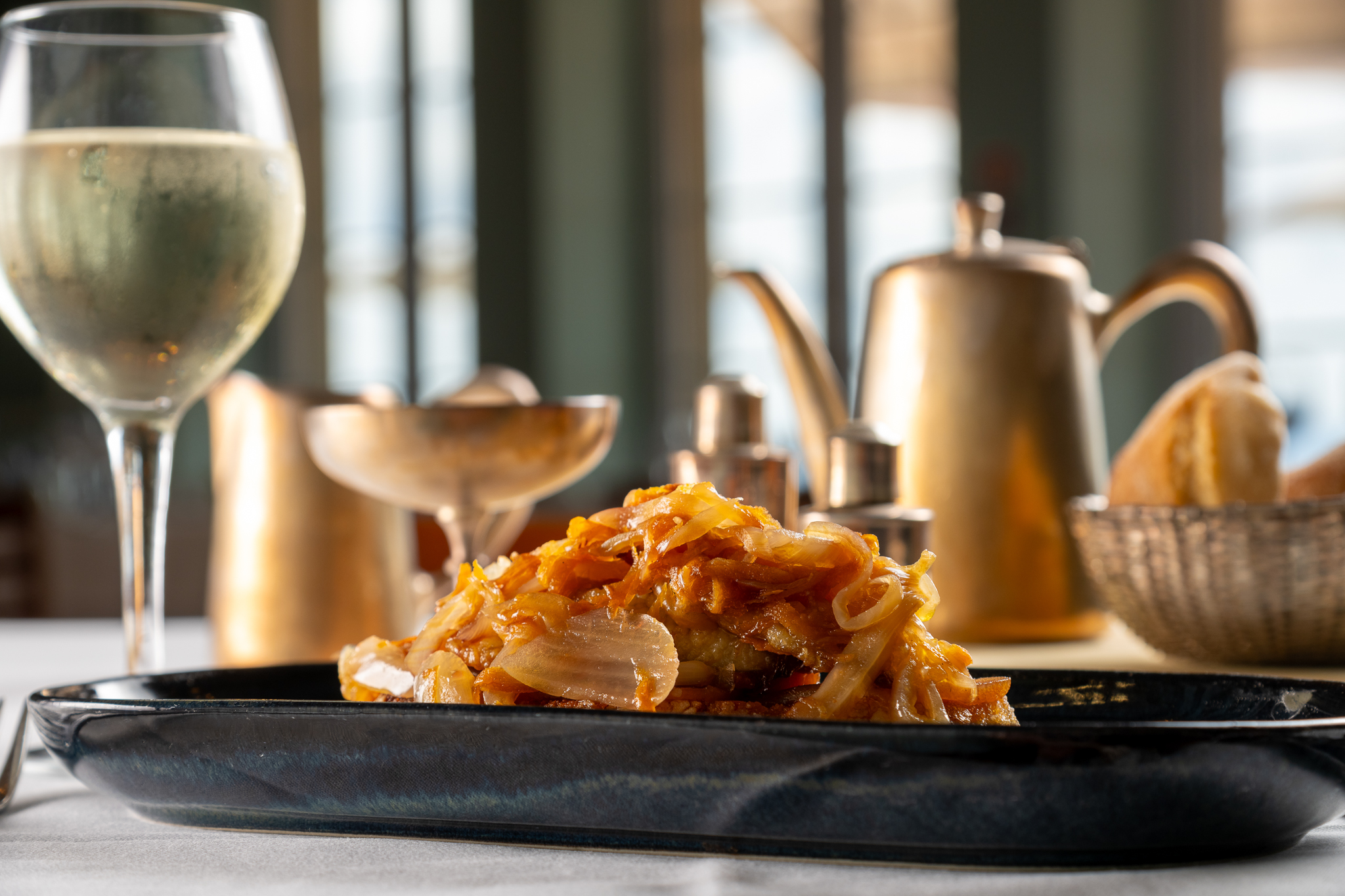
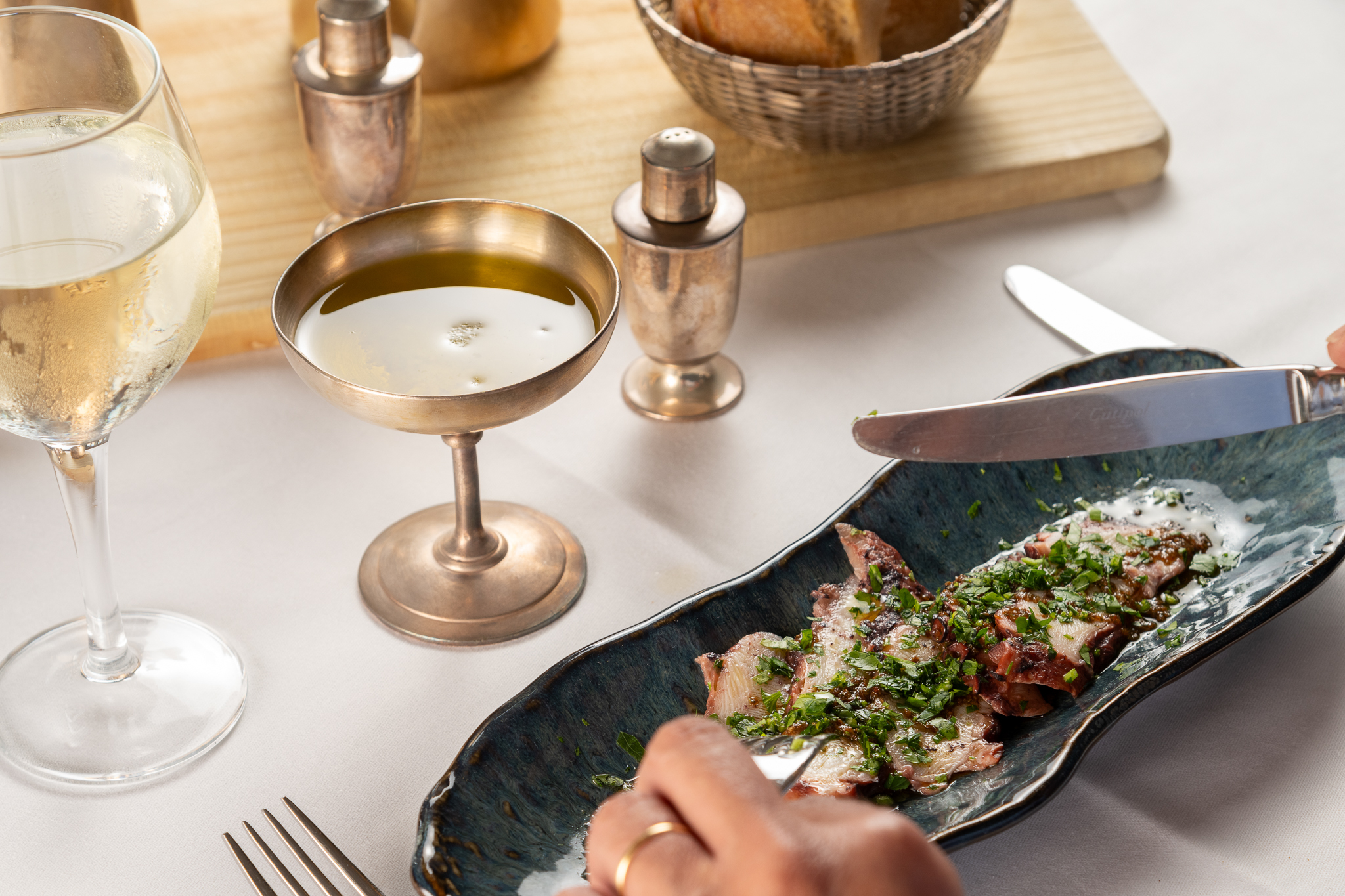
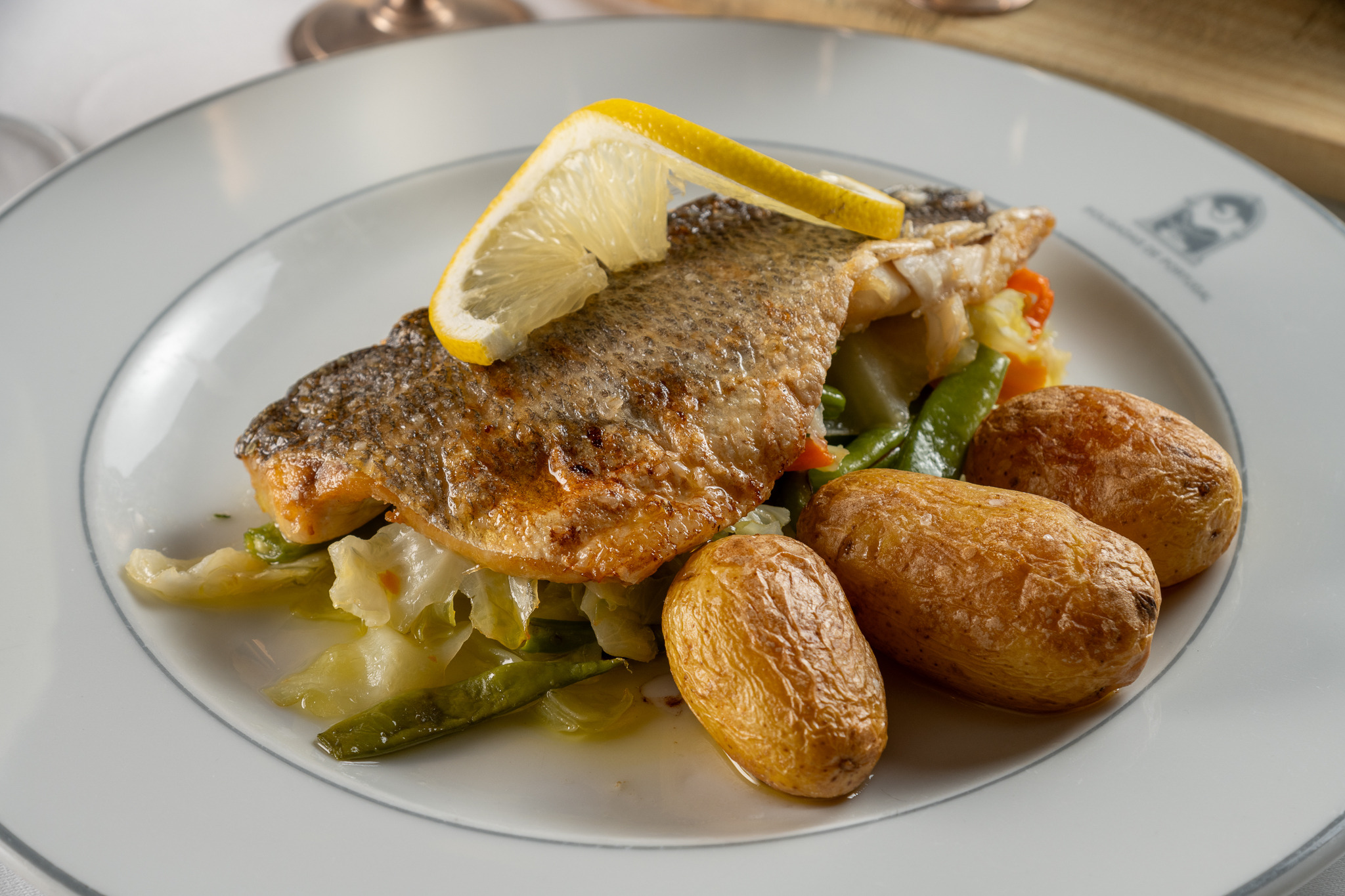
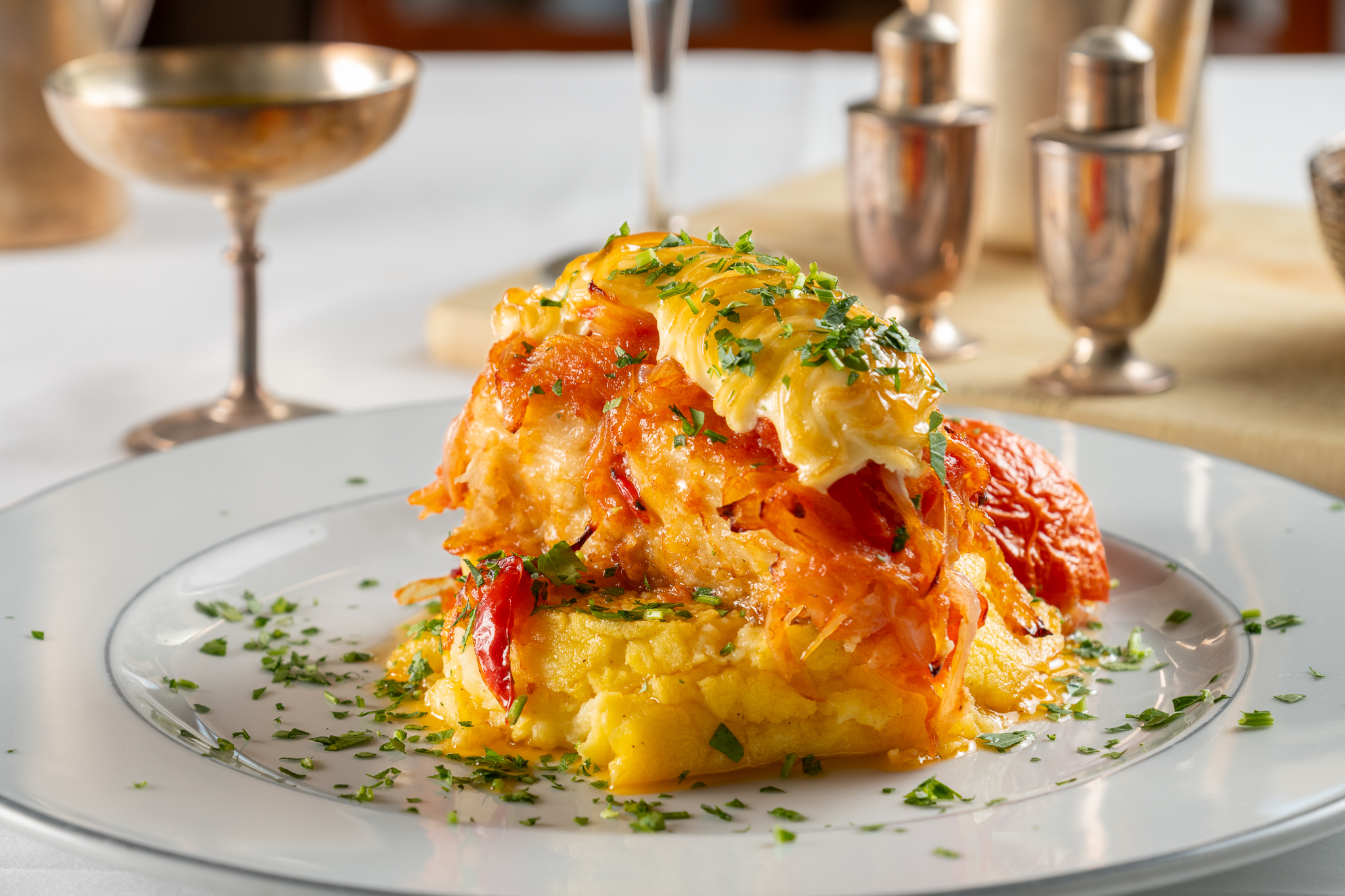
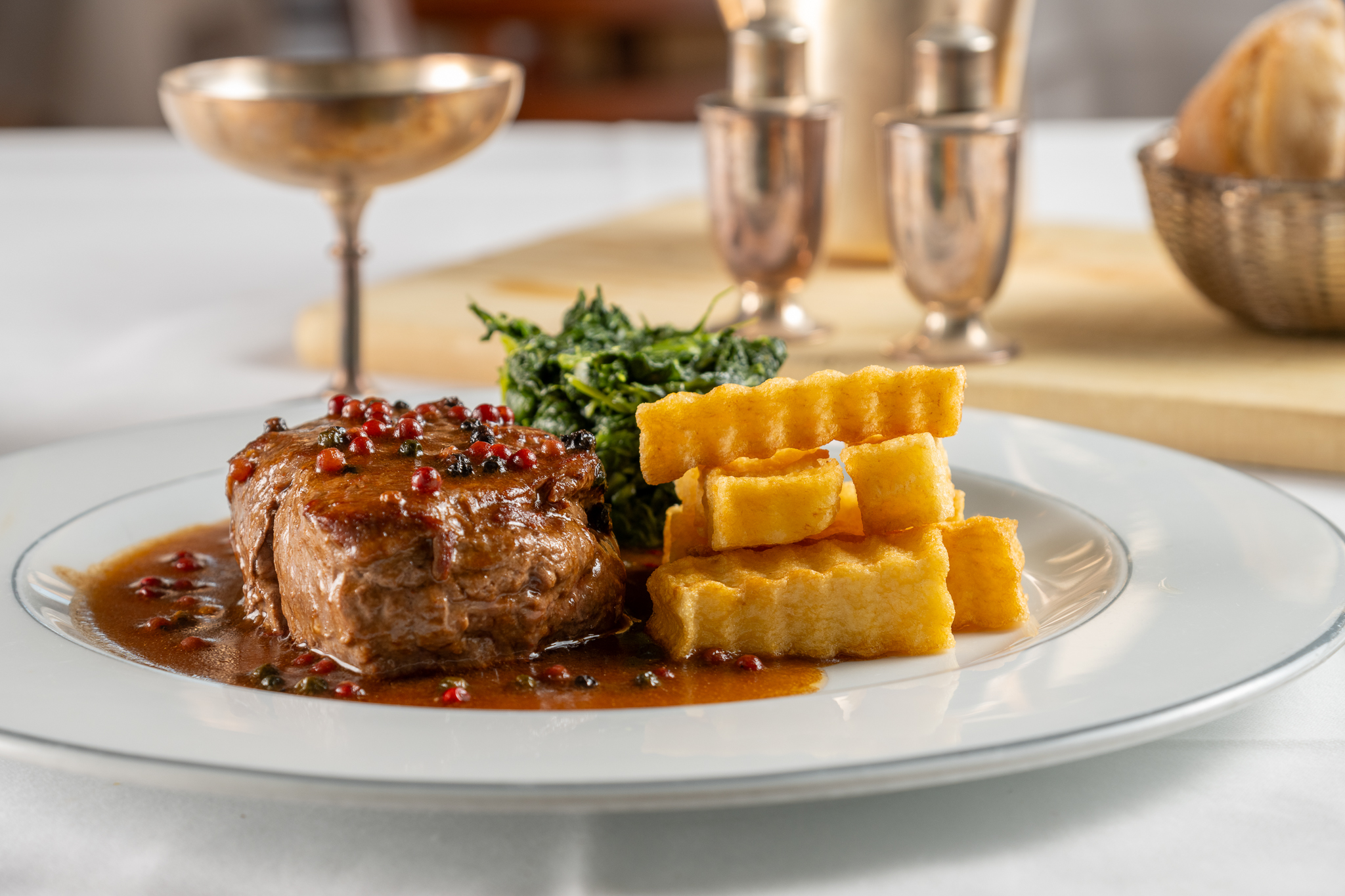
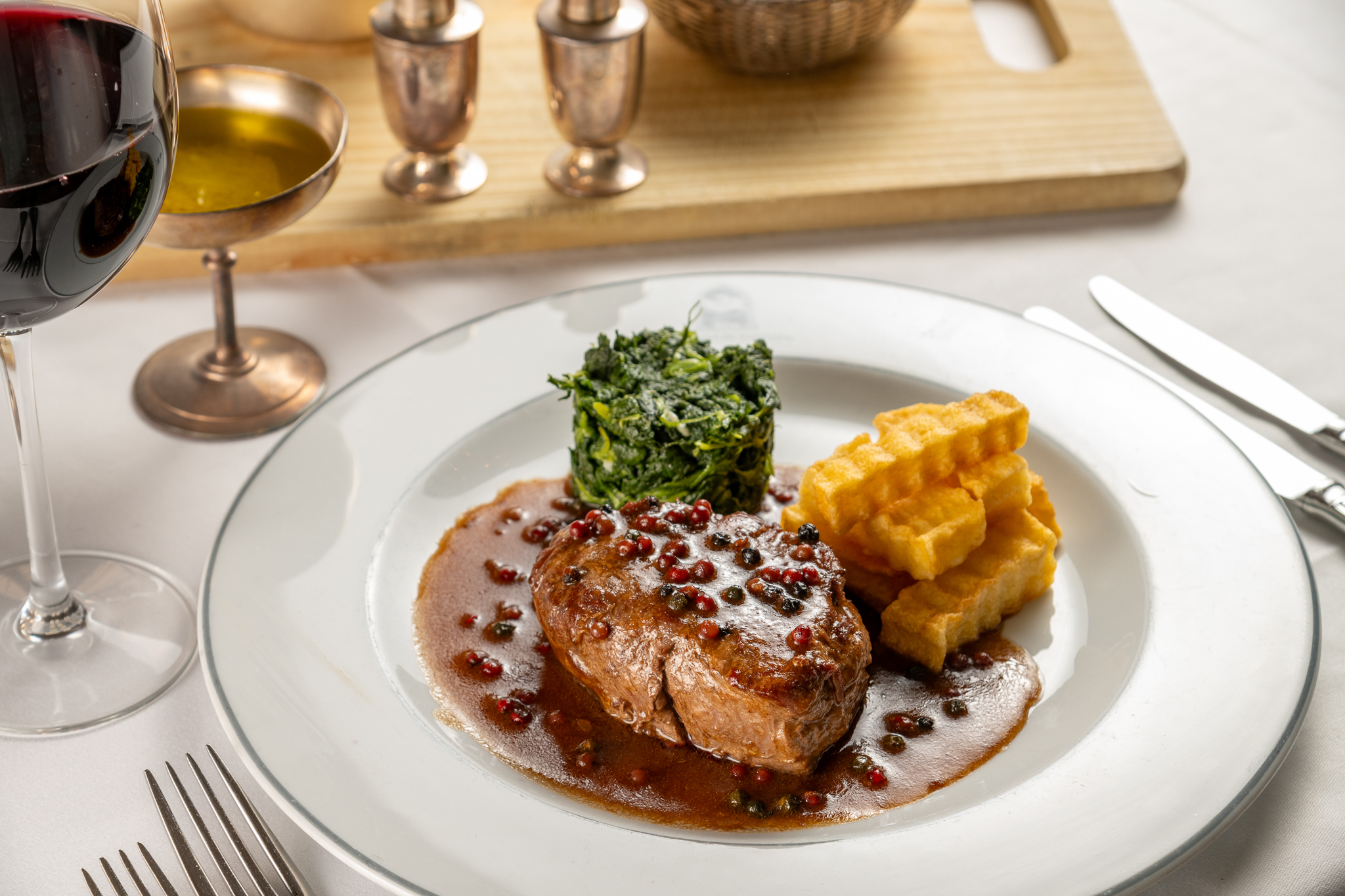
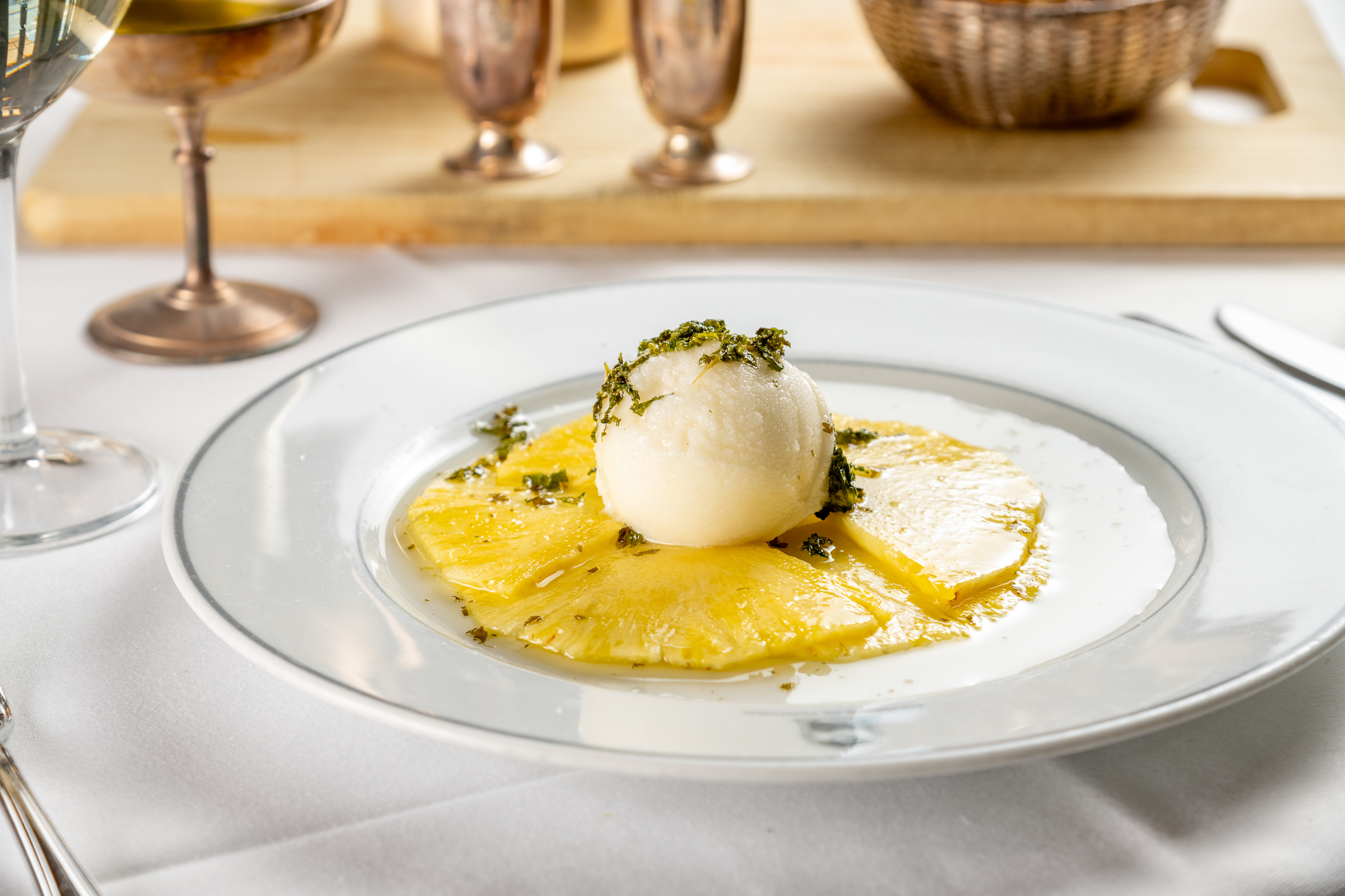
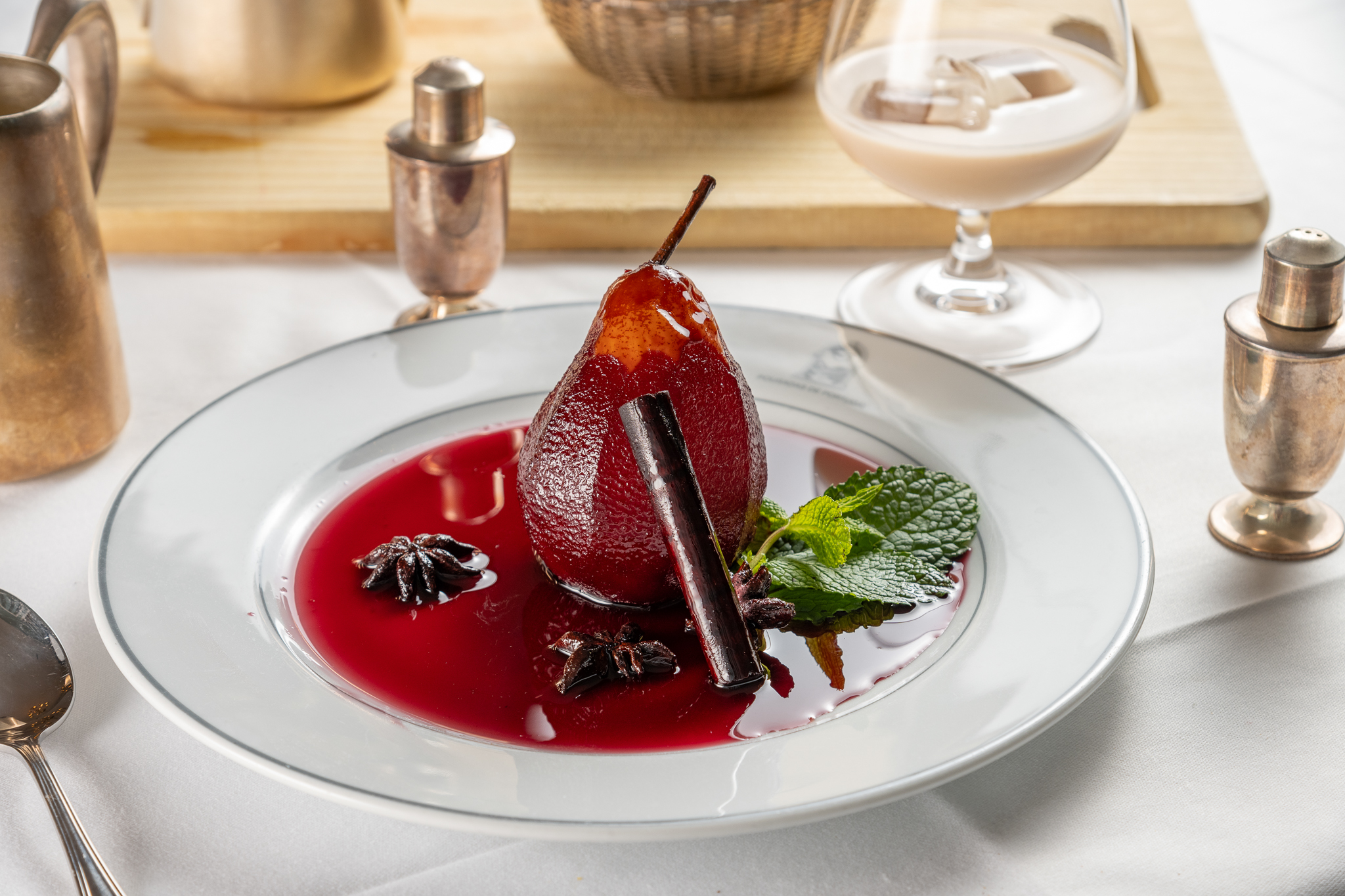
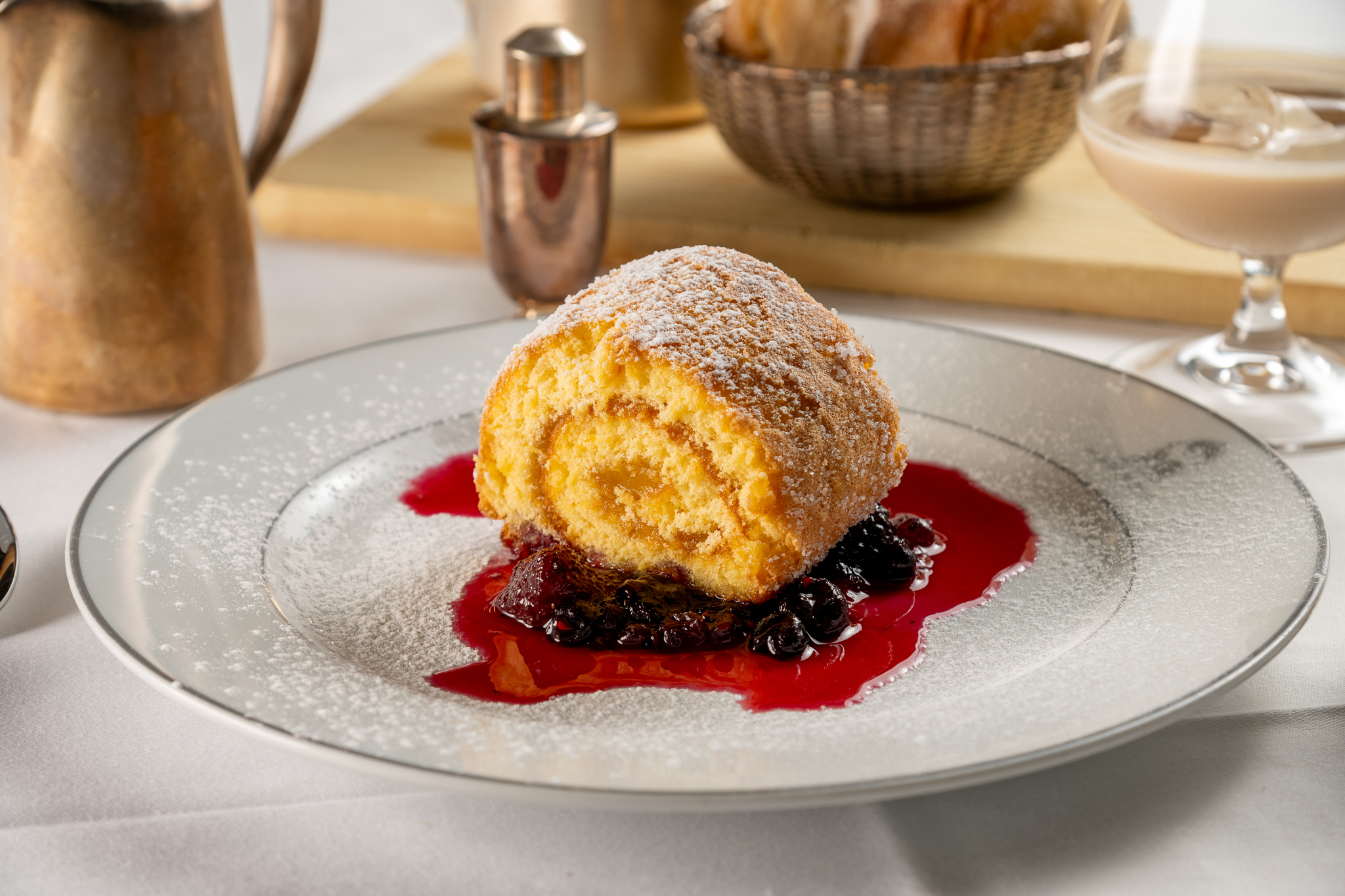
I go down to the restaurant when the afternoon light comes in from the side through the windows — my favourite hour for food. The table set, the silverware gleaming, and the dishes arriving one by one. Food photography is a race against time: the plate has a short life, the steam vanishes, the leaf wilts. You have to have everything ready before it leaves the kitchen — and know exactly where to place the light so the sauce shines and the texture comes through.
Here comes the classic dessert, the pear poached in red wine resting in the deep plate; here comes the wine service, the decanter raised against the window. Each dish asks for a different kind of listening: dessert wants delicacy, wine wants depth, meat wants texture. It’s in that back-and-forth between kitchen and table that food photography reveals what it is — an entire specialty within the shoot, with its own technique, its own rhythm, its own time.
O café da manhã: a fartura com vista
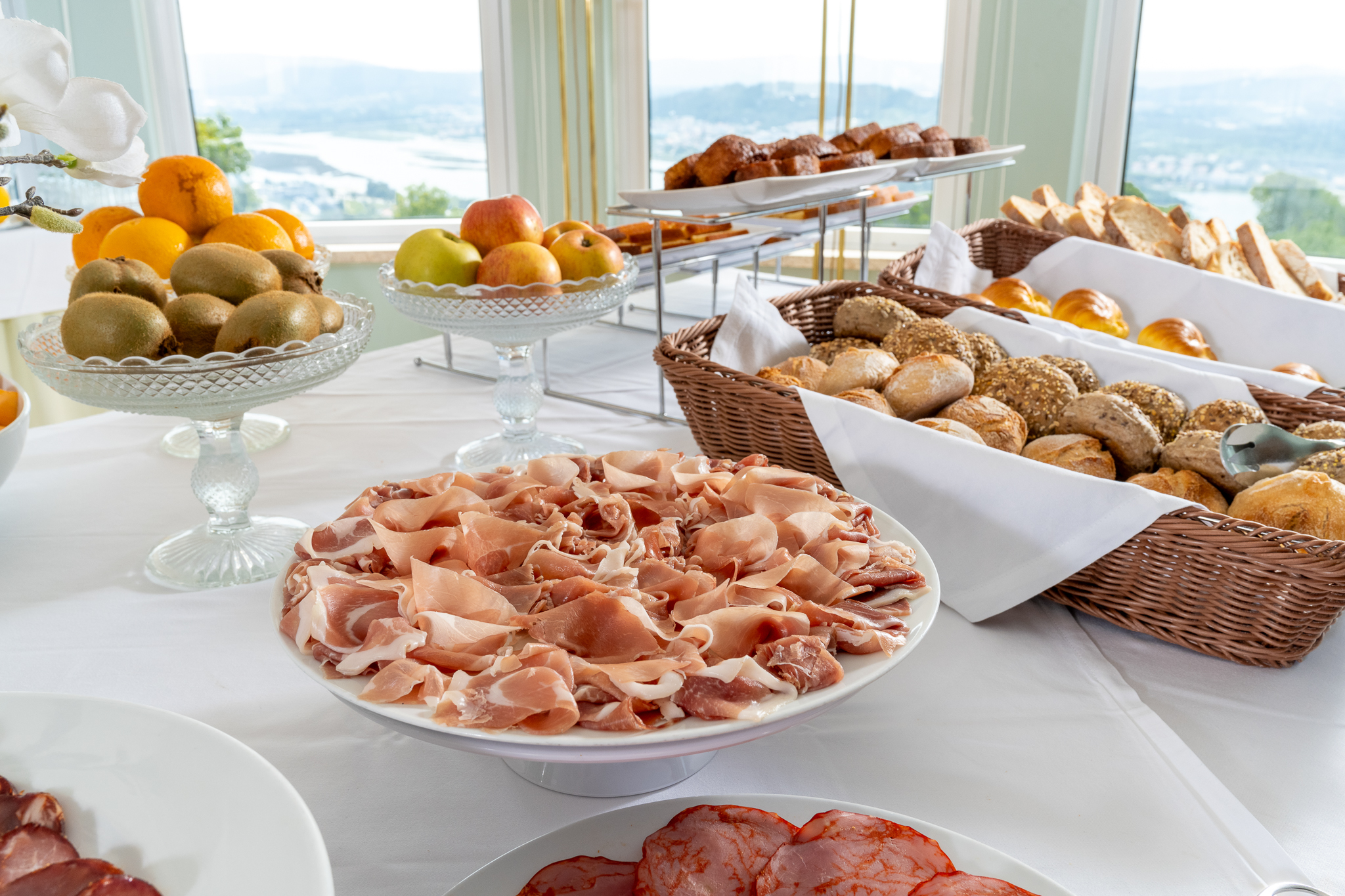
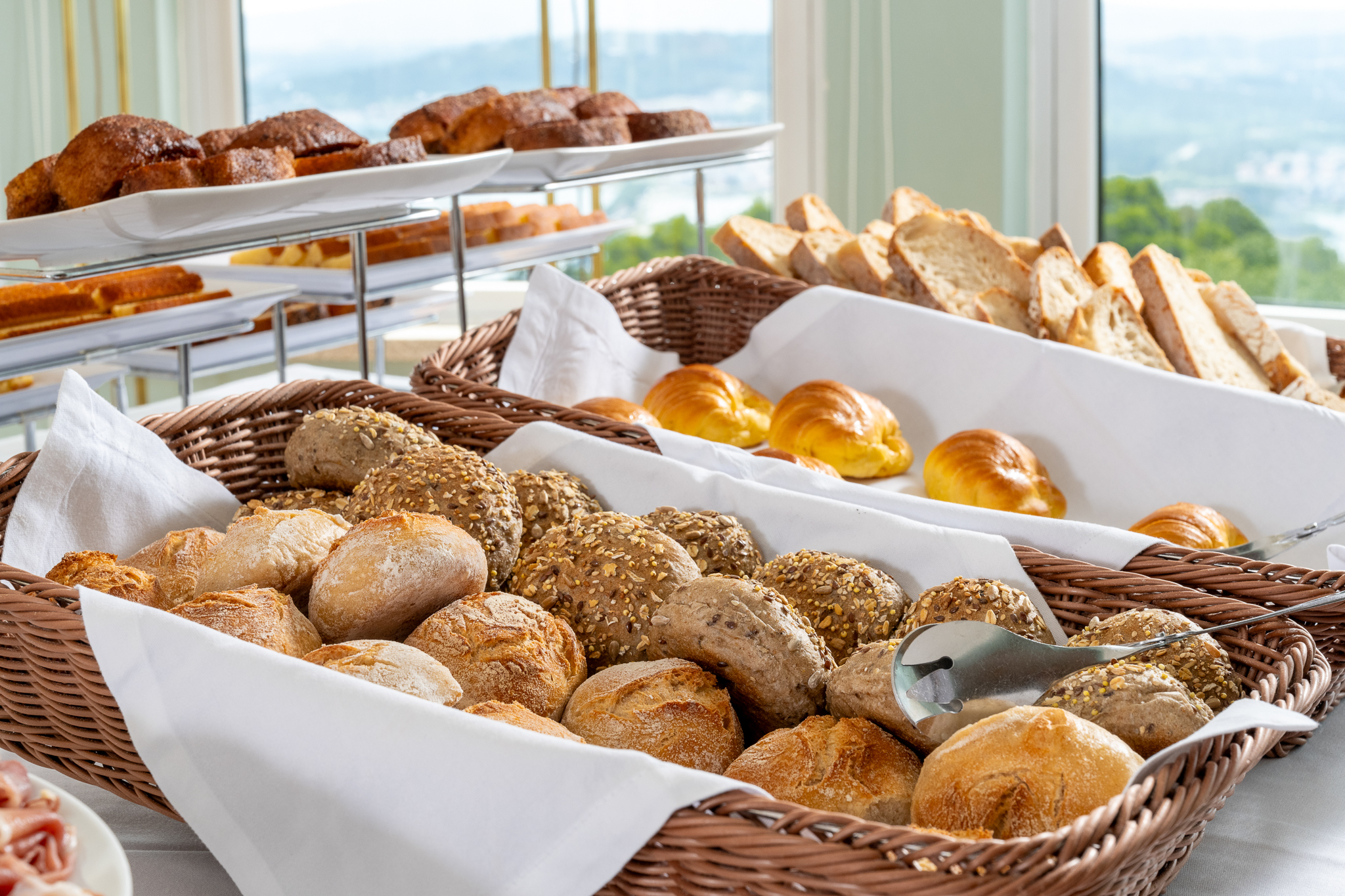
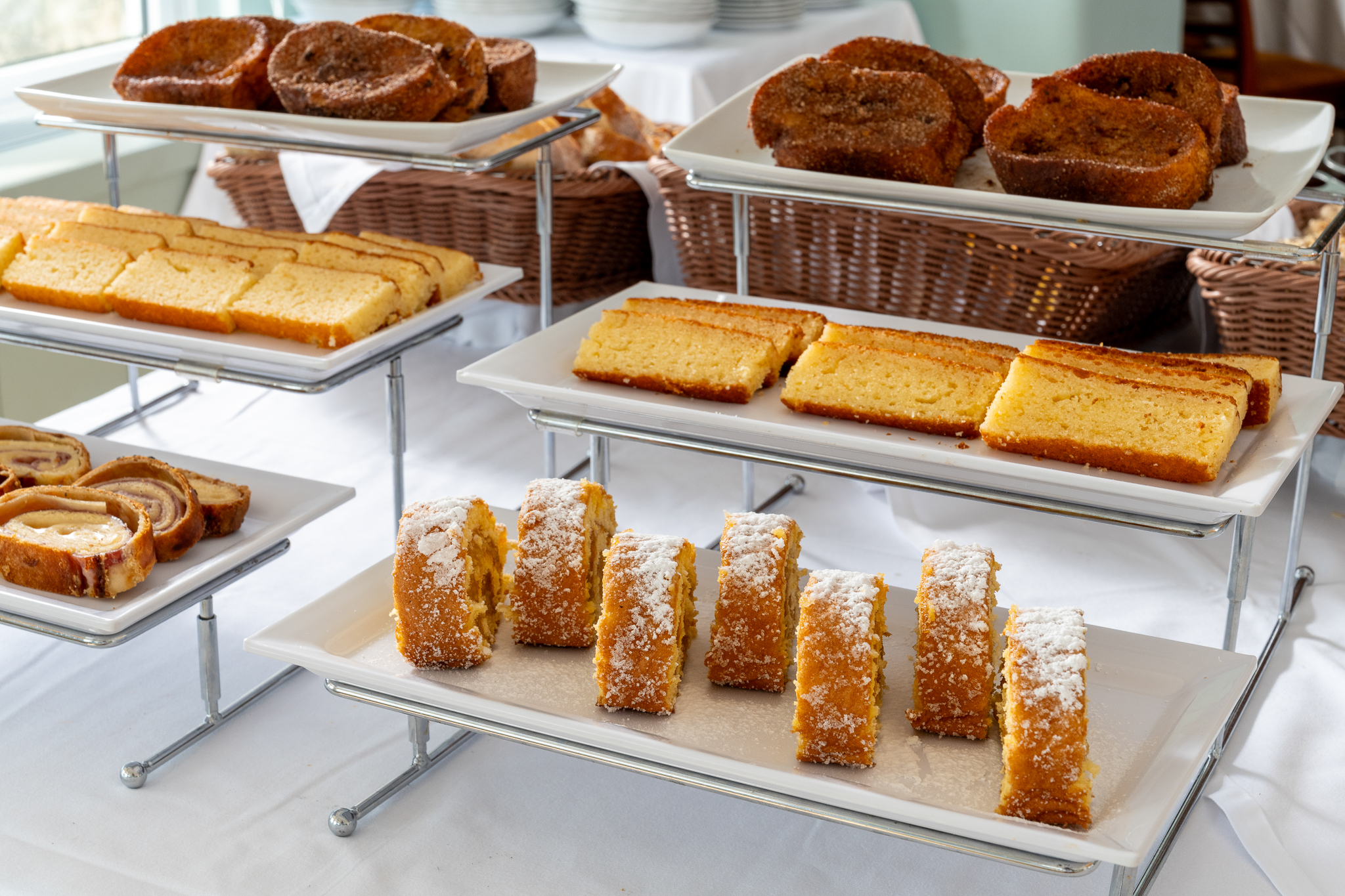
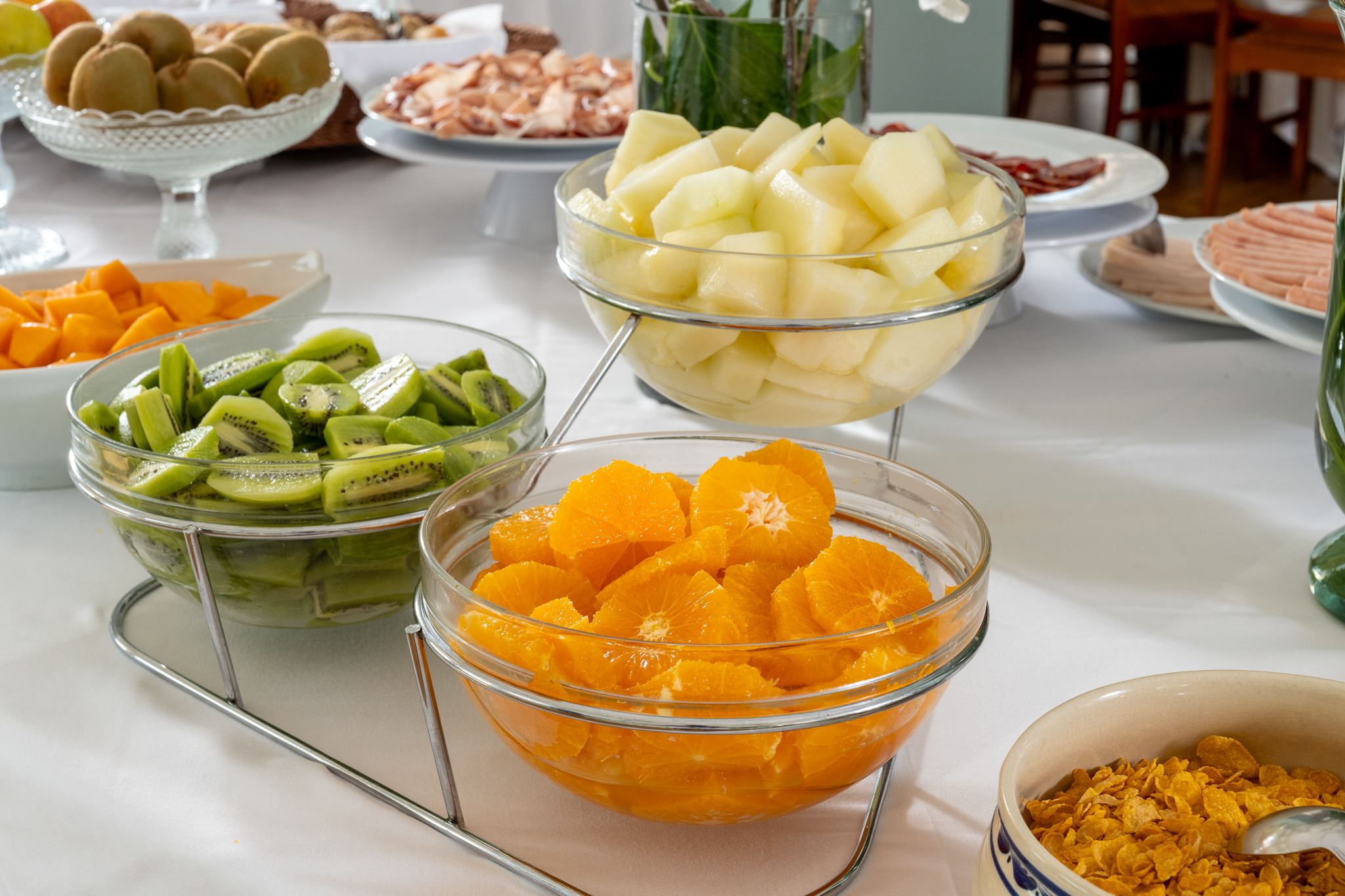
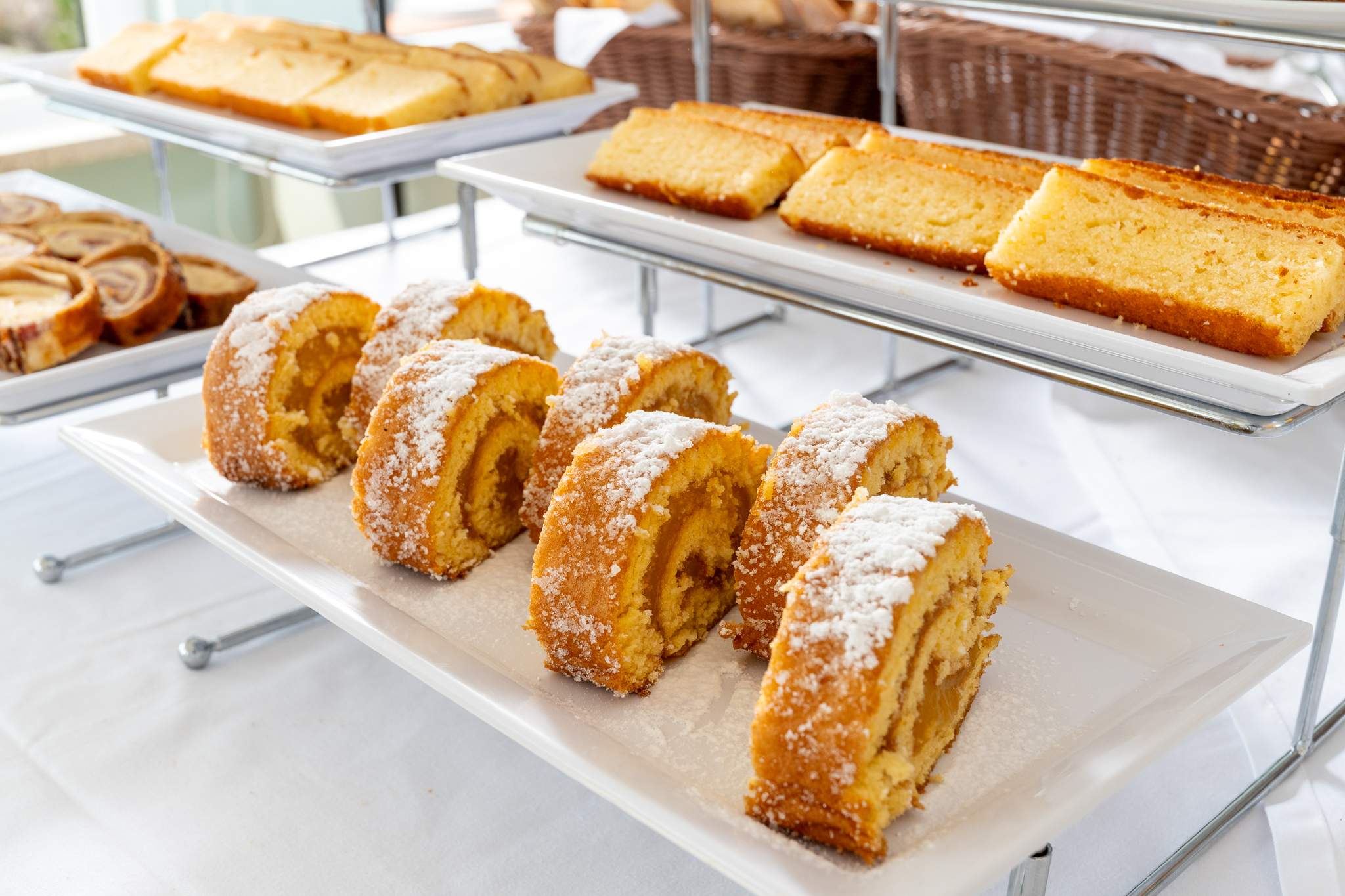
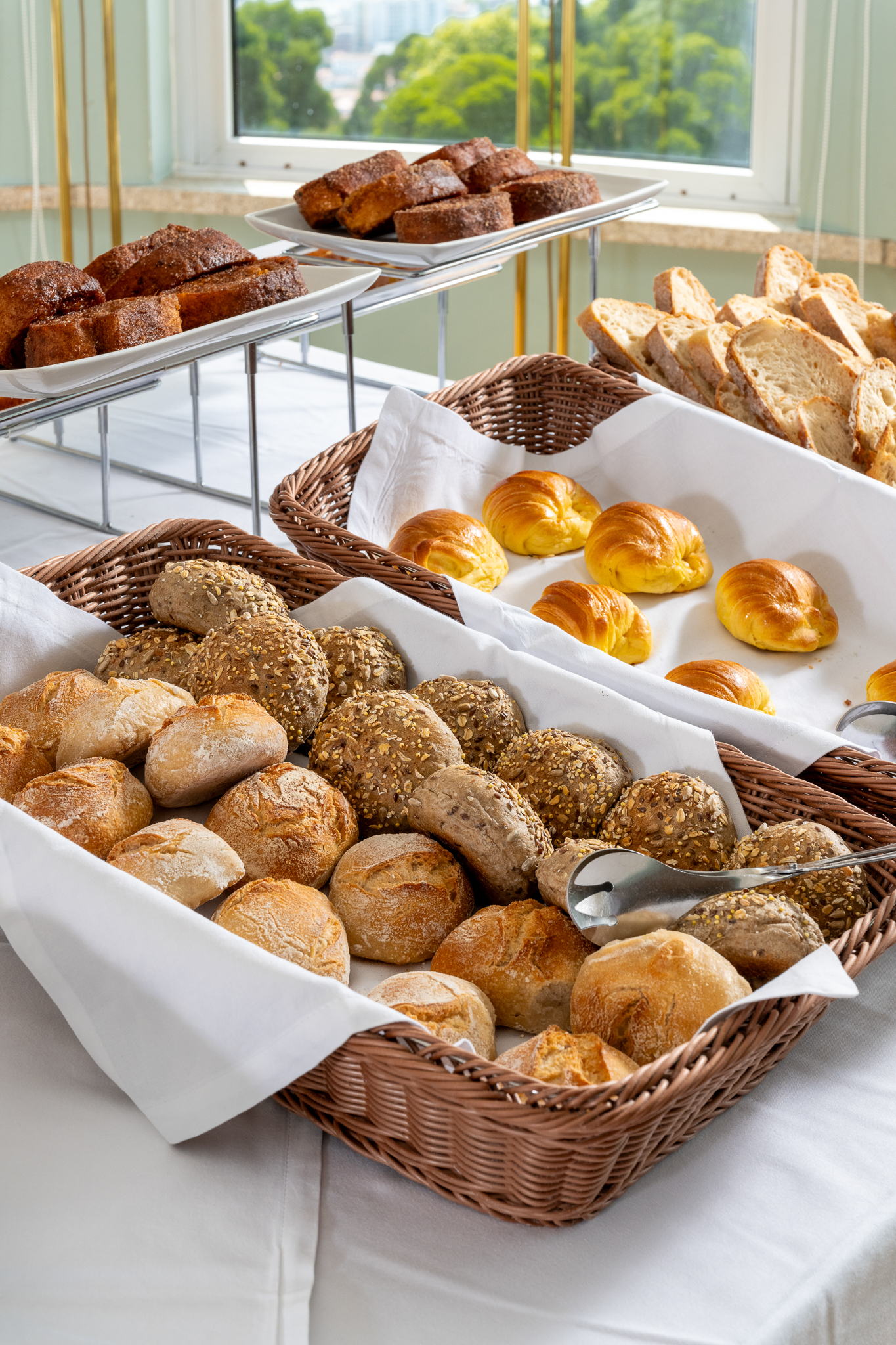
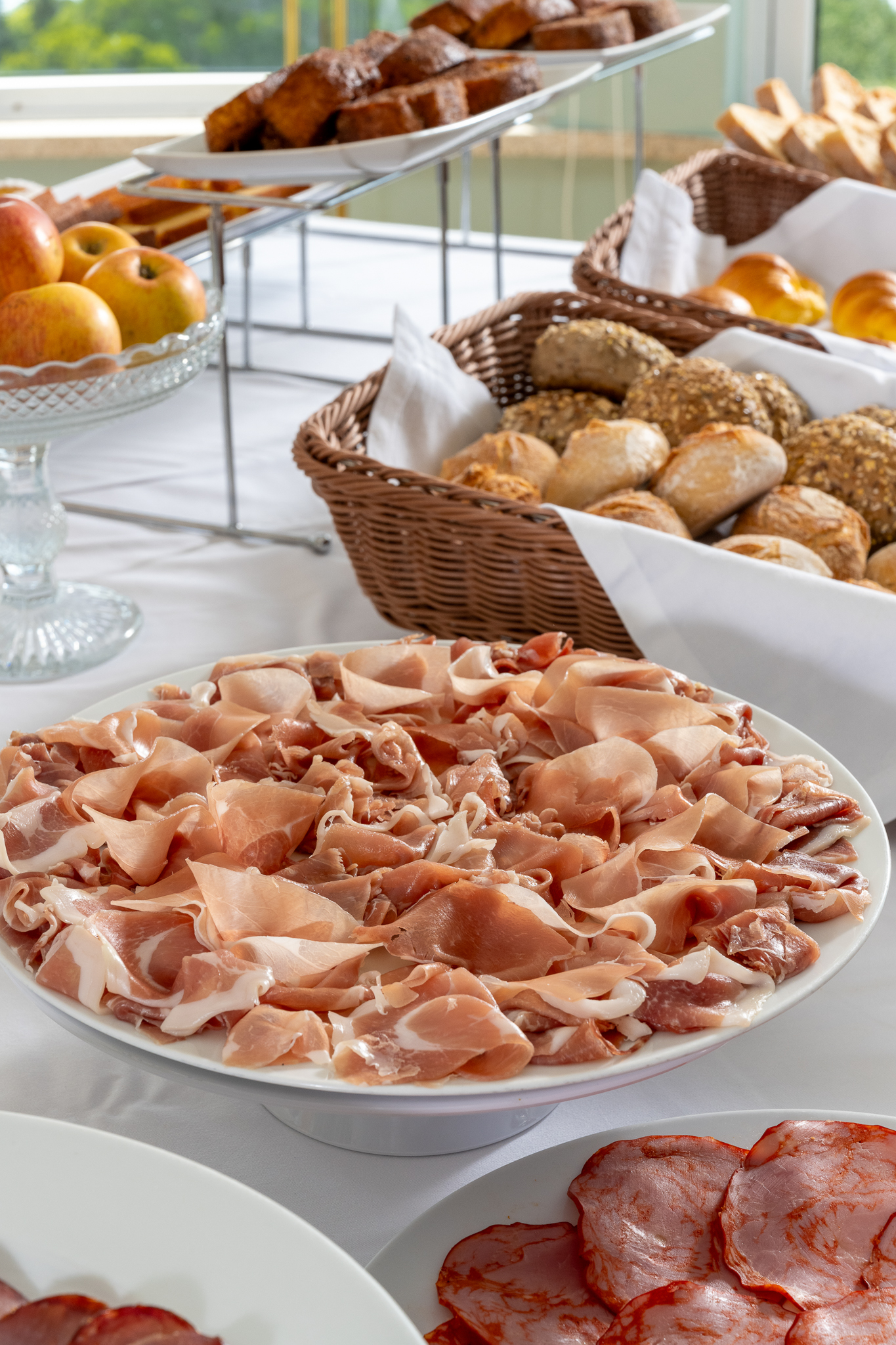
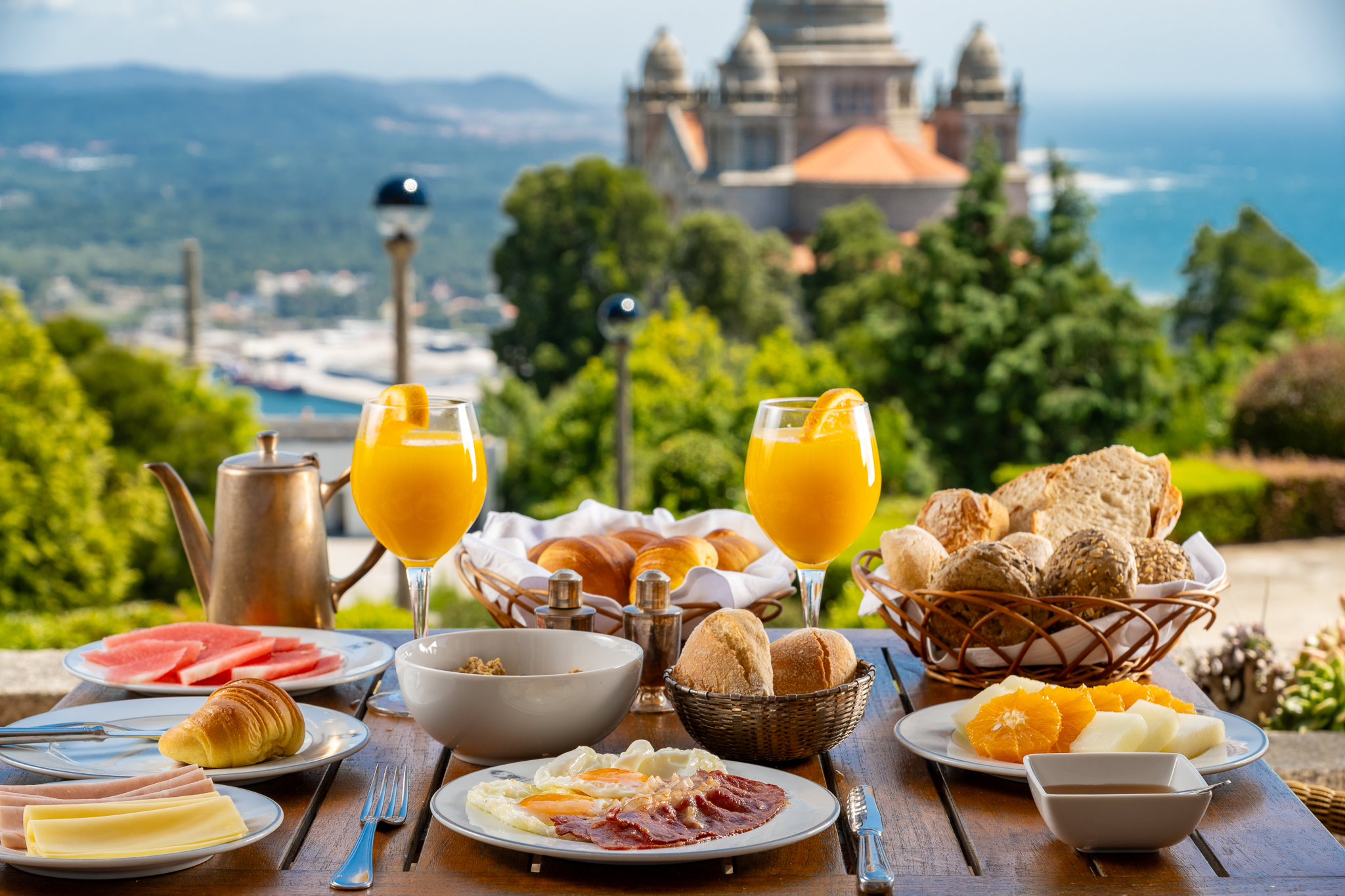
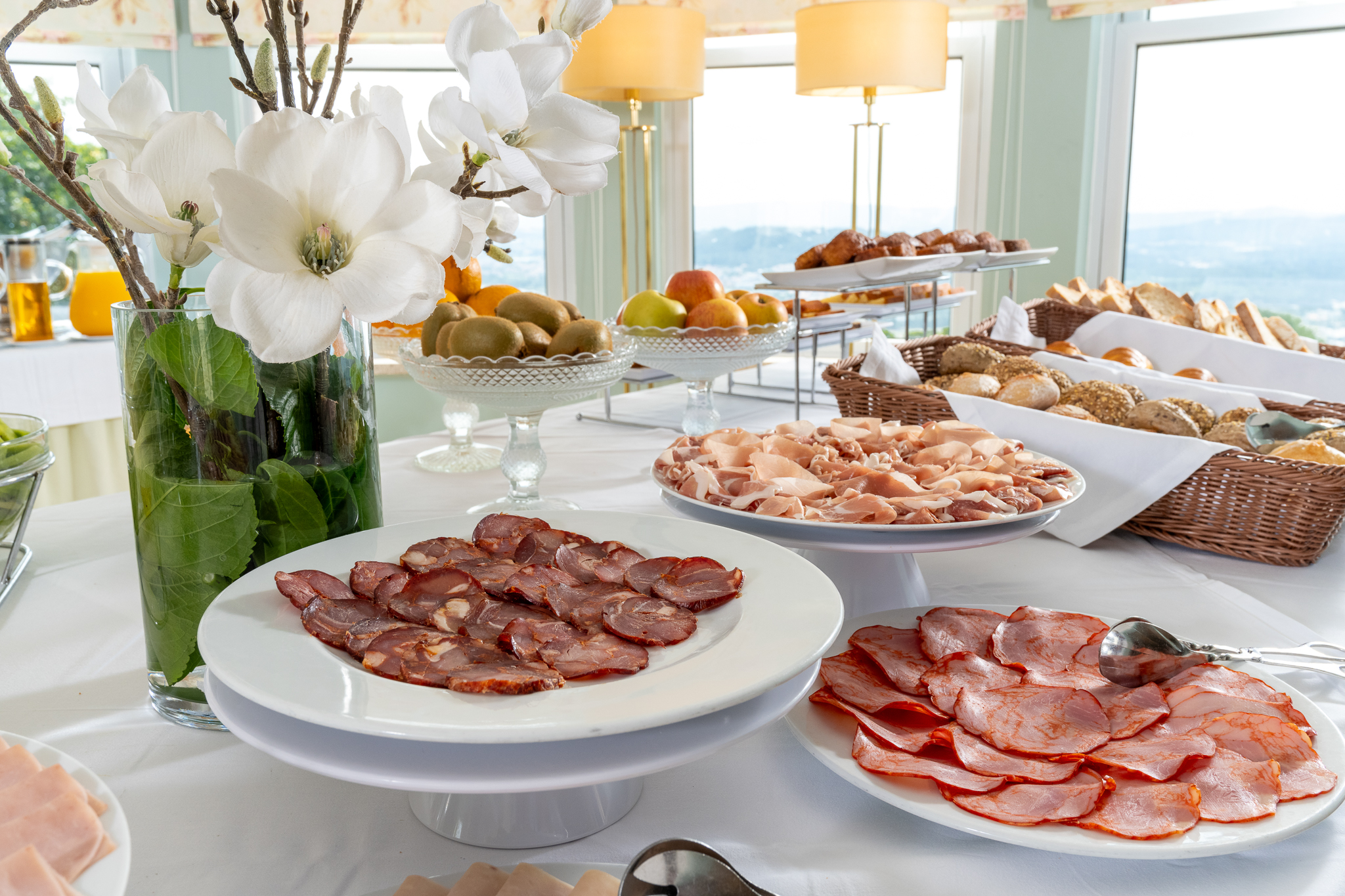
If there’s a moment when the pousada breathes, it’s in the morning. The buffet stretches out in layers — boards of cheese, bread still warm, cold cuts, fruit, pastries — and the room opens to the landscape. But the image that sums it all up is out there: the table set on the terrace, the colourful juices, and in the background the sanctuary and the city sloping down to the river. It’s the kind of photo that doesn’t sell a breakfast: it sells the desire to wake up right there.

Lifestyle: vender a sensação, não o objeto
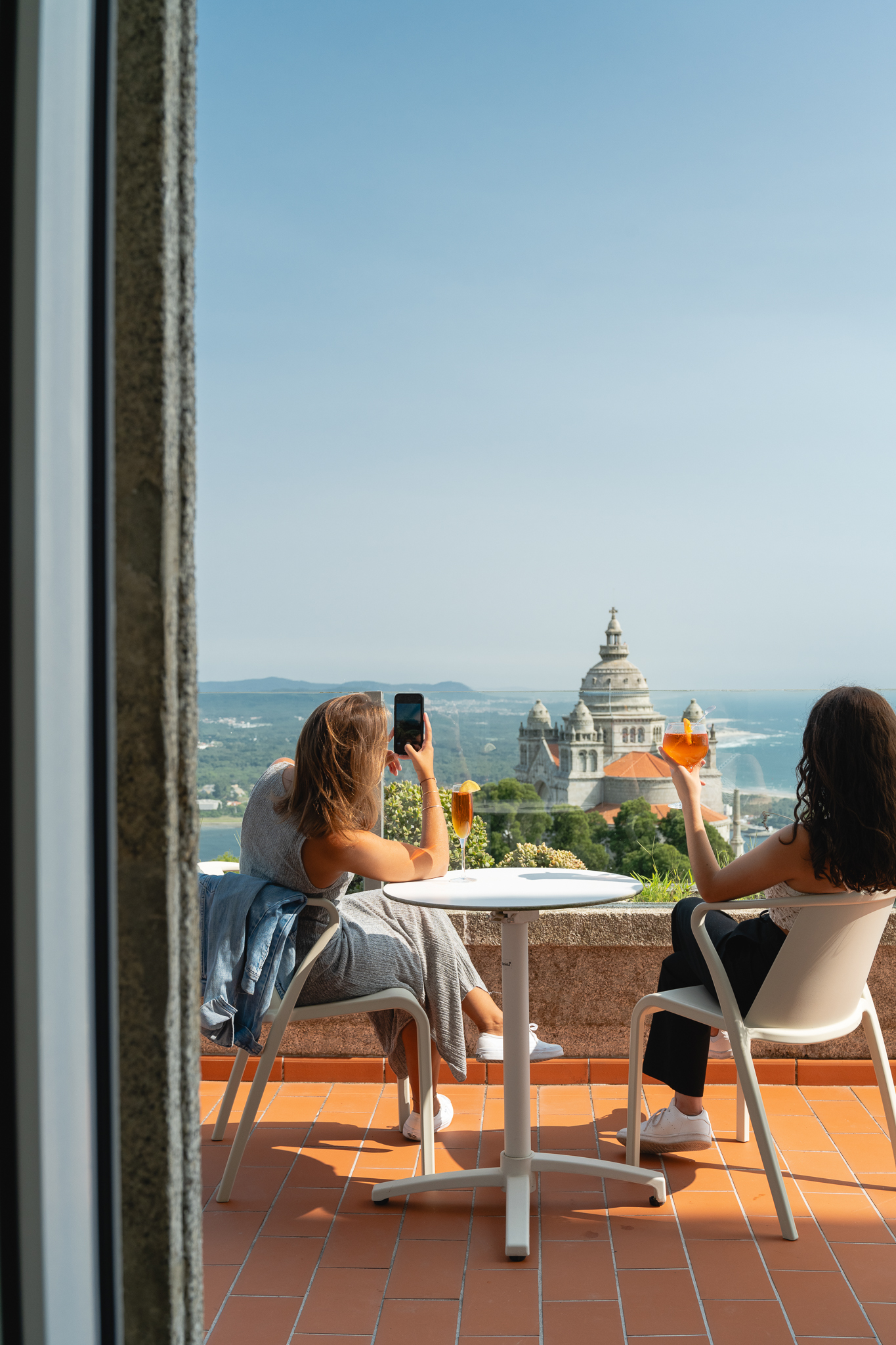
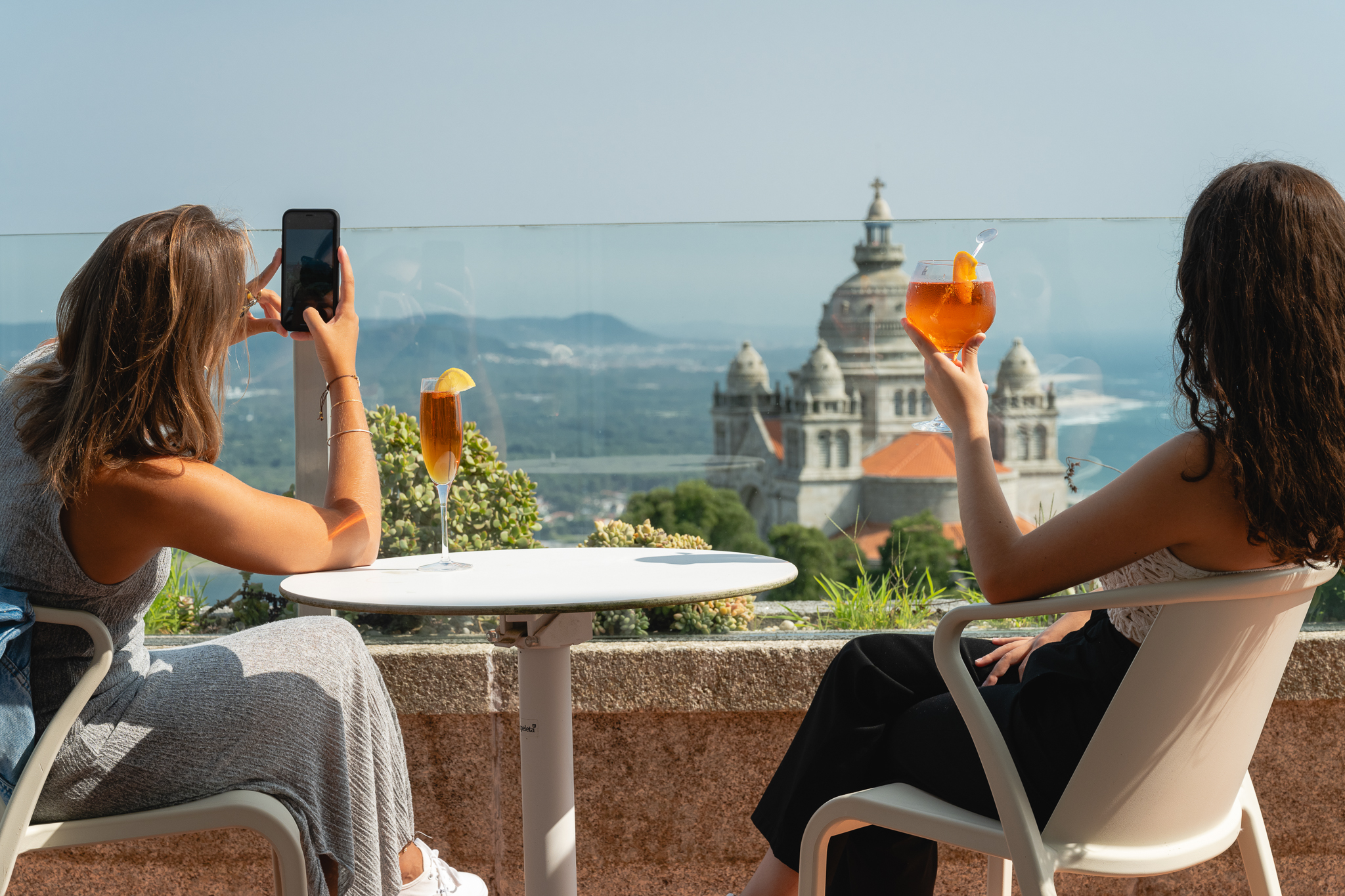
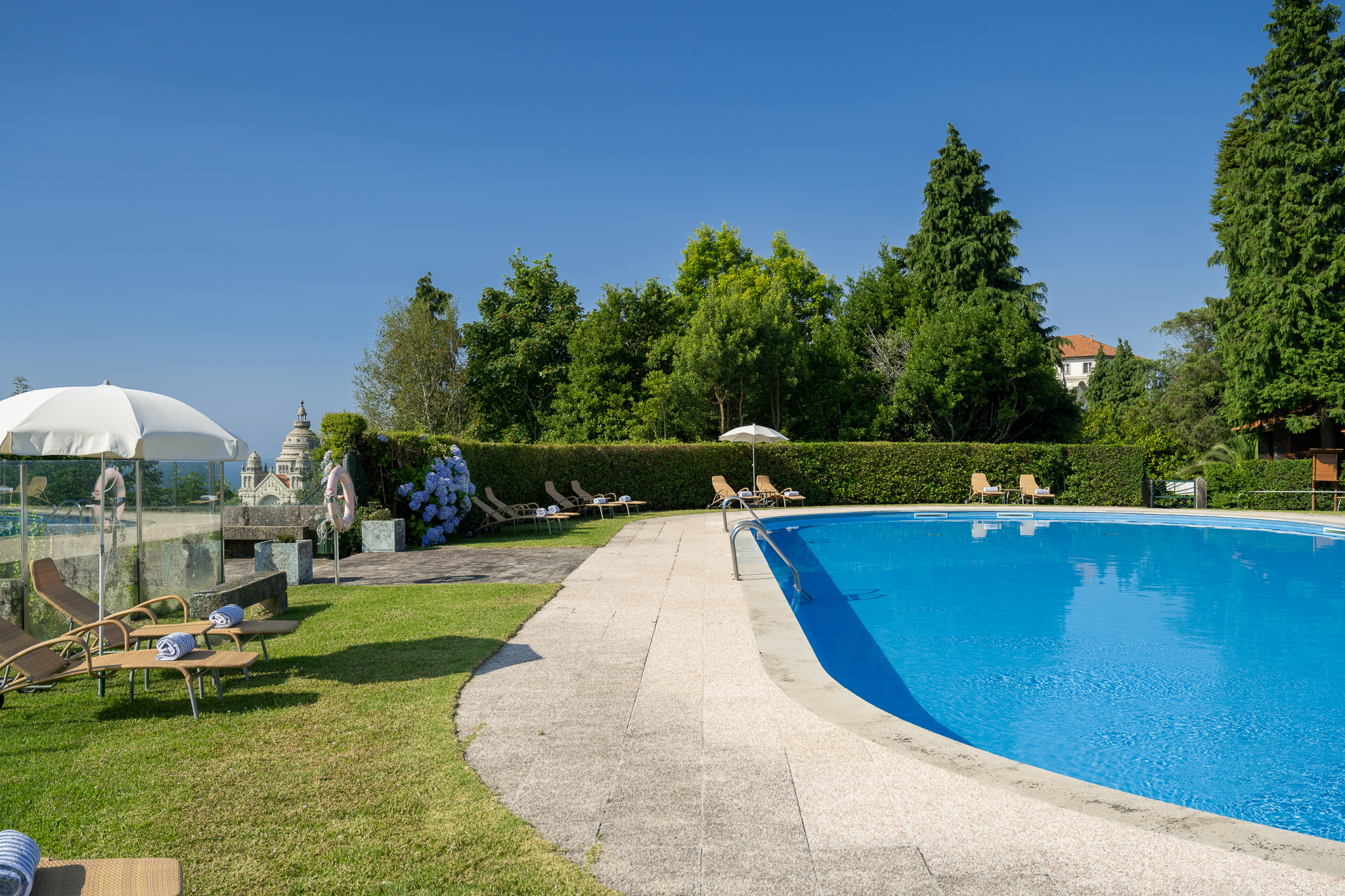
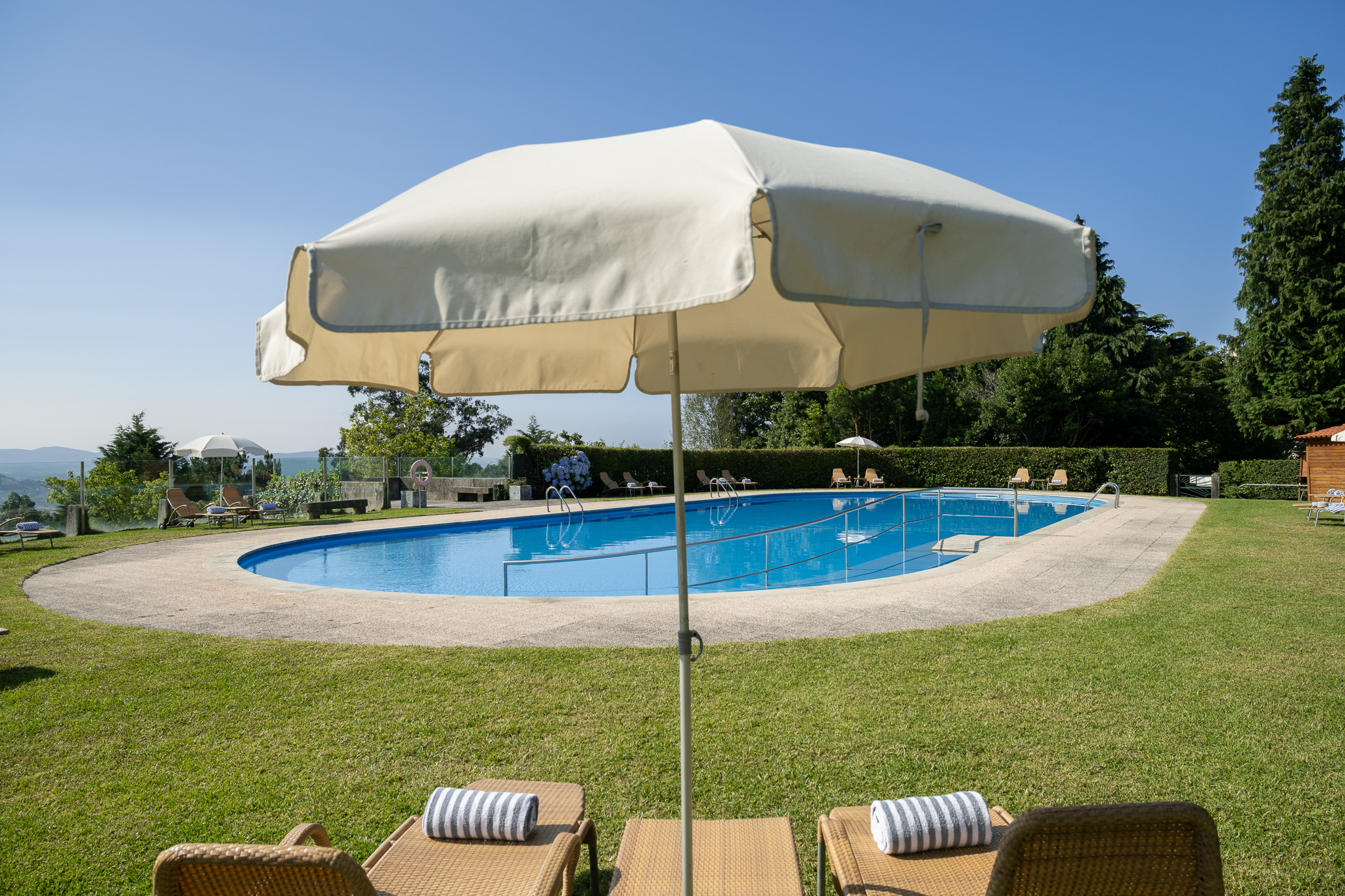
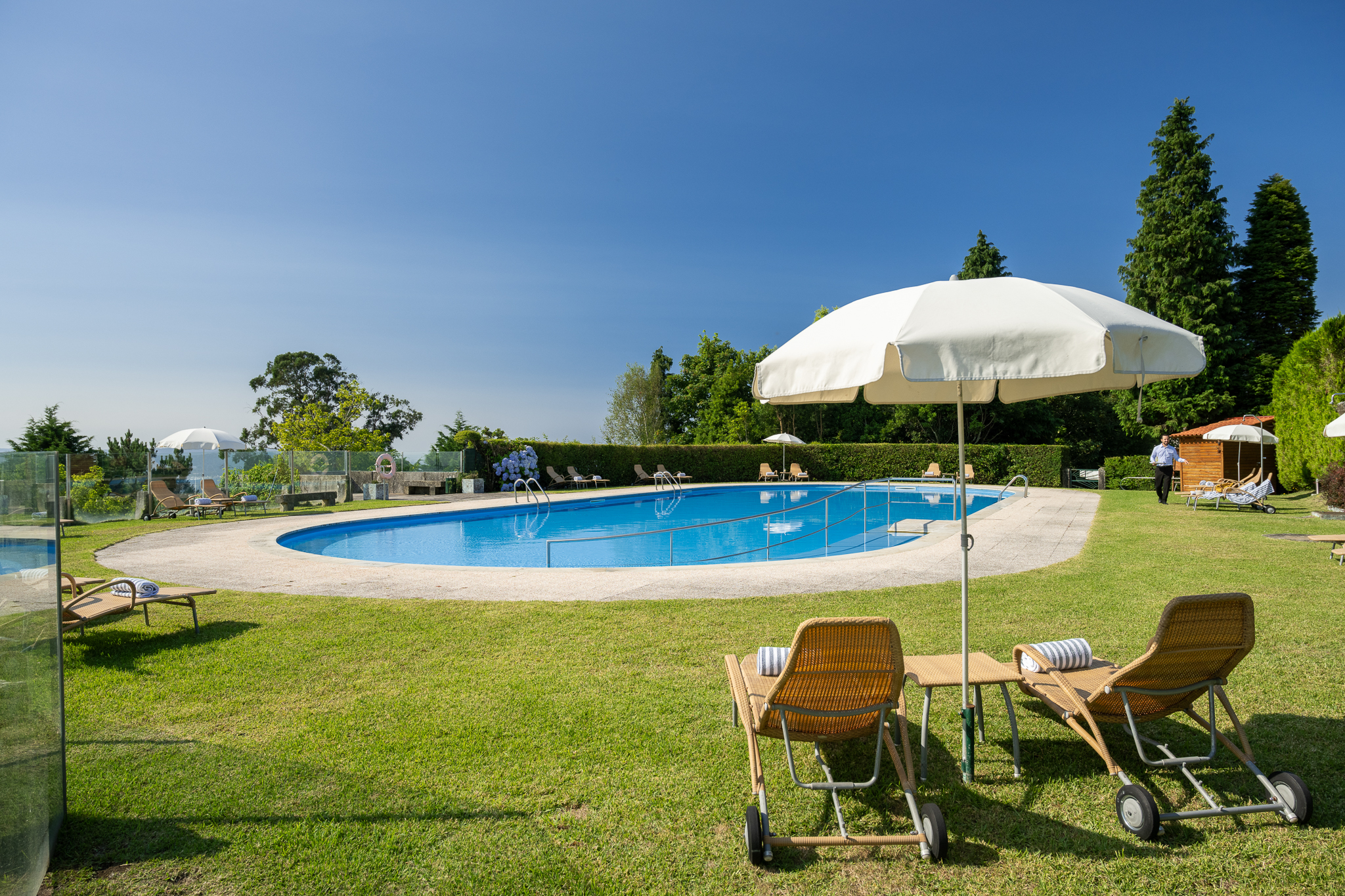
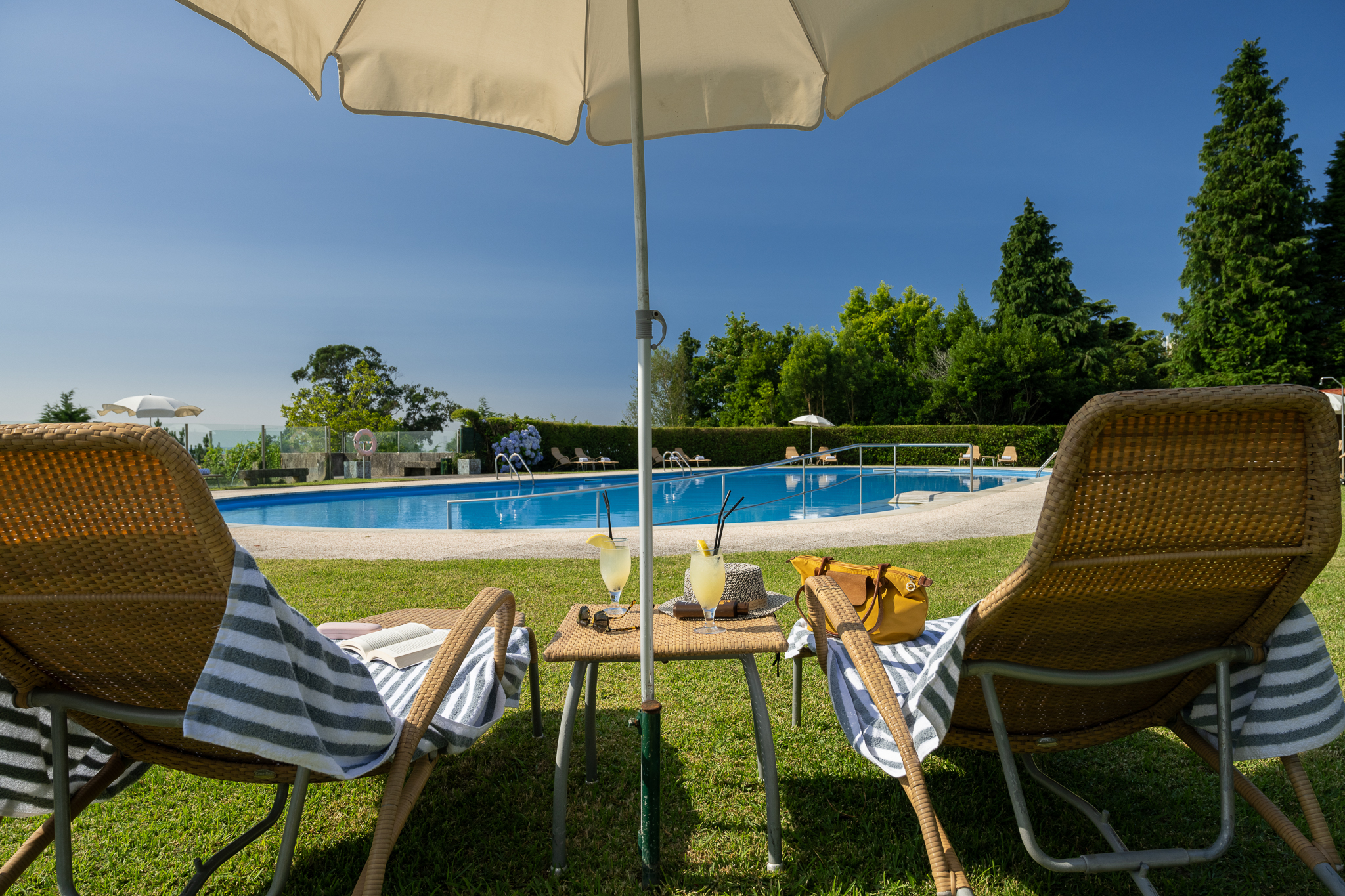
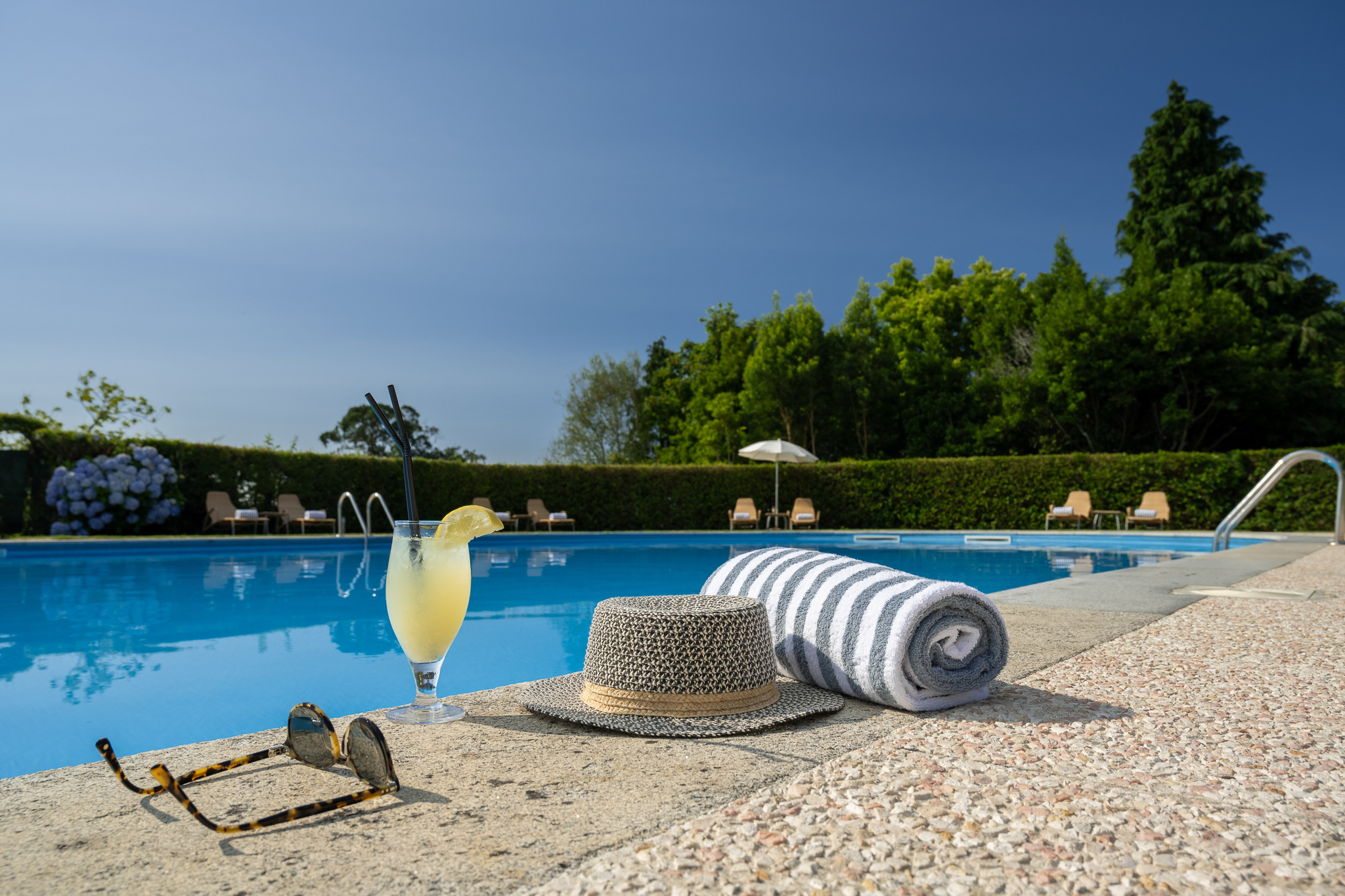
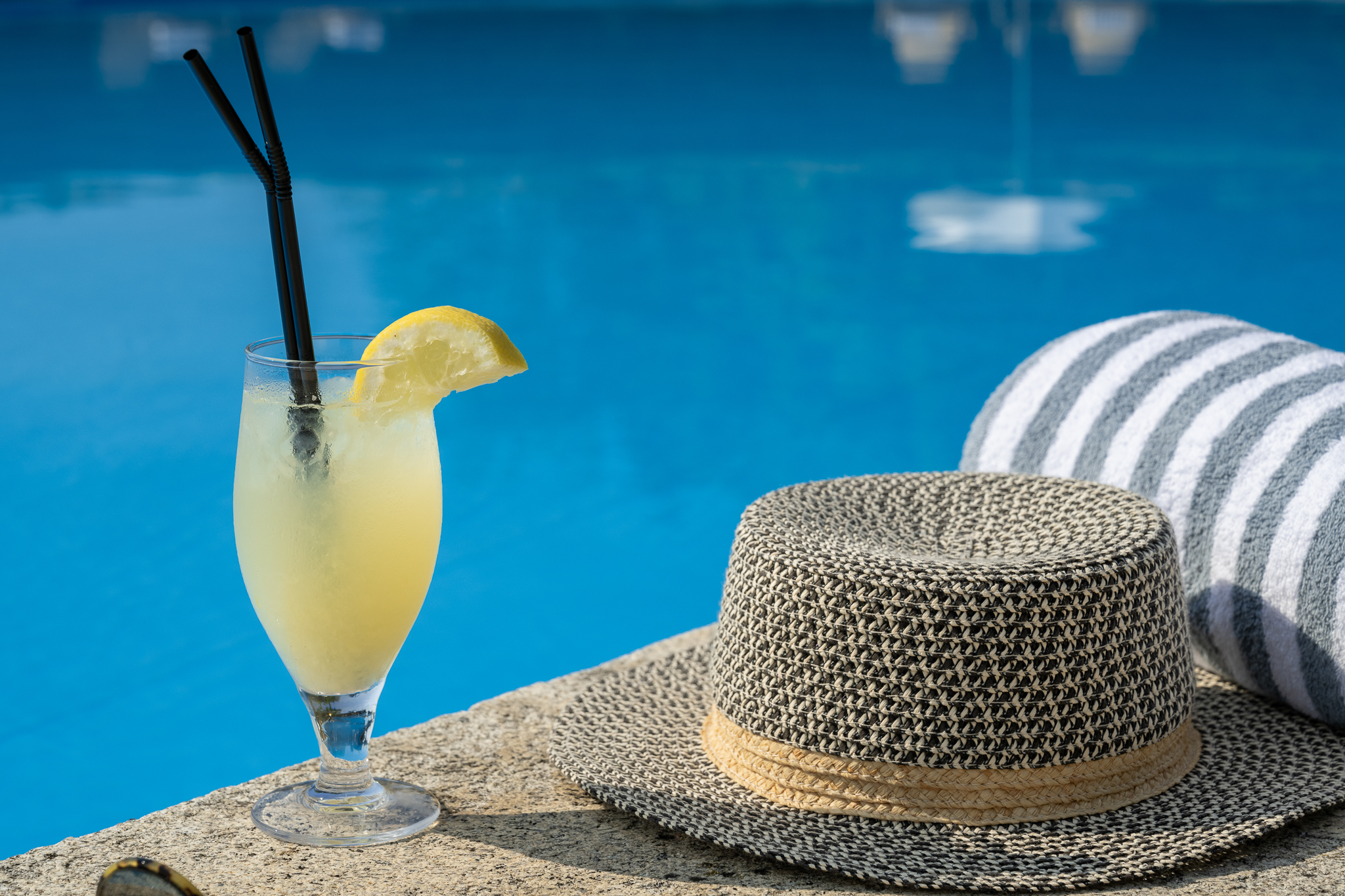
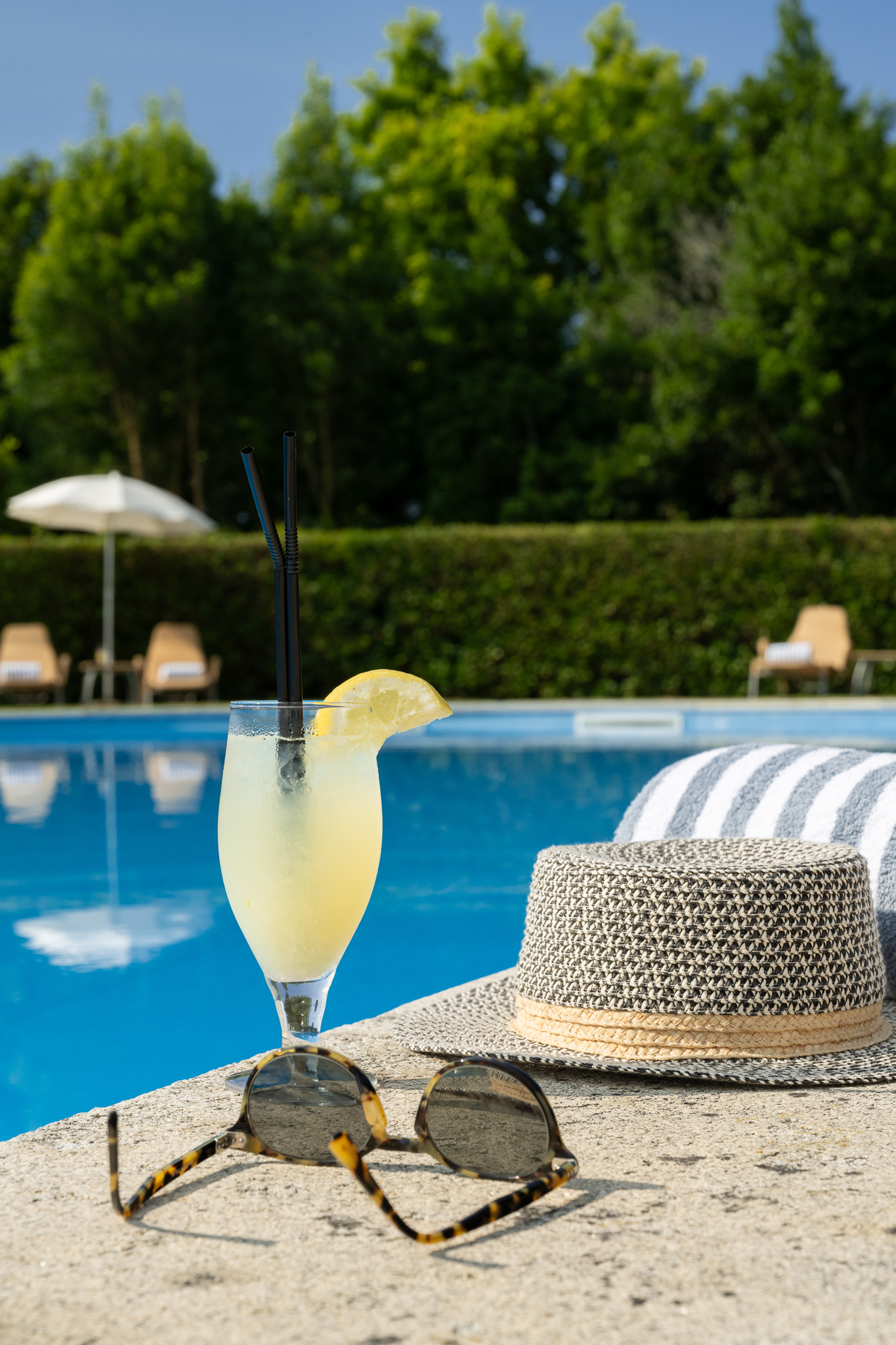
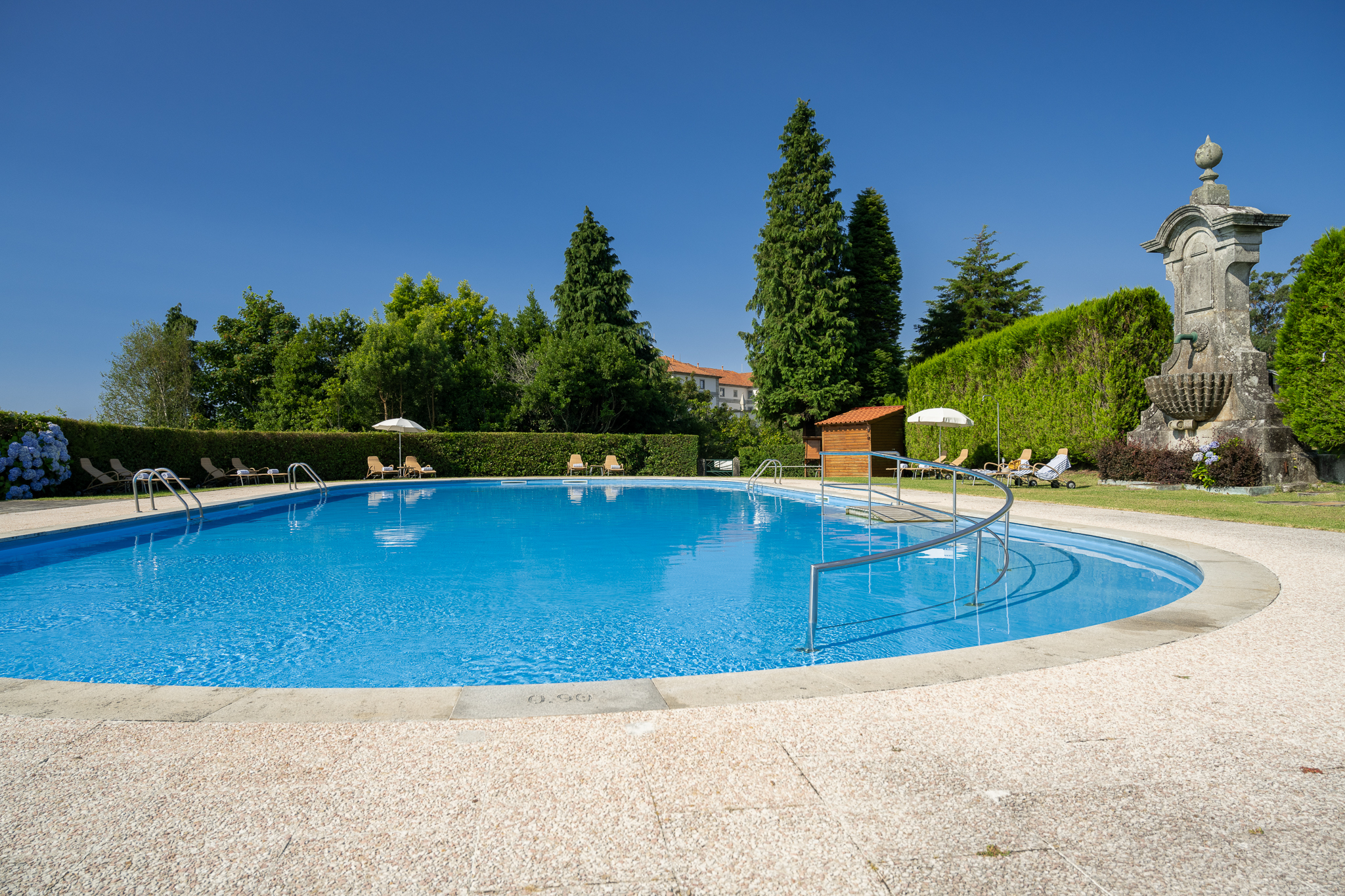
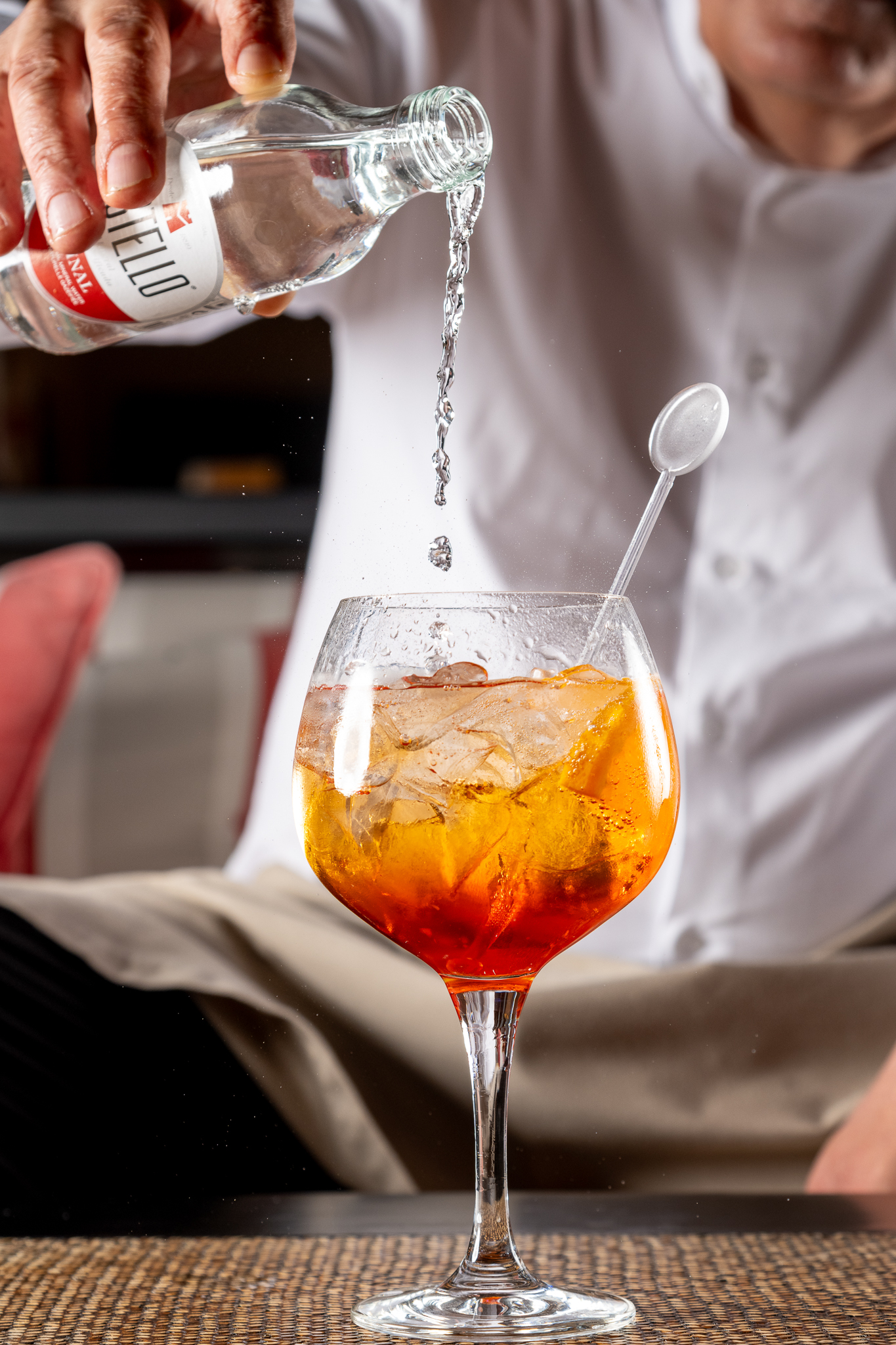
In the afternoon, the pool. The greenery around it, the striped loungers, a spritz sweating in the heat, someone admiring the view from the terrace with a phone camera in hand. Lifestyle is the subtlest language of all — you don’t photograph an object, you photograph a feeling. It demands light direction of people, timing, and the ability to make the planned look spontaneous. It’s what turns a hotel into a destination.
And this is also where the surroundings come in: the city down below, the culture, the street. Because sometimes what makes a guest choose Viana isn’t the room — it’s everything that exists around it.
O que esse dia me ensina sobre o ofício (e sobre cobrar por ele)
When I finish and look back, I realise what really happened up on that hilltop: in a single property I photographed architecture, gastronomy, lifestyle, details, landscape — and, in many projects, drone, street and short videos for reels too. Hospitality isn’t one specialty. It’s several, gathered into a single day’s work.
And that’s exactly why there’s no single price list. A fair price is born of reasoning, not a memorised number: how many rooms and how many room types (this defines the days); whether there will be gastronomy and how large the menu is (food usually calls for a day of its own); whether there’s lifestyle, breakfast, landscaping, street and video (each front adds time and technique); and where it is — the reality of Portugal, Ireland or Brazil differs in market, cost and travel. The same work has different prices in each country.
There are also the operational constraints: when I can only start after midday, for example, the day yields less and the project stretches over more days to cover a large menu. And big projects add up: a multi-day job with a bit of everything — including short films for reels — closes at a very different figure from a single standalone day, precisely because it delivers a complete, multi-technique body of work.
The point I want you to take from here isn’t the number. It’s this: only those who truly master each of these areas can charge well. The average you’ll work with has to reflect your reality, your market and, above all, your technical command. Understand the process, map the scope, respect the reality of each place — and charge for the rare professional who can solve all of it on their own.
Encerramento
At the end of the day, I head down the mountain with full memory cards and the usual feeling: photographing a hotel is translating a place into desire. The Pousada de Viana do Castelo made that easy — you just had to know how to look. And it’s that eye, trained across a thousand different spaces, that is worth the price.
Have a property to photograph? Let’s talk about your project.