Every time someone asks me “Paulo, how do I get started in hotel photography?”, they expect me to talk about cameras, lenses, flashes. And I almost always answer with something else: it begins long before the equipment. It begins with the way you see.
This text is an invitation into the universe I chose more than fifteen years ago — a world where architecture, gastronomy, fashion, lifestyle, product and landscape all meet inside a single hotel. A world where one light, when truly understood, is capable of telling all of those stories at once.
Before the camera comes the eye
I come from the backlands of Pernambuco, from São José do Belmonte. Long before any five‑star hotel, what I had was the harsh midday light cracking the ground and the soft late‑afternoon light coming through the window of my home. It was there, without realizing it, that I learned the first and most important lesson of all: photography is light — and everything else is a consequence of it.
Anyone who wants to start in hotel photography needs to understand this from day one. The most expensive camera in the world won’t save someone who hasn’t learned to see. The eye comes first: noticing how light hits a wall, how a shadow gives volume to a dish, how the morning sun turns an ordinary room into an invitation. Train the eye before you train the finger on the shutter.
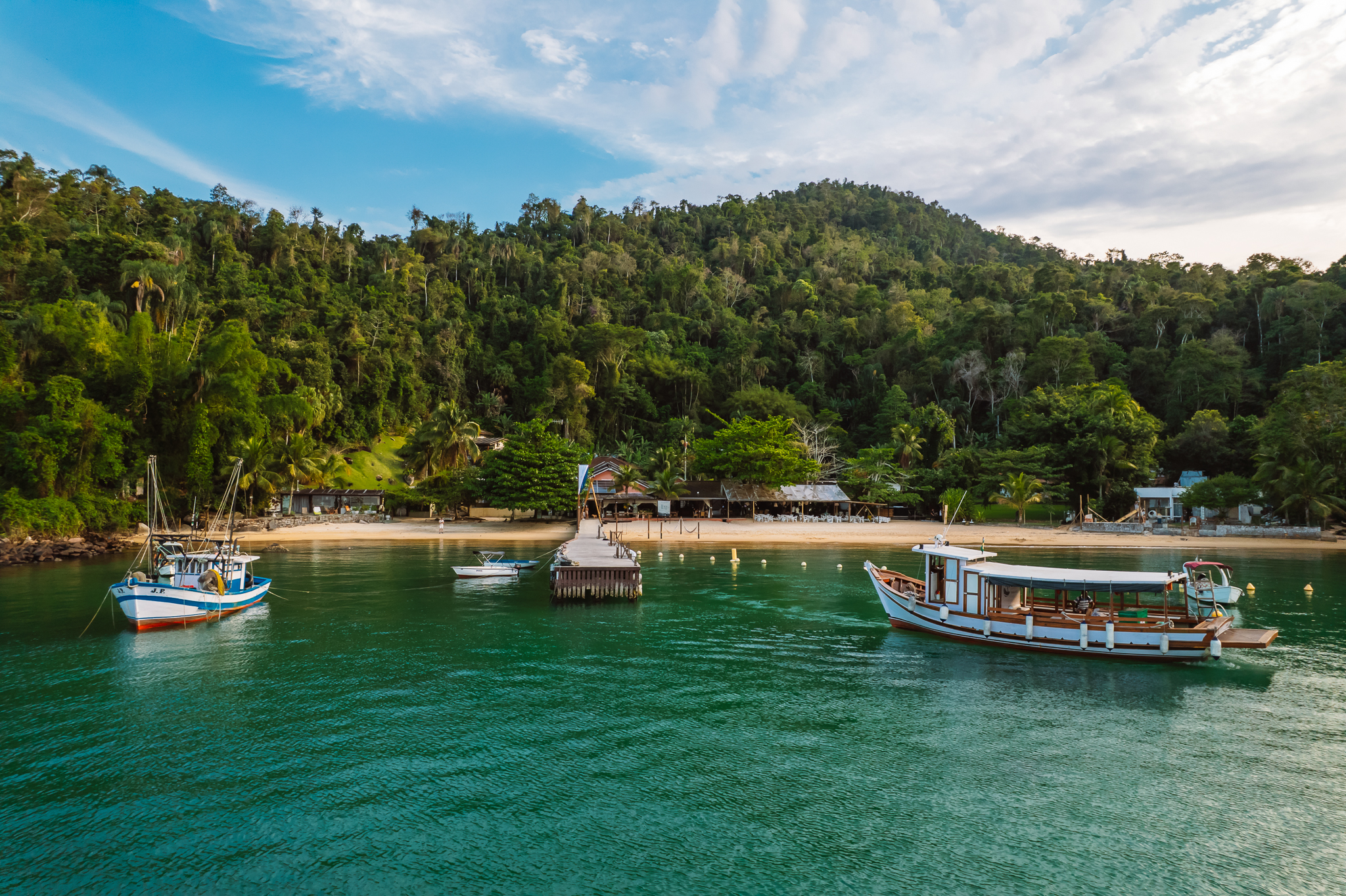
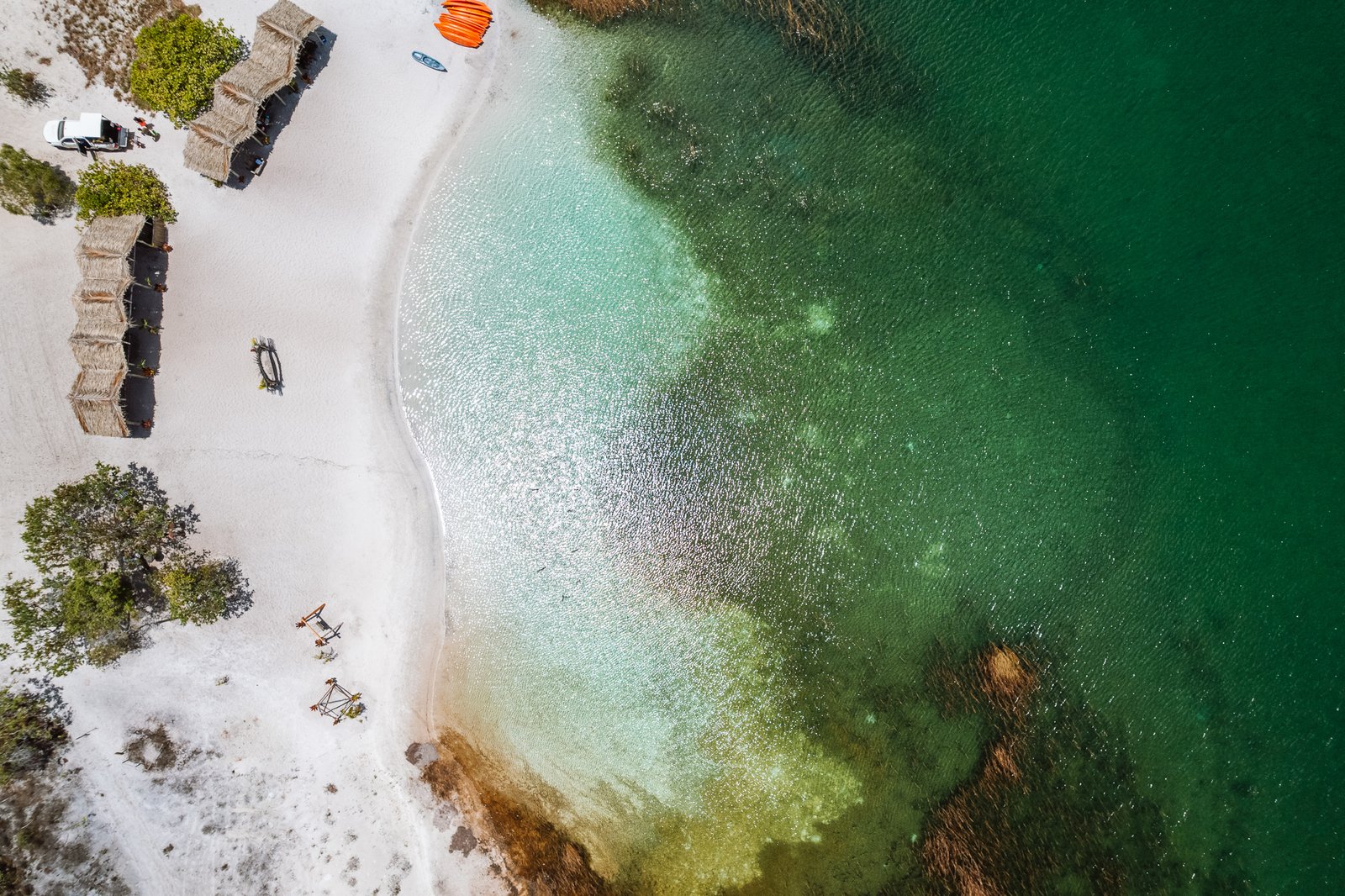
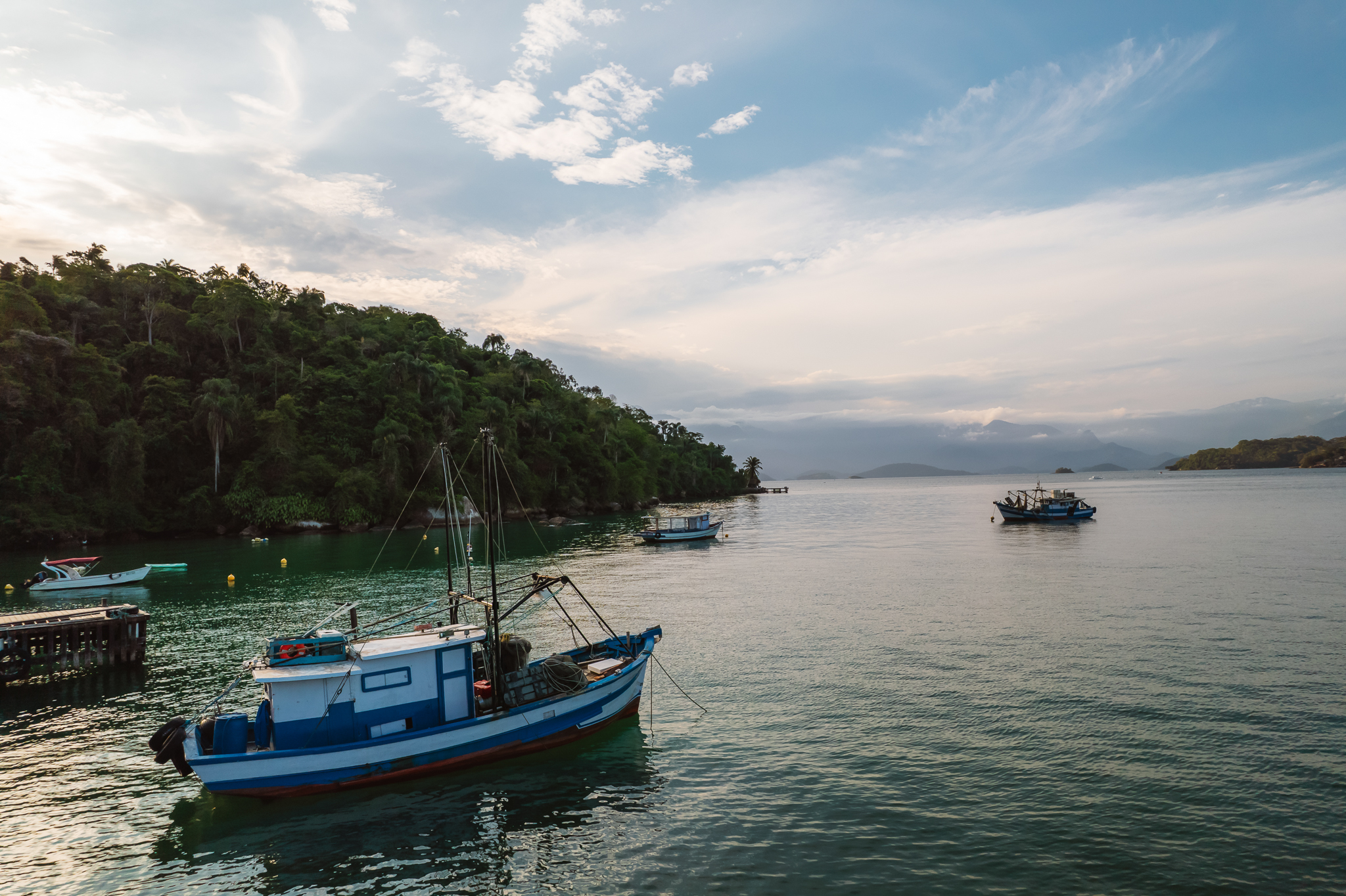
Before you master the camera, learn to see. Technique comes later; the eye comes first.
A single light — the signature that turns a beginner into an author
When I truly began to study, I fell in love with three names who never held a camera: Caravaggio, Rembrandt and Vermeer. They painted with a single source of light and still created depth, drama and emotion. I turned that into my signature: one light, controlled, able to sculpt any environment.
This is perhaps the most valuable tip for anyone starting out. You don’t need ten flashes or an entire studio. You need to deeply understand what one source does to matter — the softness of a fabric, the shine of a sauce, the texture of ancient stone. Mastering a single light is what separates someone who takes pictures from someone who builds images.
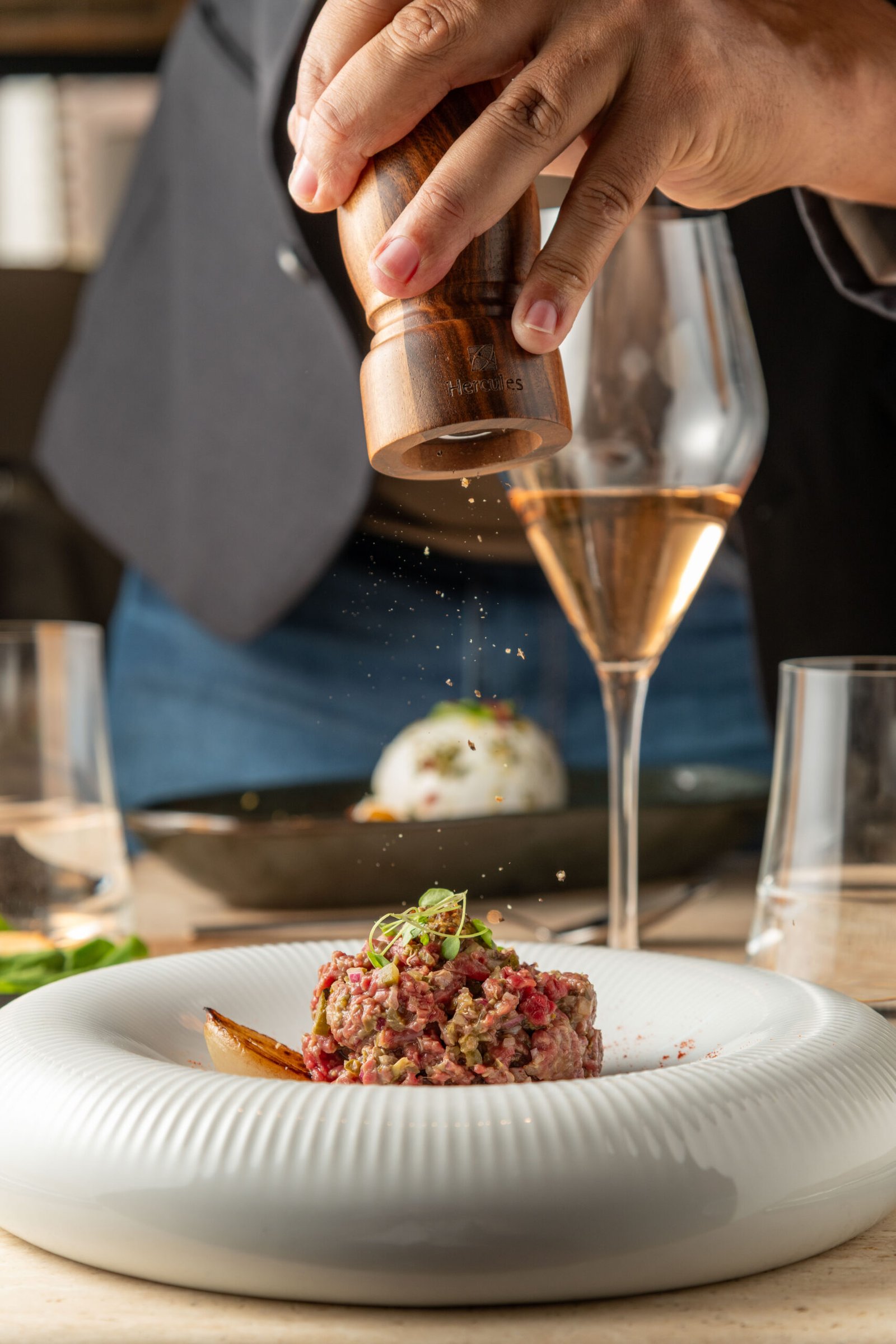
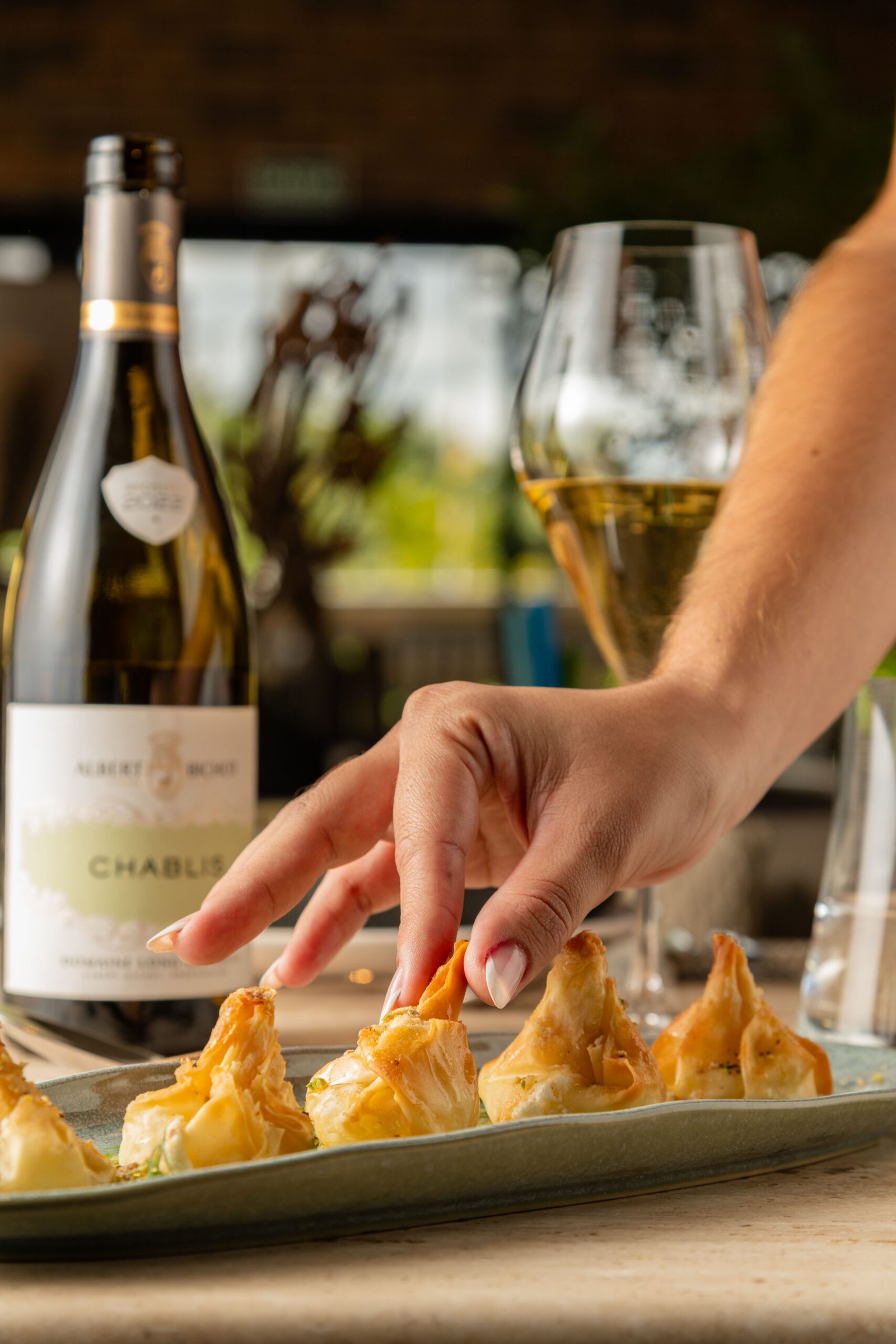
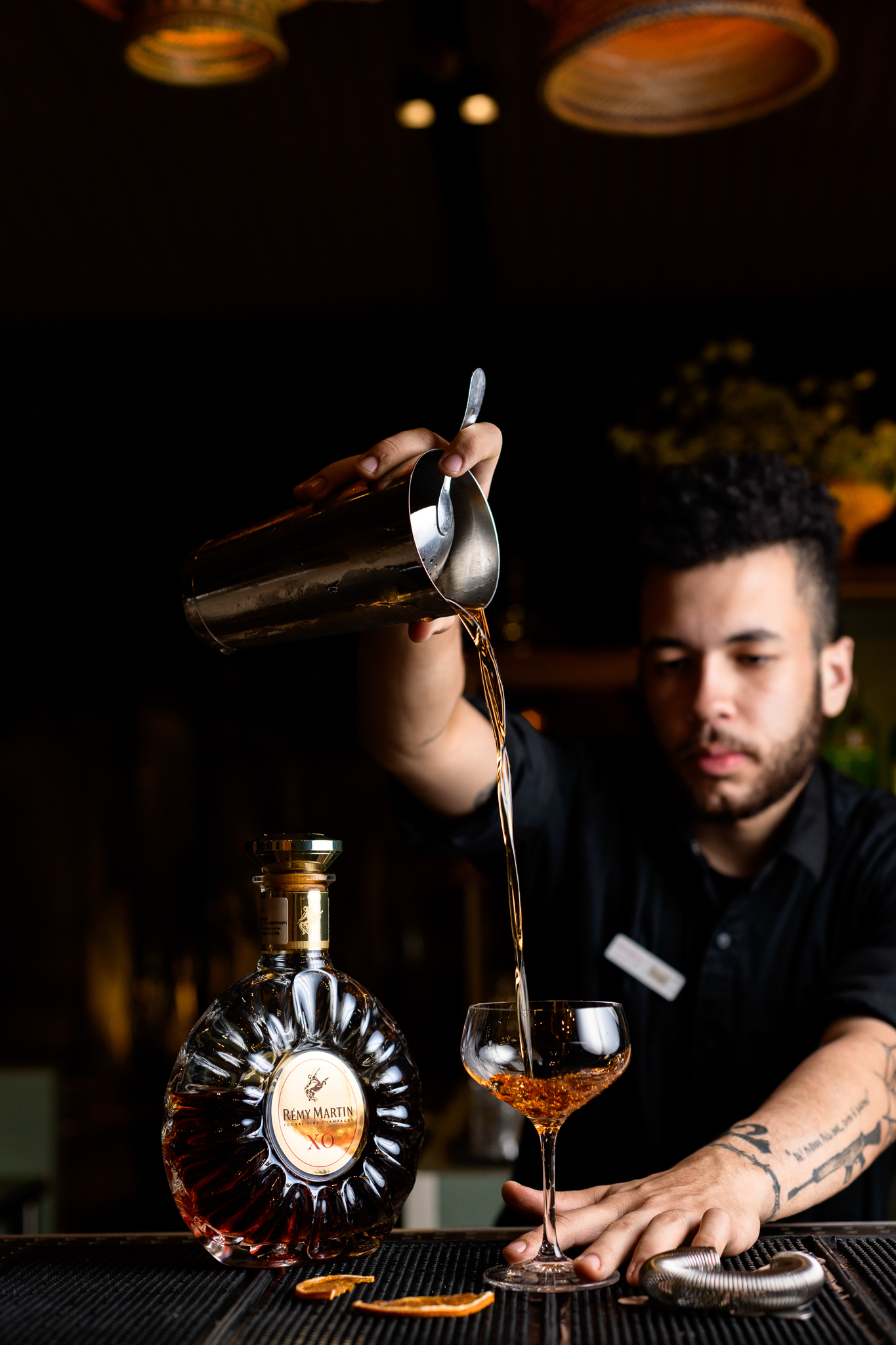
One light, a thousand possibilities. Whoever controls a single source controls the entire scene.
Architecture teaches geometry, line and patience
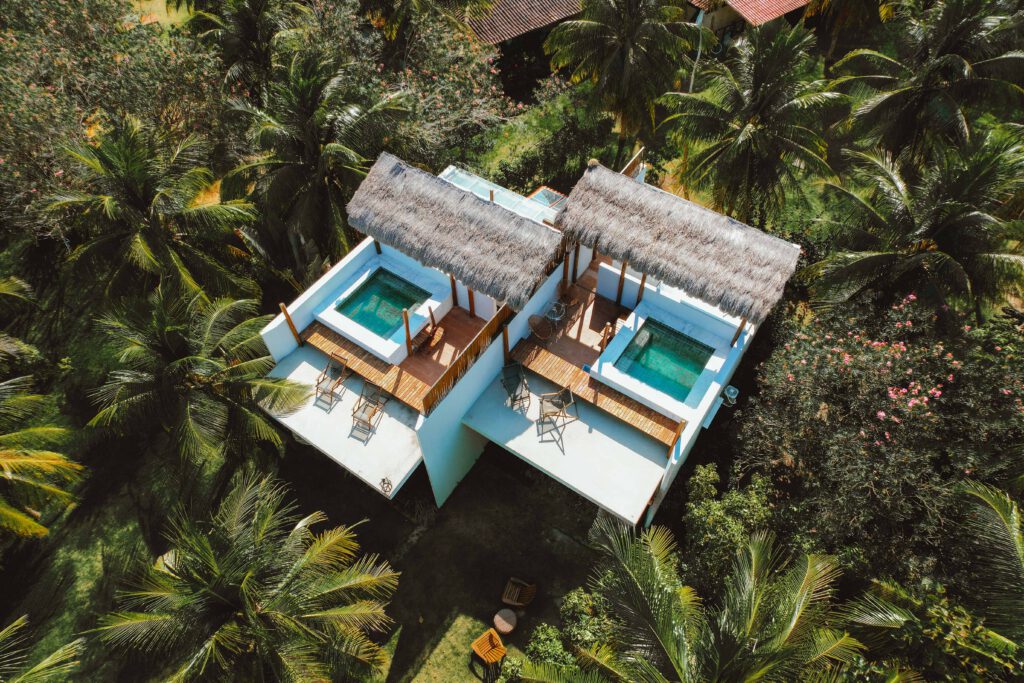
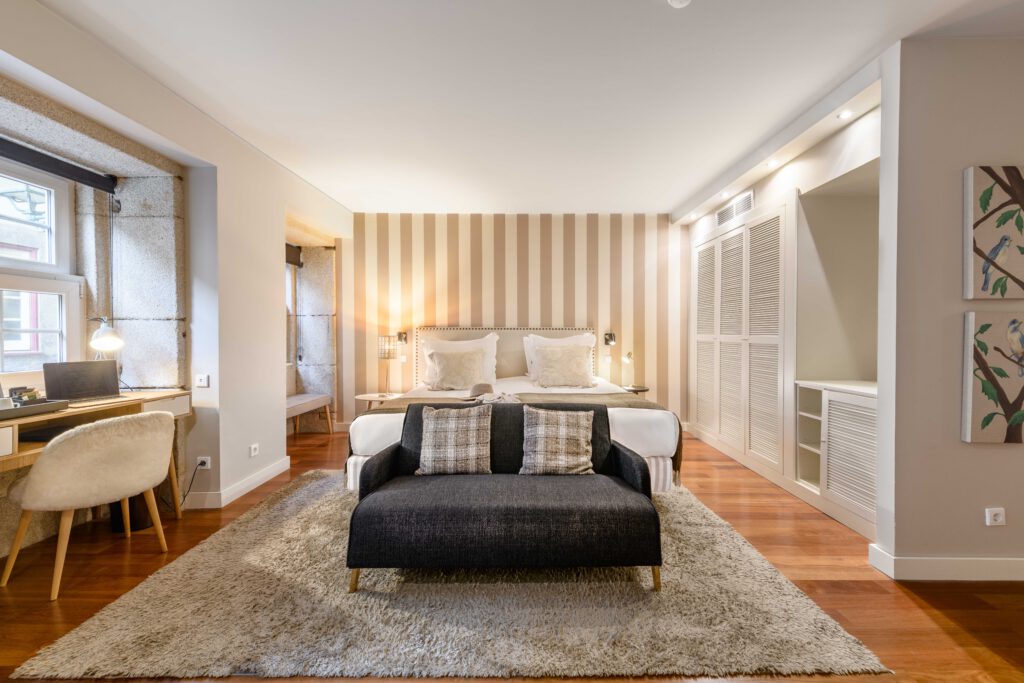
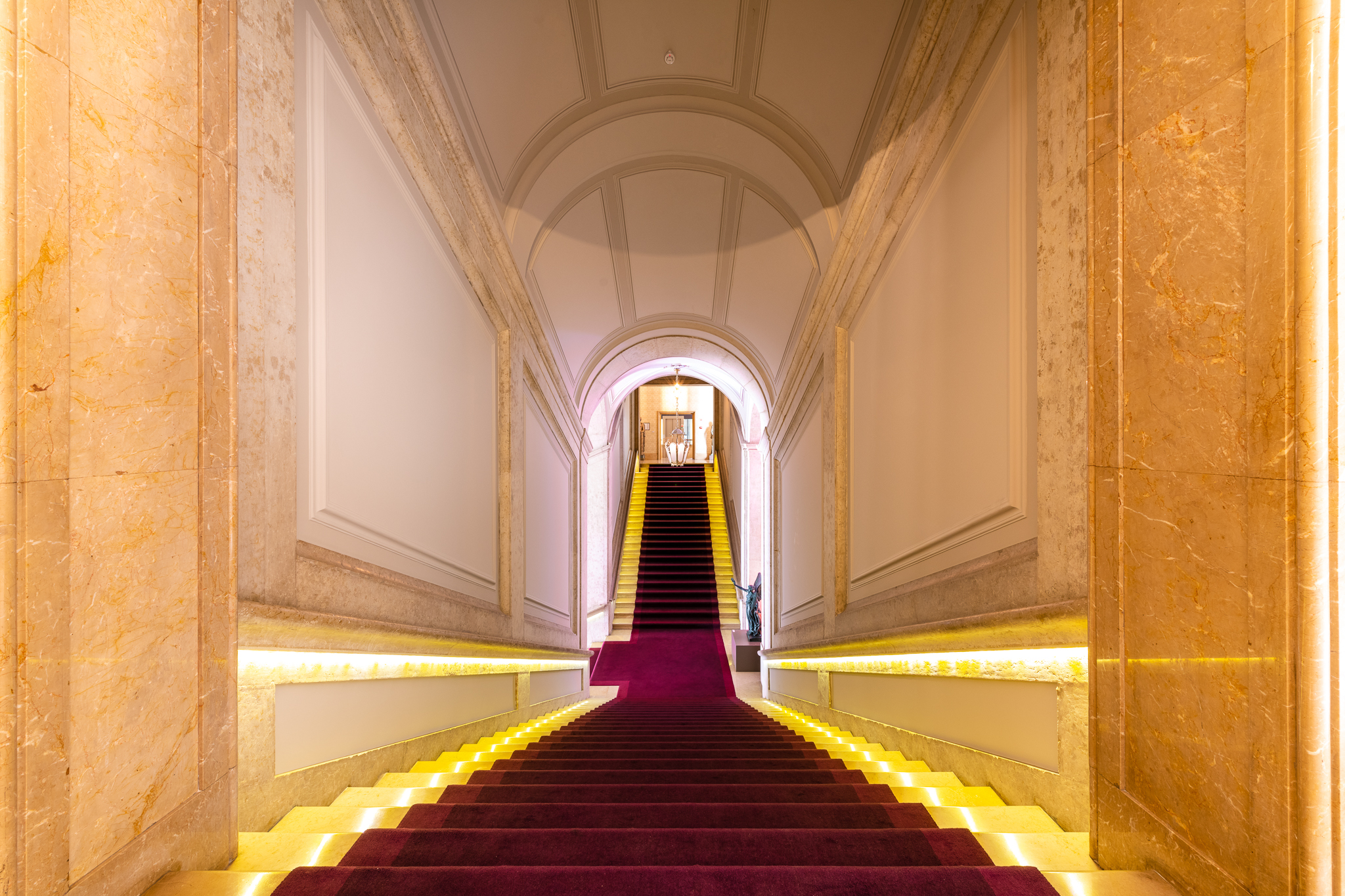
Hospitality is, above all, space. And photographing space is a school of discipline. Architecture forces you to respect the straight line, to correct perspective, to wait for the moment when natural light and interior light talk to each other without fighting. A corridor, a staircase, a monastery cloister: each space has a geometry that must be read before it is photographed.
It was by photographing palaces, historic inns and monasteries in Portugal and Spain that I learned patience with space. Architecture is never in a hurry — and it taught me not to be either. For beginners: study framing, verticals, symmetry. Well‑photographed space is the backbone of any hotel shoot.
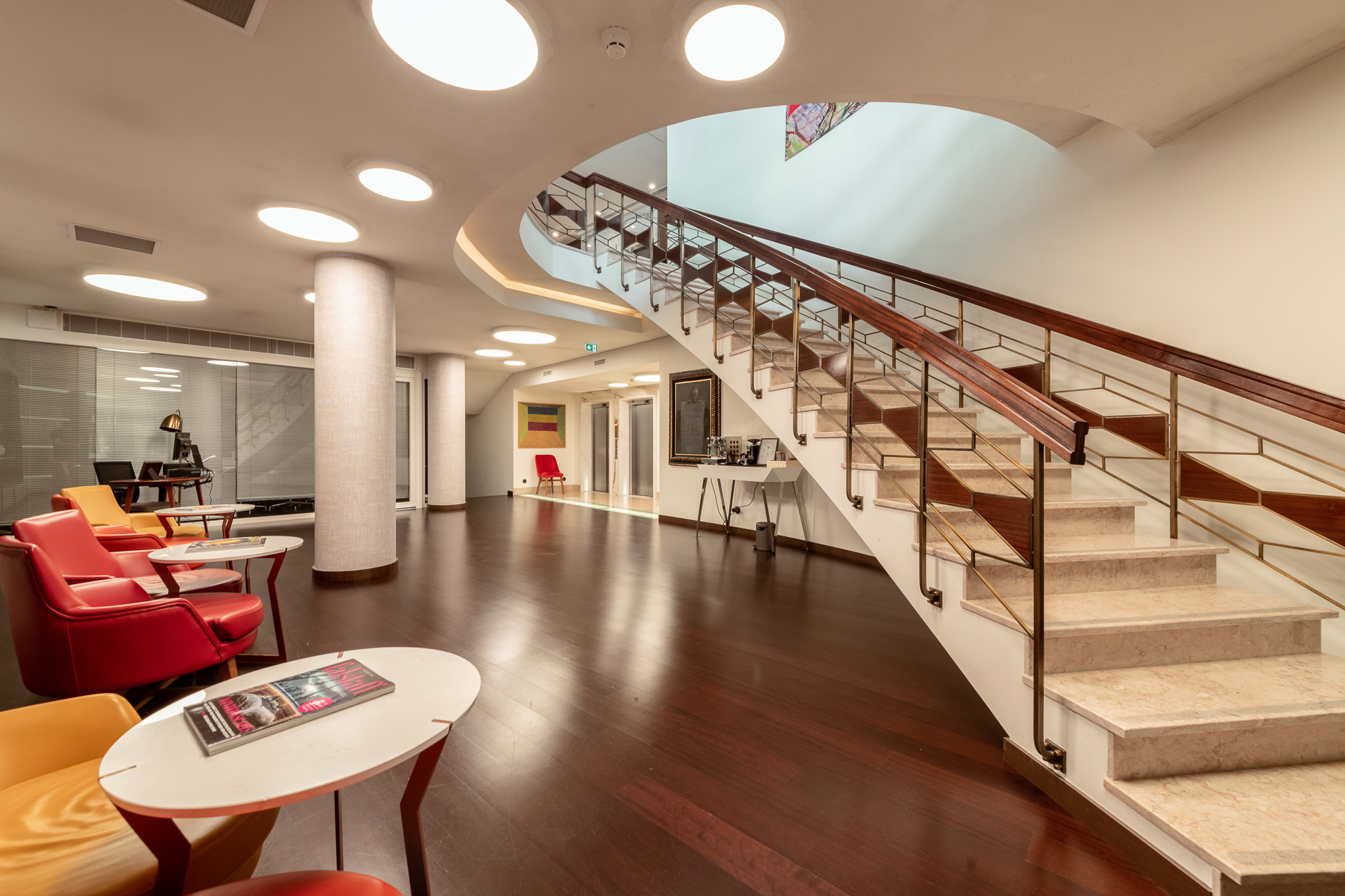
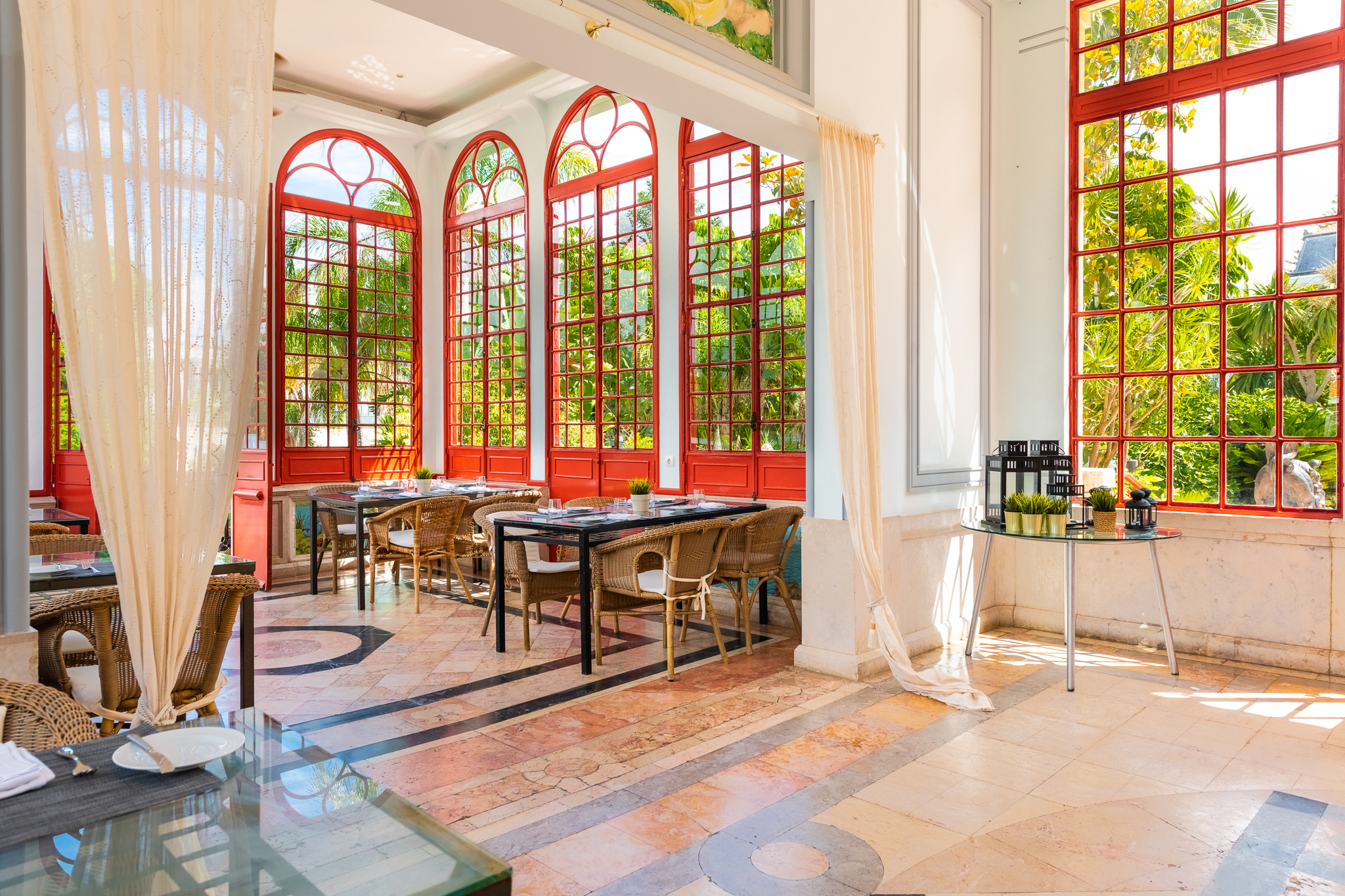
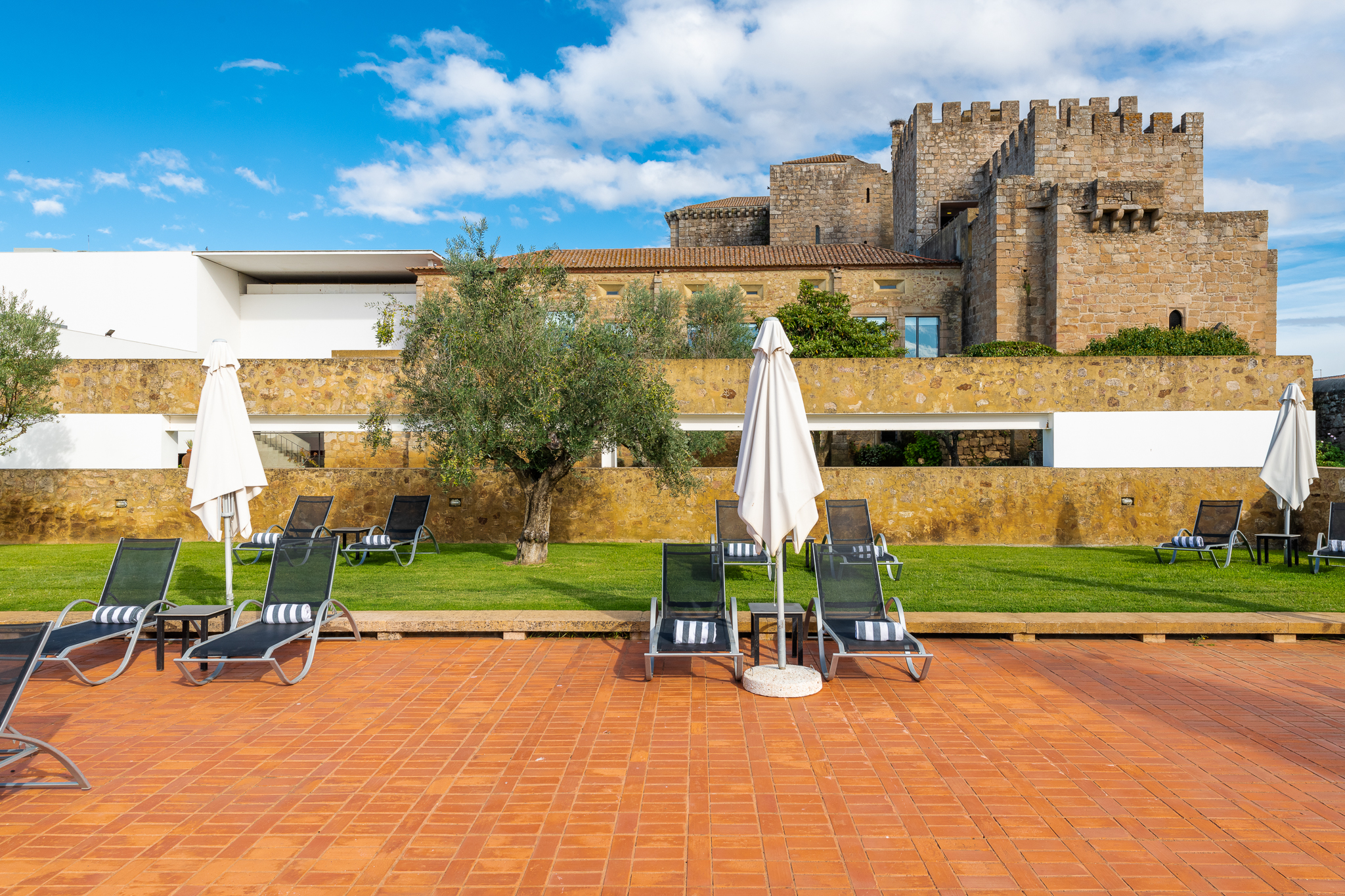
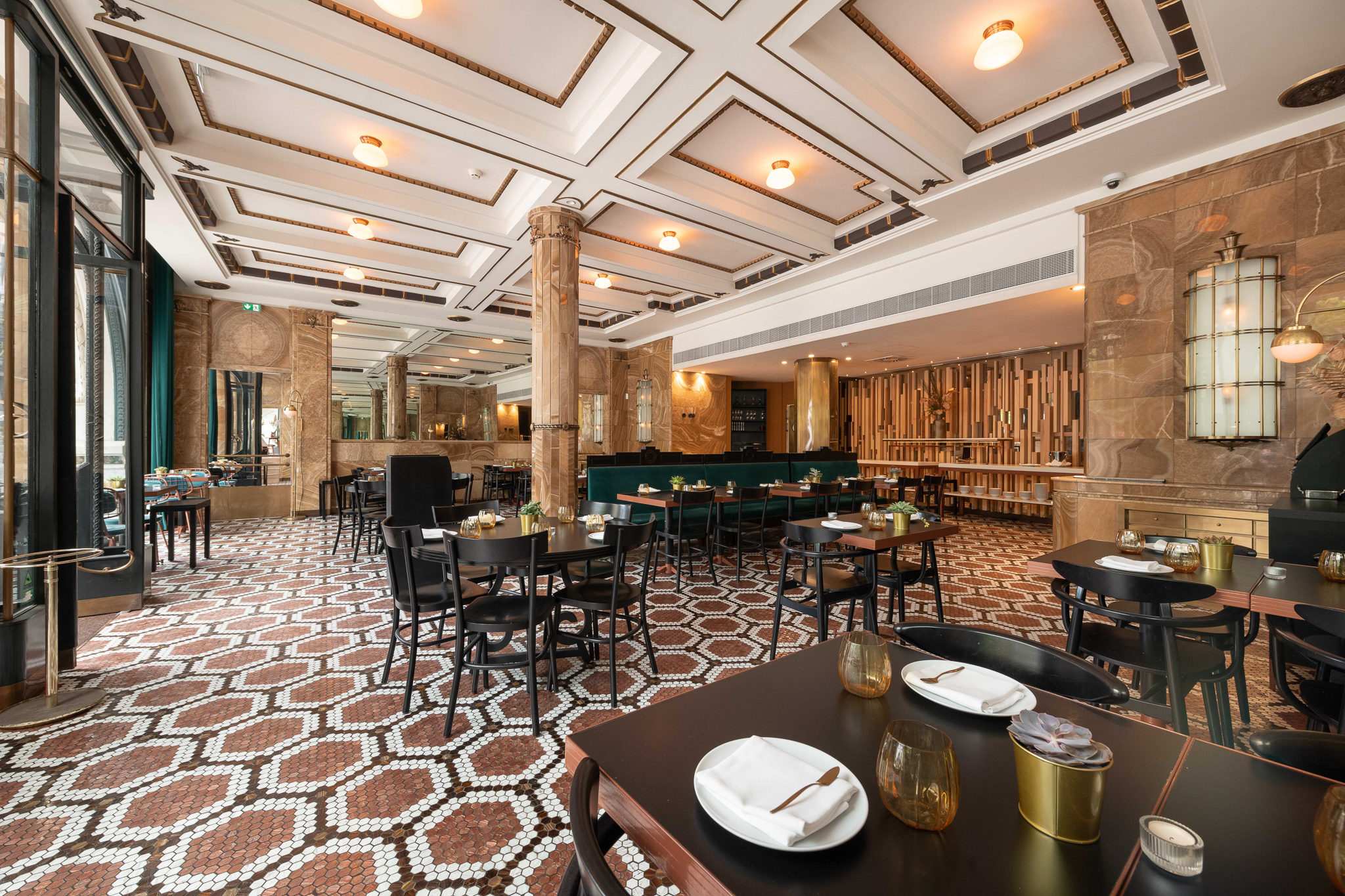
Architecture never forgives haste. It teaches the line, the symmetry, and the value of waiting for the right light.
Gastronomy teaches desire
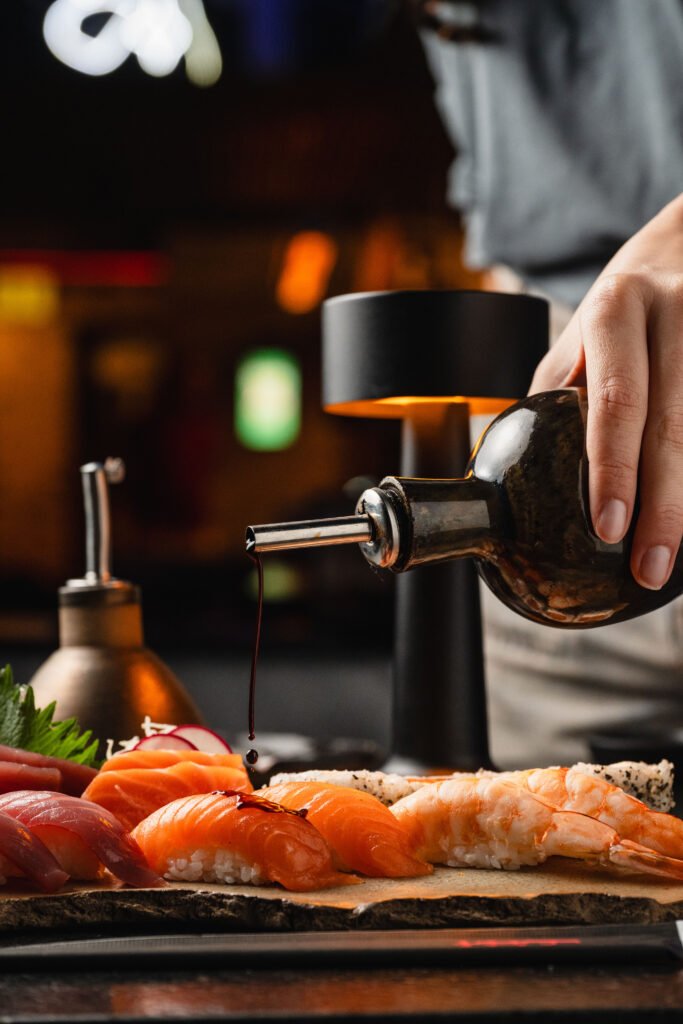
If architecture teaches discipline, gastronomy teaches something more dangerous and more delicious: desire. Photographing food means making someone feel hungry with their eyes. And that isn’t achieved with tricks — it’s achieved with raking light, with texture, with the exact timing of a drop that hasn’t yet fallen, the rising steam, the shine of a fresh sauce.
Food photography made me a faster and more precise professional, because food is relentless: it changes, melts, dries out, loses its point in seconds. Anyone who wants to enter hospitality has to love this challenge, because every great hotel also lives from its table. Learning to photograph a dish is learning to sell an entire experience in a single image.
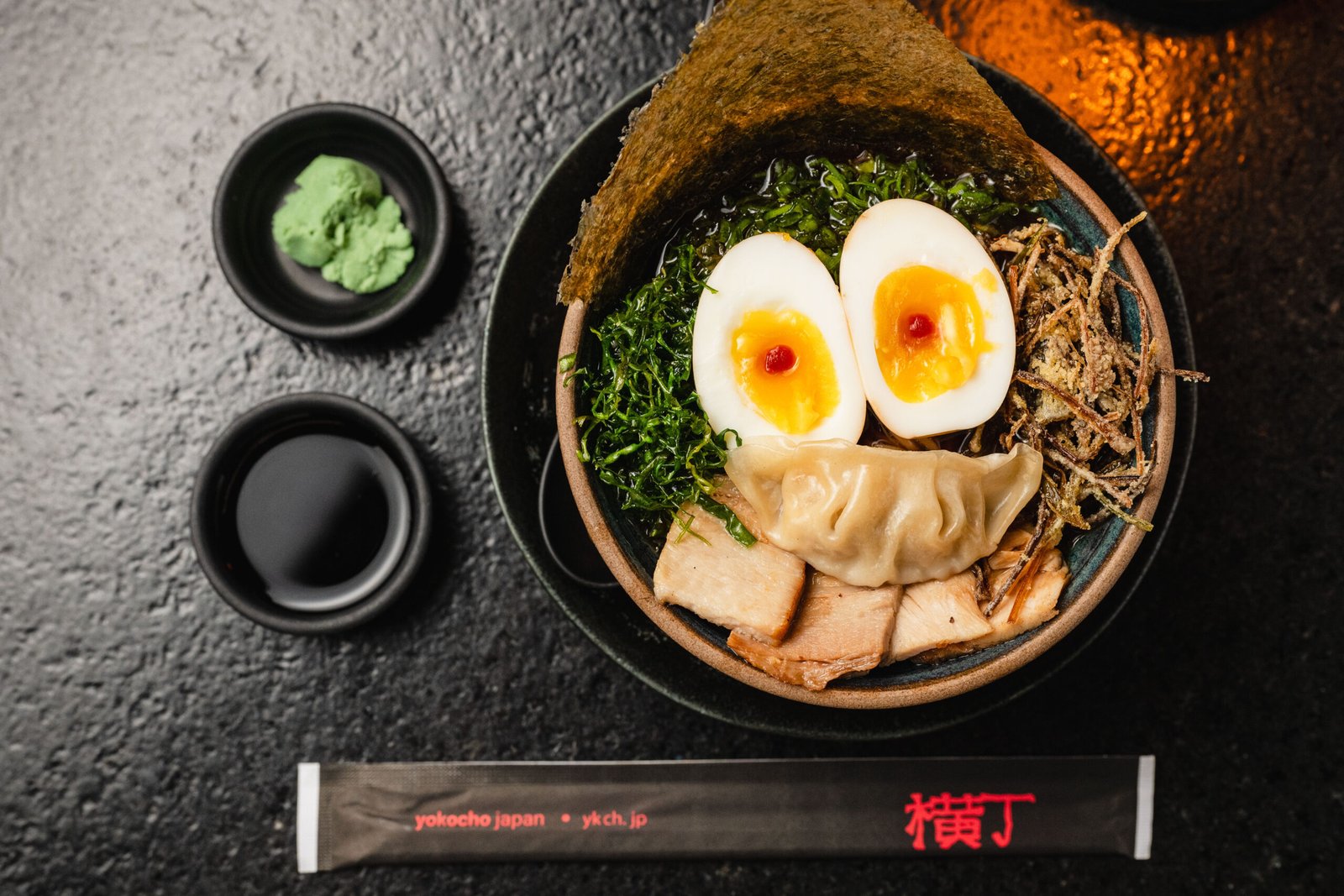


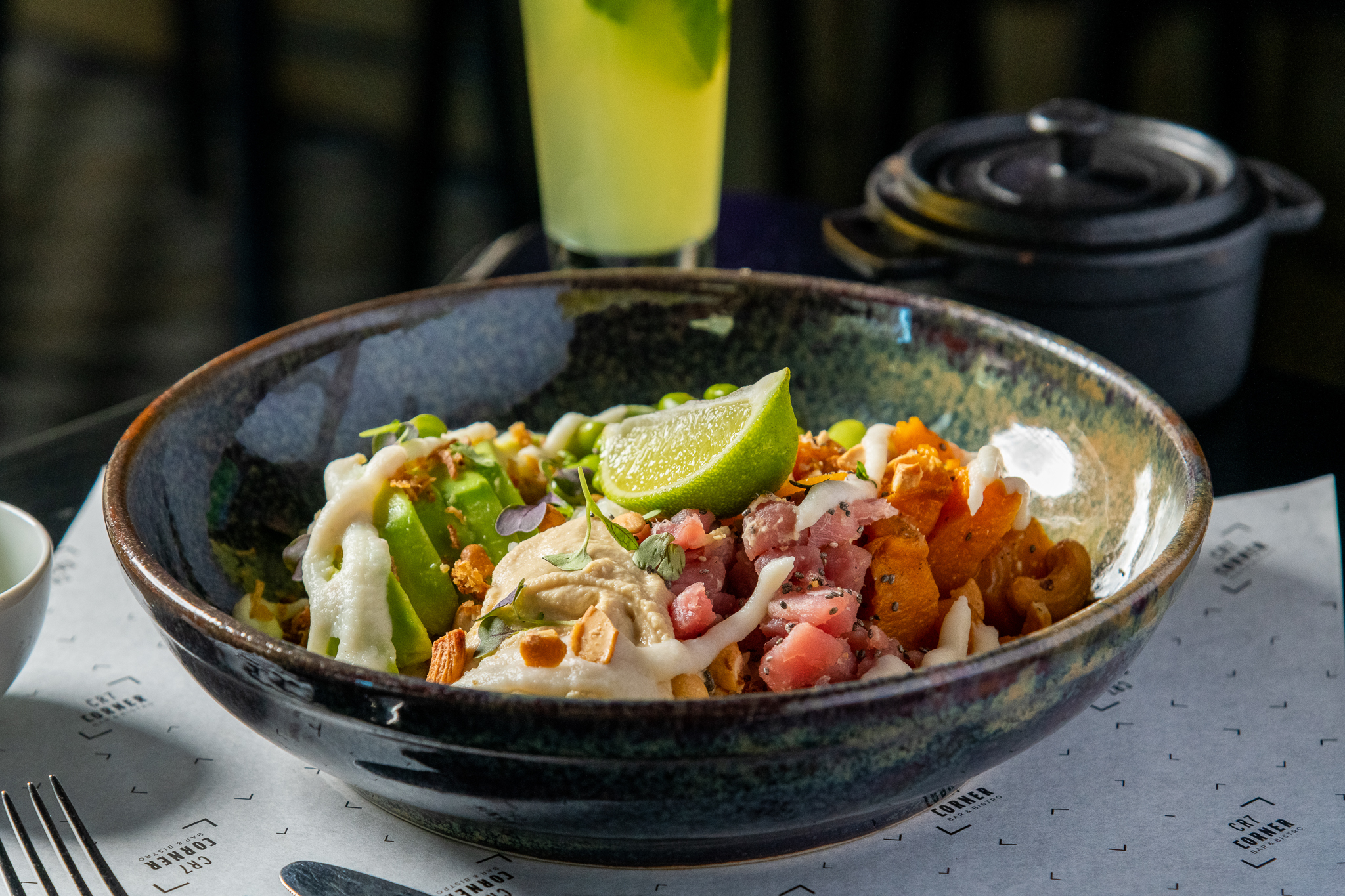

Photographing gastronomy is turning a dish into desire — and desire is the most honest way to tell an experience.
Fashion teaches the gesture — and lifestyle is grateful
Many people don’t realize how much fashion helps a hotel photographer. Fashion taught me to read the body, the gesture, the movement, the styling — to understand that a well‑directed model, a well‑placed gaze, a moment of rest carry more truth than any perfect, empty set.
That baggage is what makes lifestyle work. Lifestyle is people living the space: the model who brings the room to life, the guest who relaxes, the experience actually happening. When you unite the fashion eye with the hospitality eye, you stop photographing empty rooms and start photographing emotion. And emotion is what makes the client want to be there.
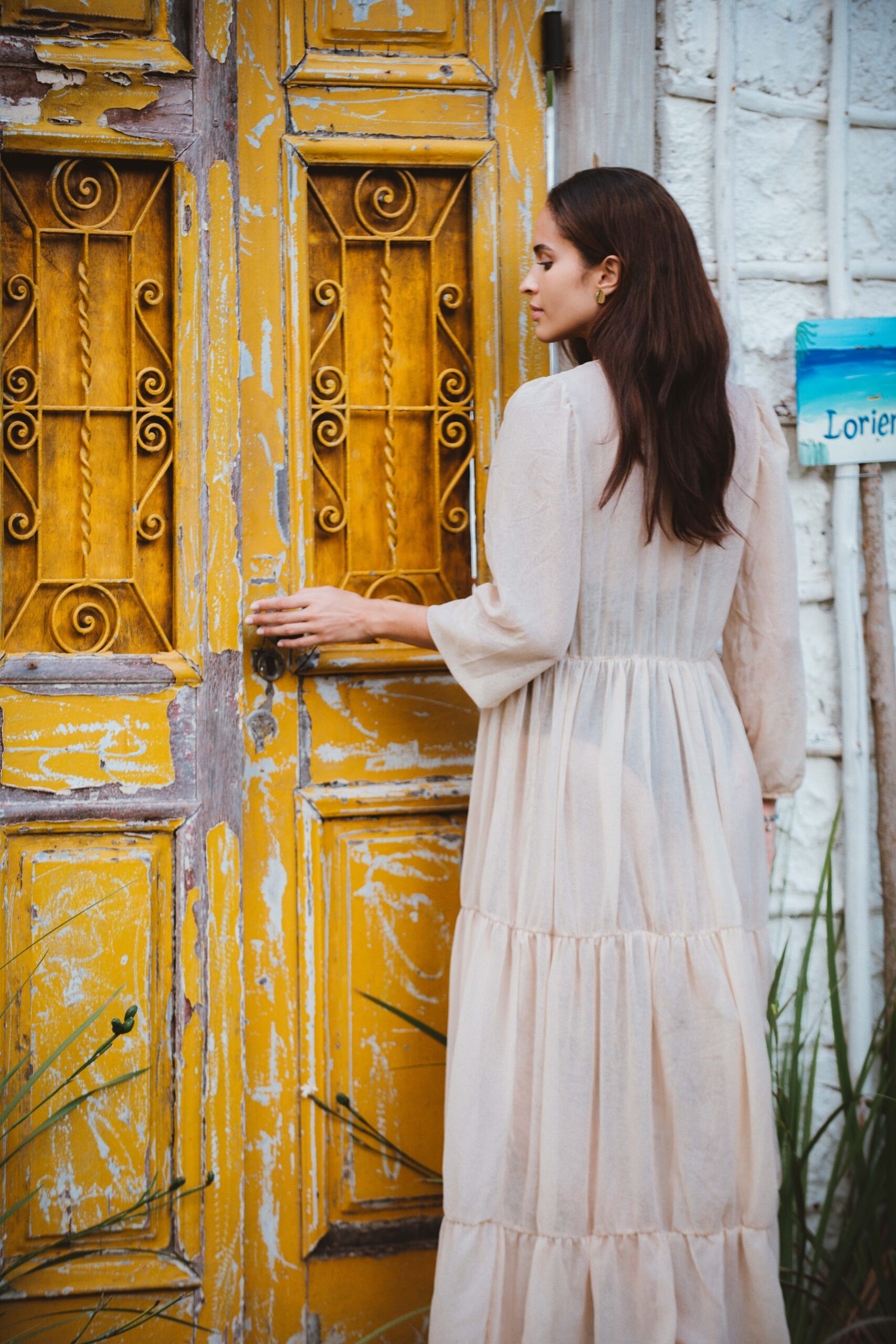
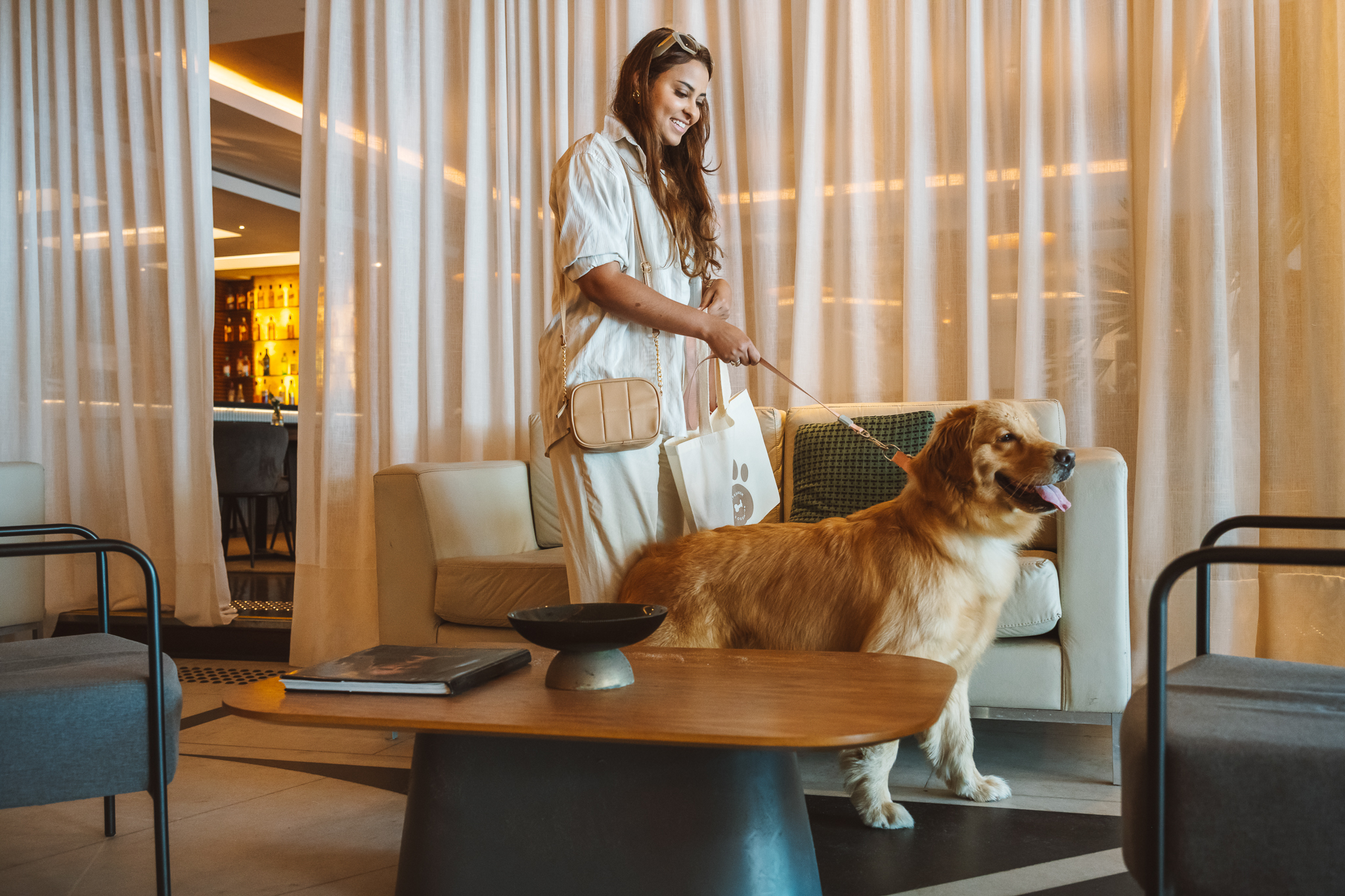
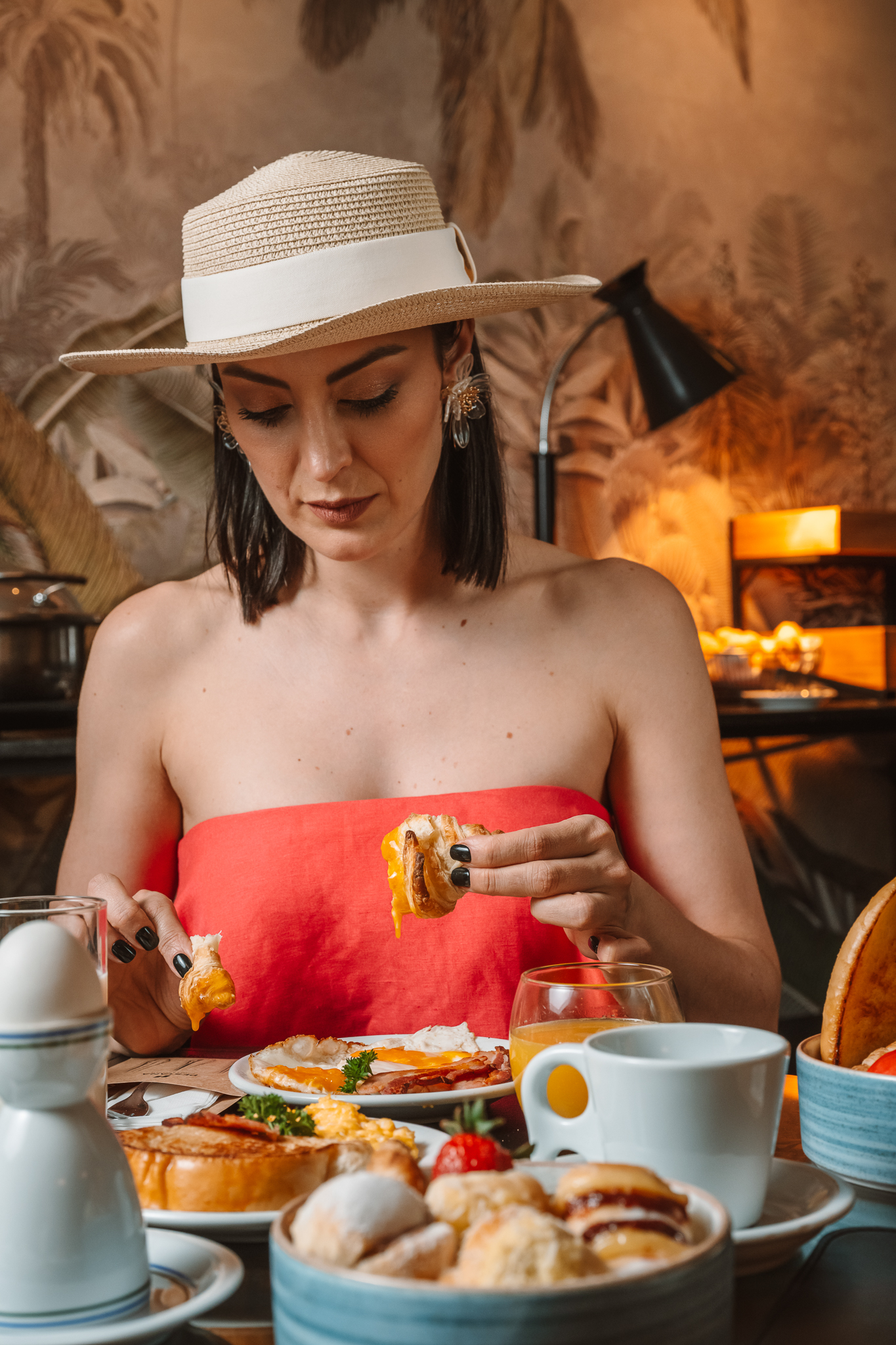
A set without a gesture is just decoration. It is the human presence that turns a space into a story.
Product teaches precision
Product photography seems like the coldest of specialties, but it is one of the most generous for beginners. It teaches absolute precision: the reflection on the glass of a bottle, the exact focus on the label, the millimetric balance of a composition. There is nowhere to hide — it’s either perfect, or it isn’t.
That product discipline seeps into everything I do afterwards. When you learn to care for every detail of a wine bottle, you start caring the same way for an amenity in the bathroom, a piece of tableware, a decorative detail in the room. The eye trained on product is the eye that lets nothing slip.
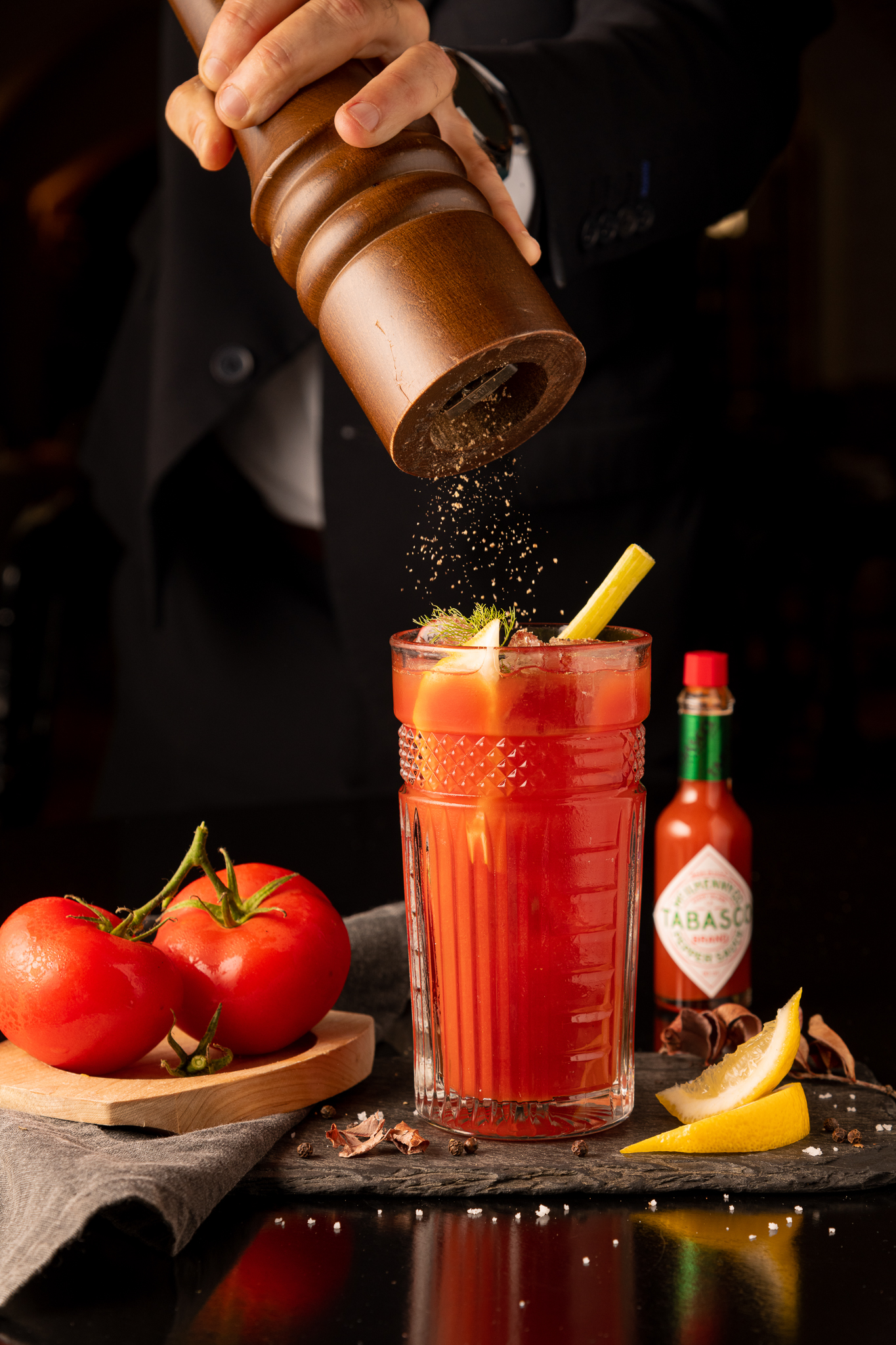
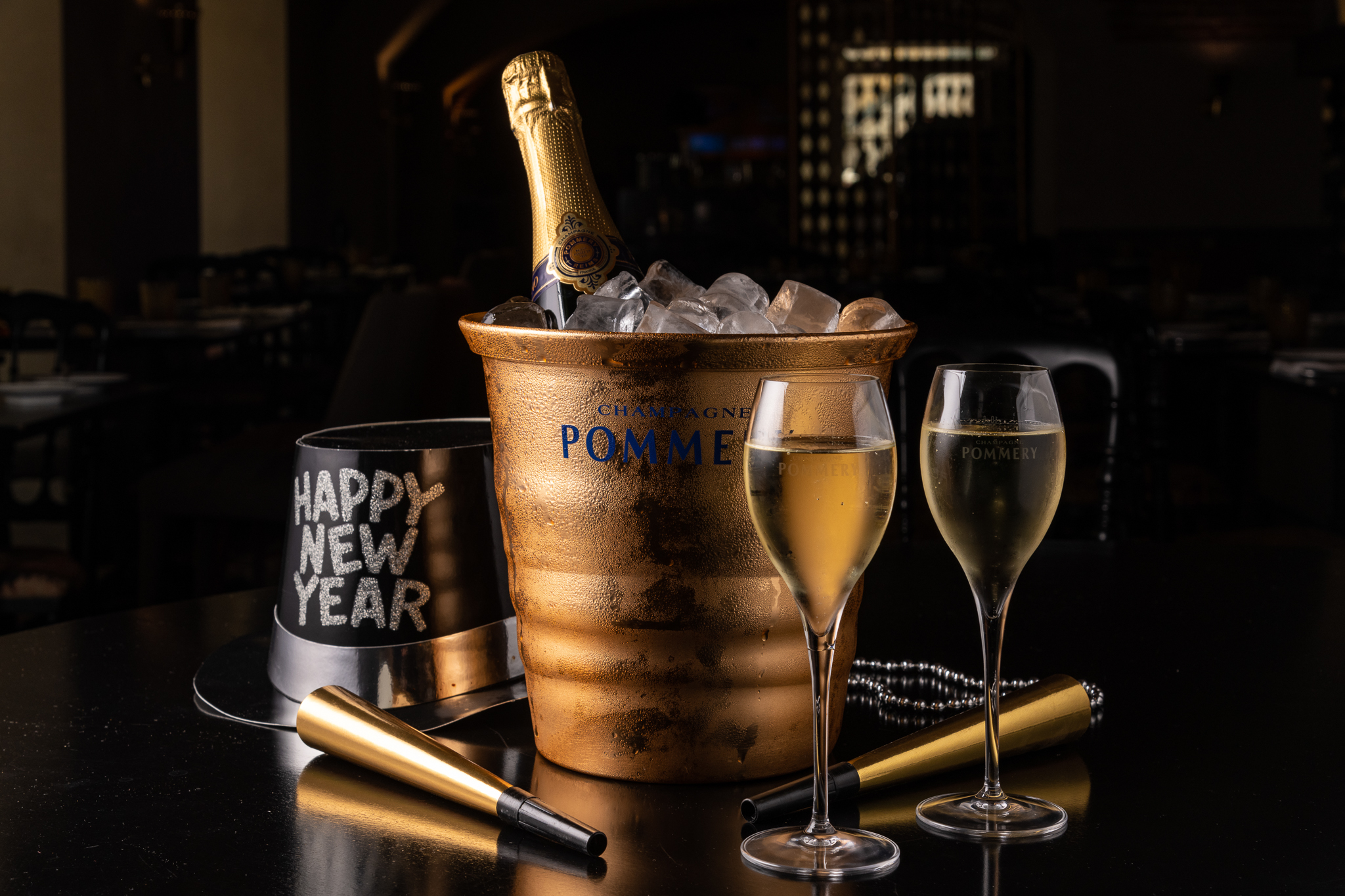

In product there is no ‘almost’. Either the detail is perfect, or the whole image collapses.
Landscape teaches you to wait for the right light
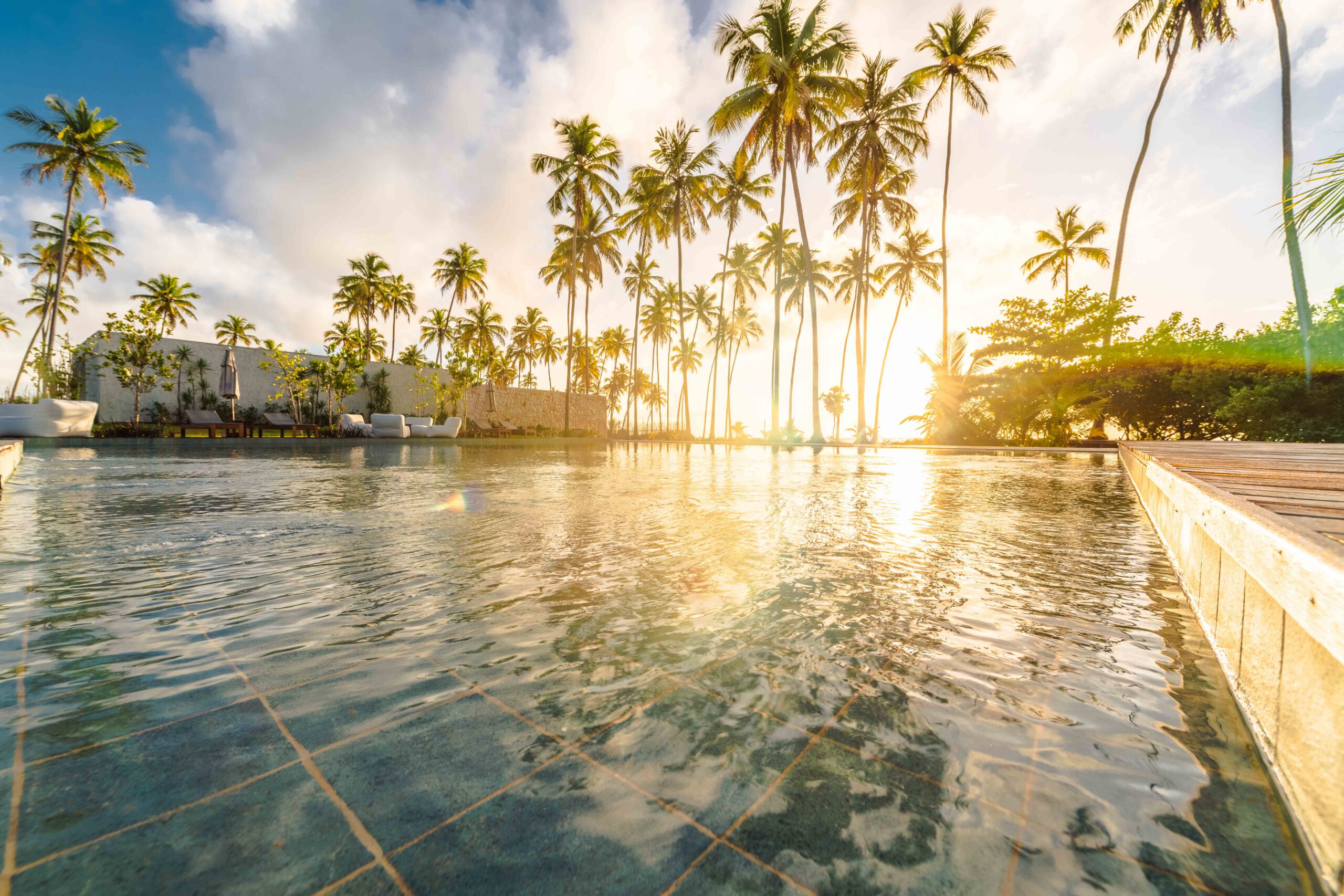
Landscape is the specialty that taught me the most humility. You don’t command natural light — you negotiate with it. You learn to wake before the sun, to wait for the golden hour, to understand that sometimes the best photo of the day happens in three minutes and then is gone forever.
At the coastal resorts, it was the landscape that forced me to plan, to study the sun’s position, to anticipate the weather. For beginners, this is a transformative exercise: landscape takes you out of the total control of the studio and teaches you to read nature. And reading nature is what makes the difference between a beautiful photo and an unforgettable one.
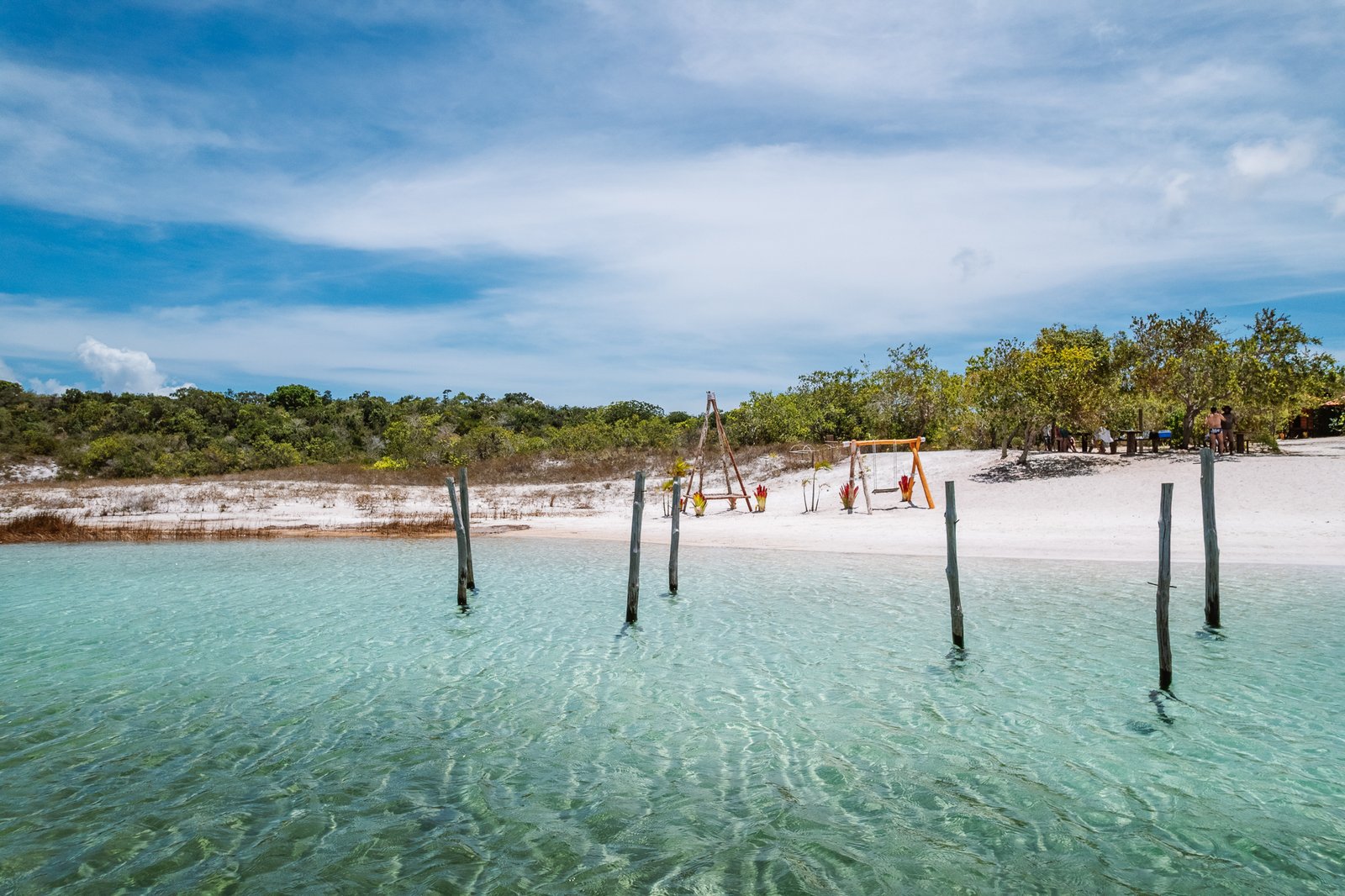
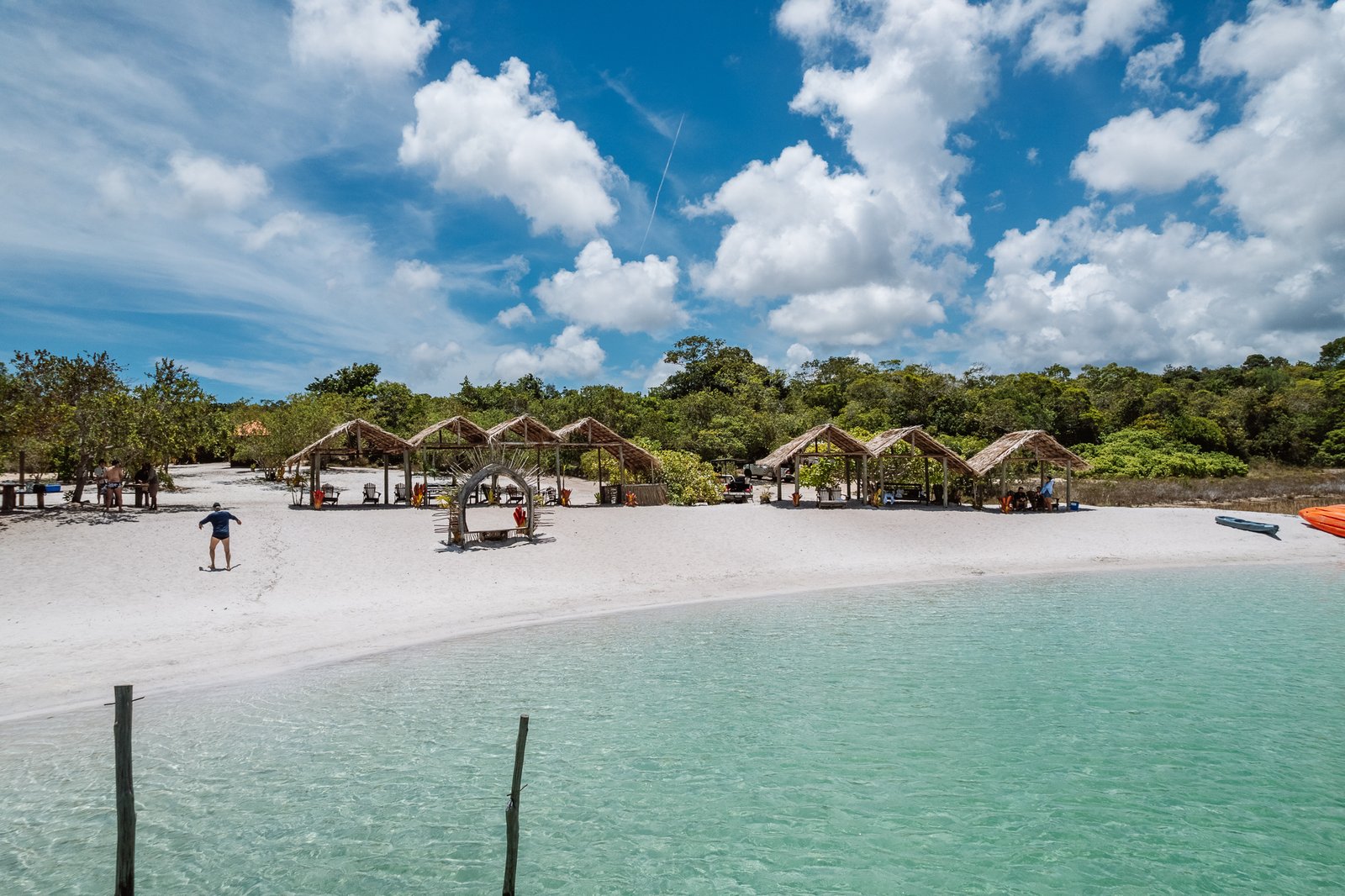

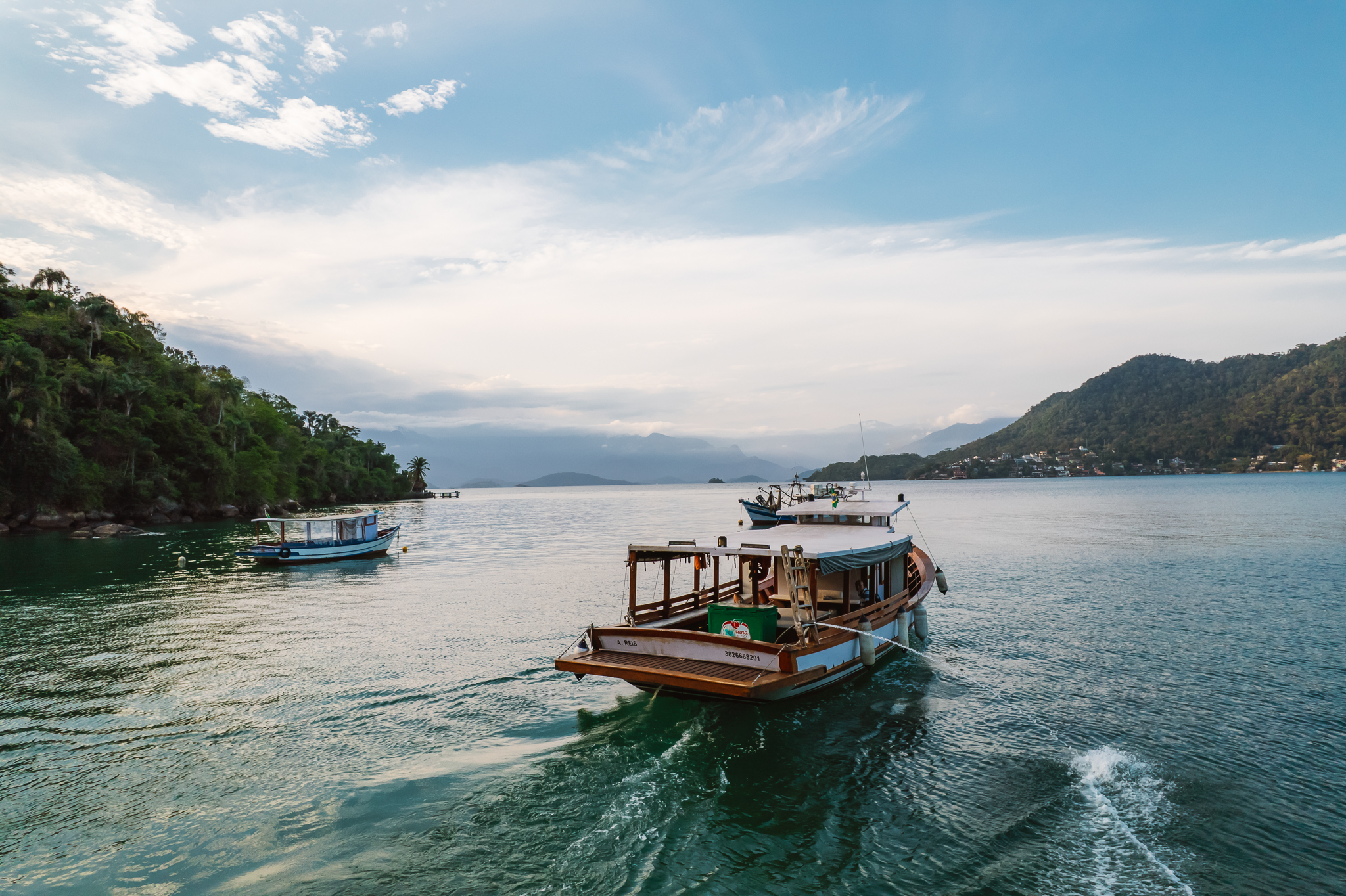
You don’t command natural light — you learn to wait for it. And it’s in that waiting that the best photo of the day lives.
The hotel: where all worlds meet
Here is the secret behind all of it. A single hospitality assignment demands, within the same week, every one of these expertises. You photograph the lobby architecture in the morning, the restaurant’s gastronomy at noon, the poolside lifestyle in the afternoon, the bar’s product at night and the landscape at the next sunrise. All with the same light signature, the same coherence, the same standard.
That is why hotel photography is, to me, the most complete of them all. It doesn’t ask you to be good at one thing — it asks you to bring fashion, gastronomy, architecture, product and landscape into a single eye. Anyone who wants to start needs to understand this: you’re not choosing one specialty, you’re choosing to add them all together.
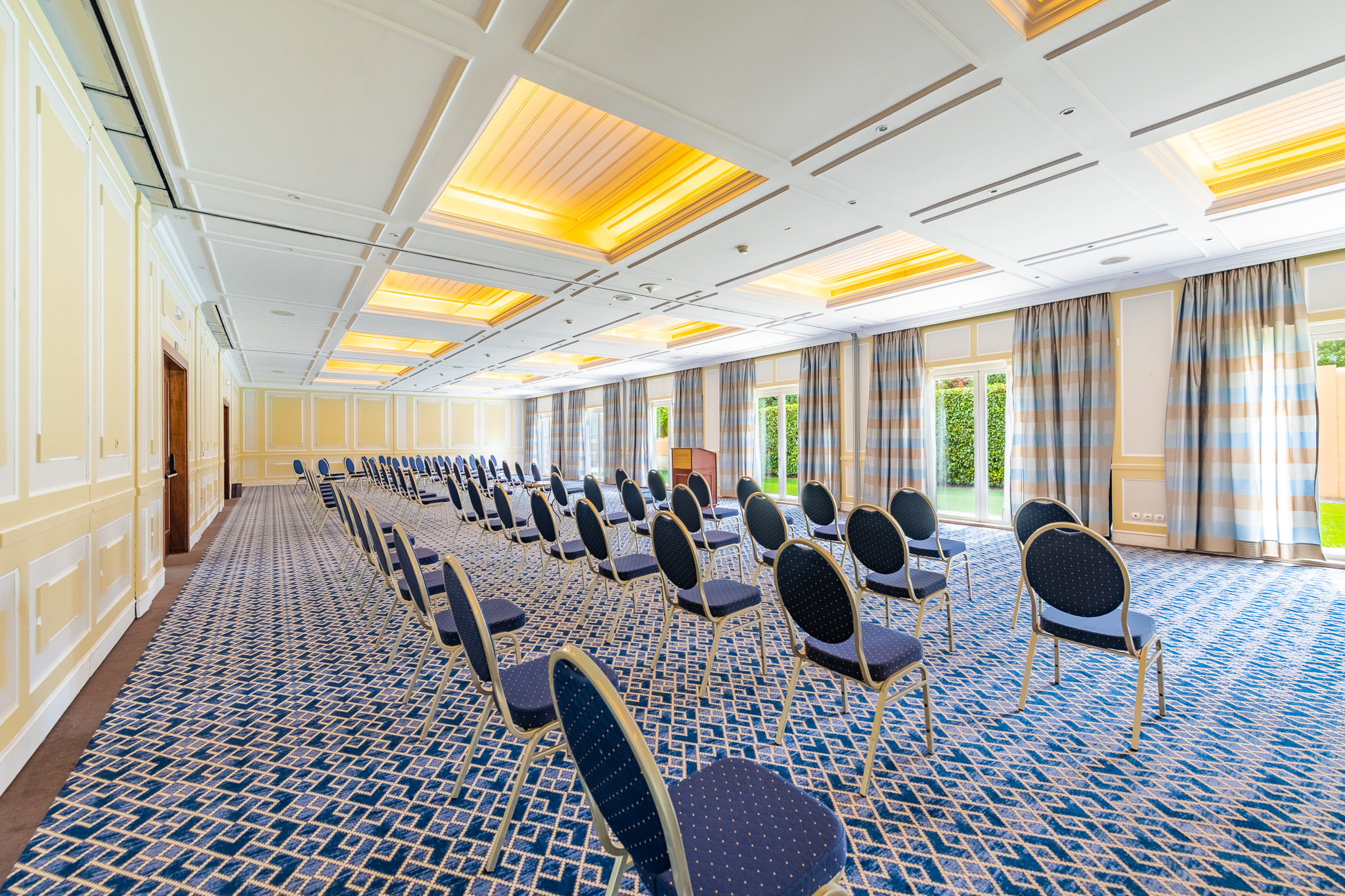
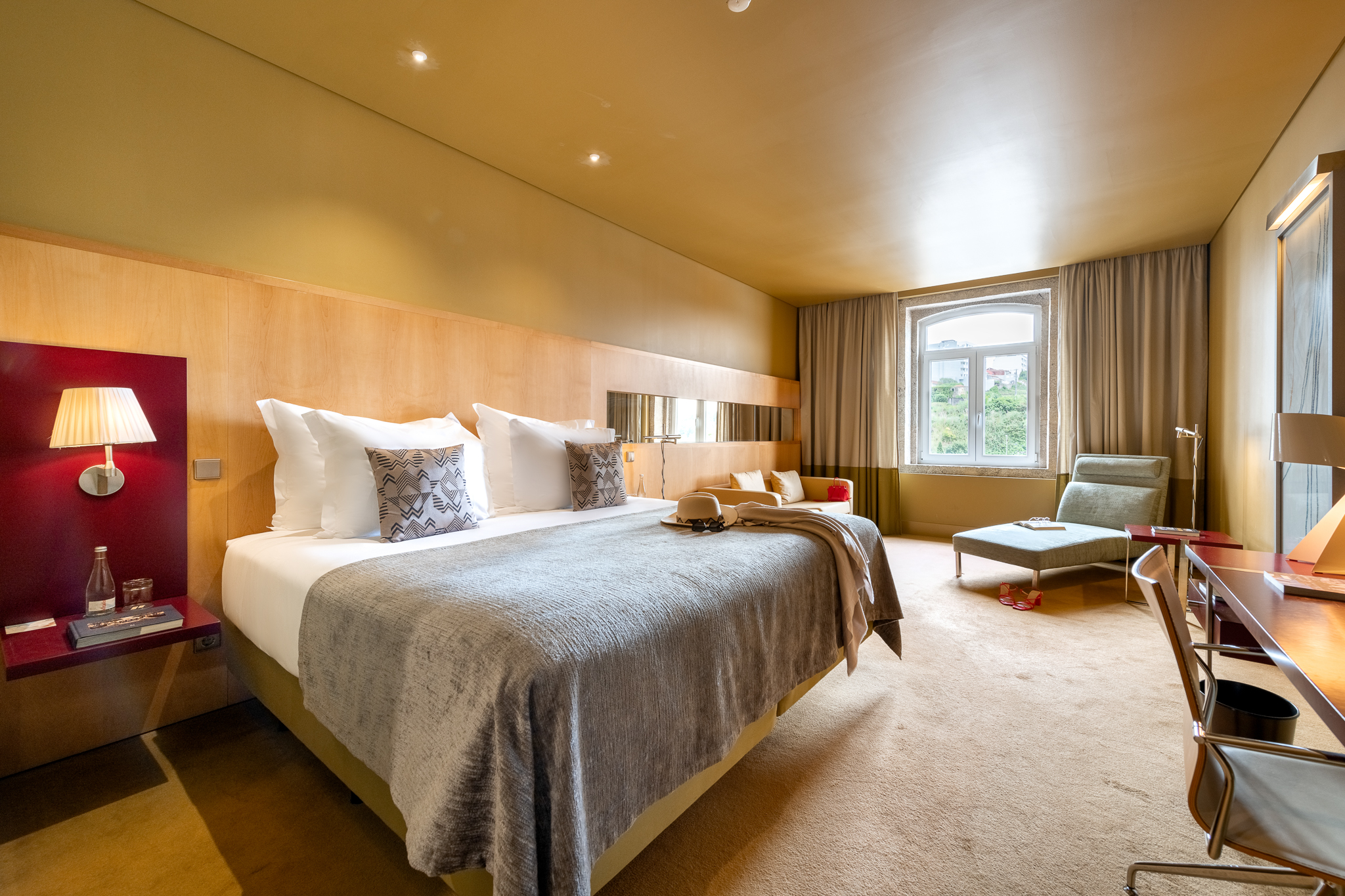
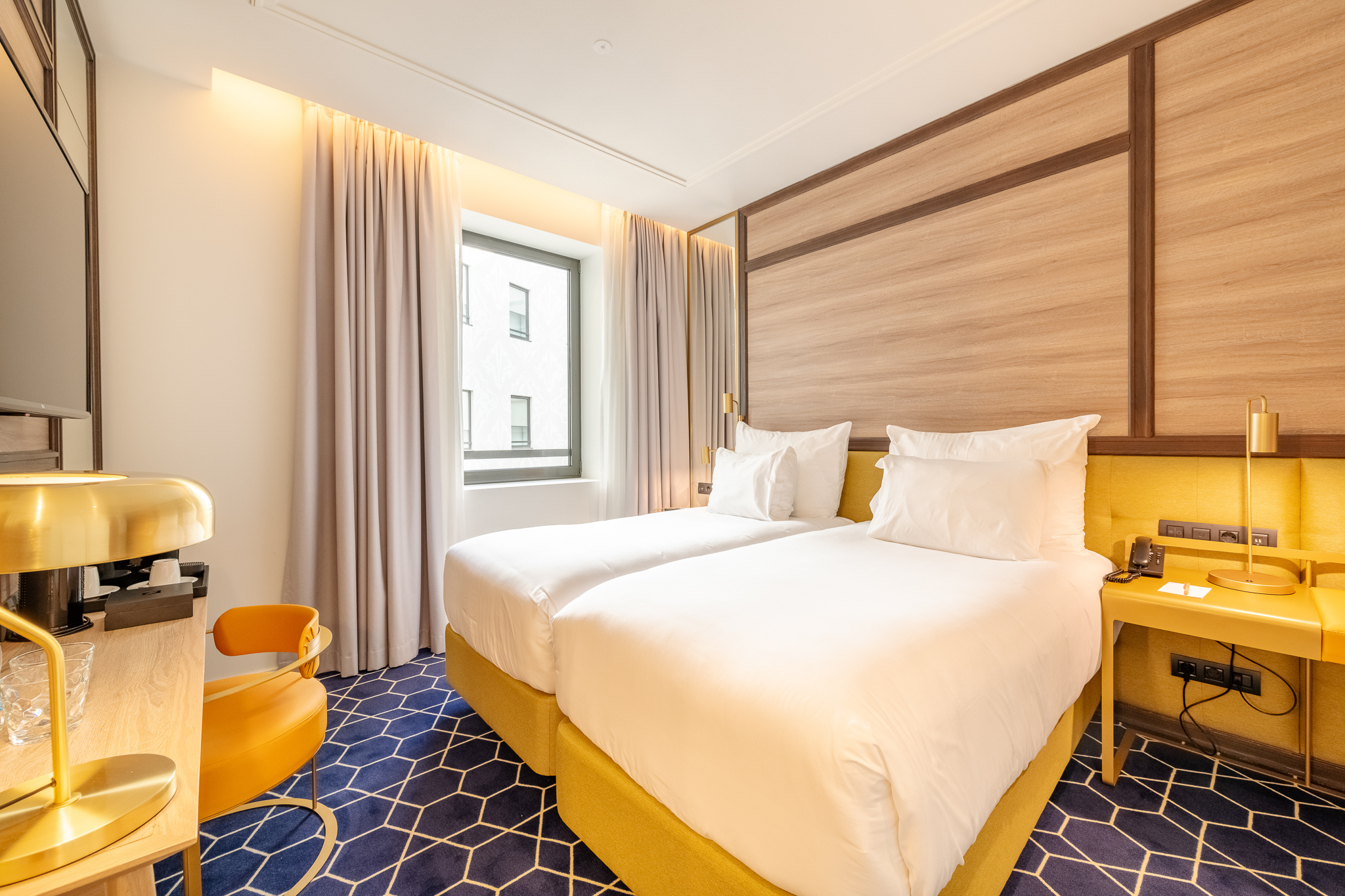
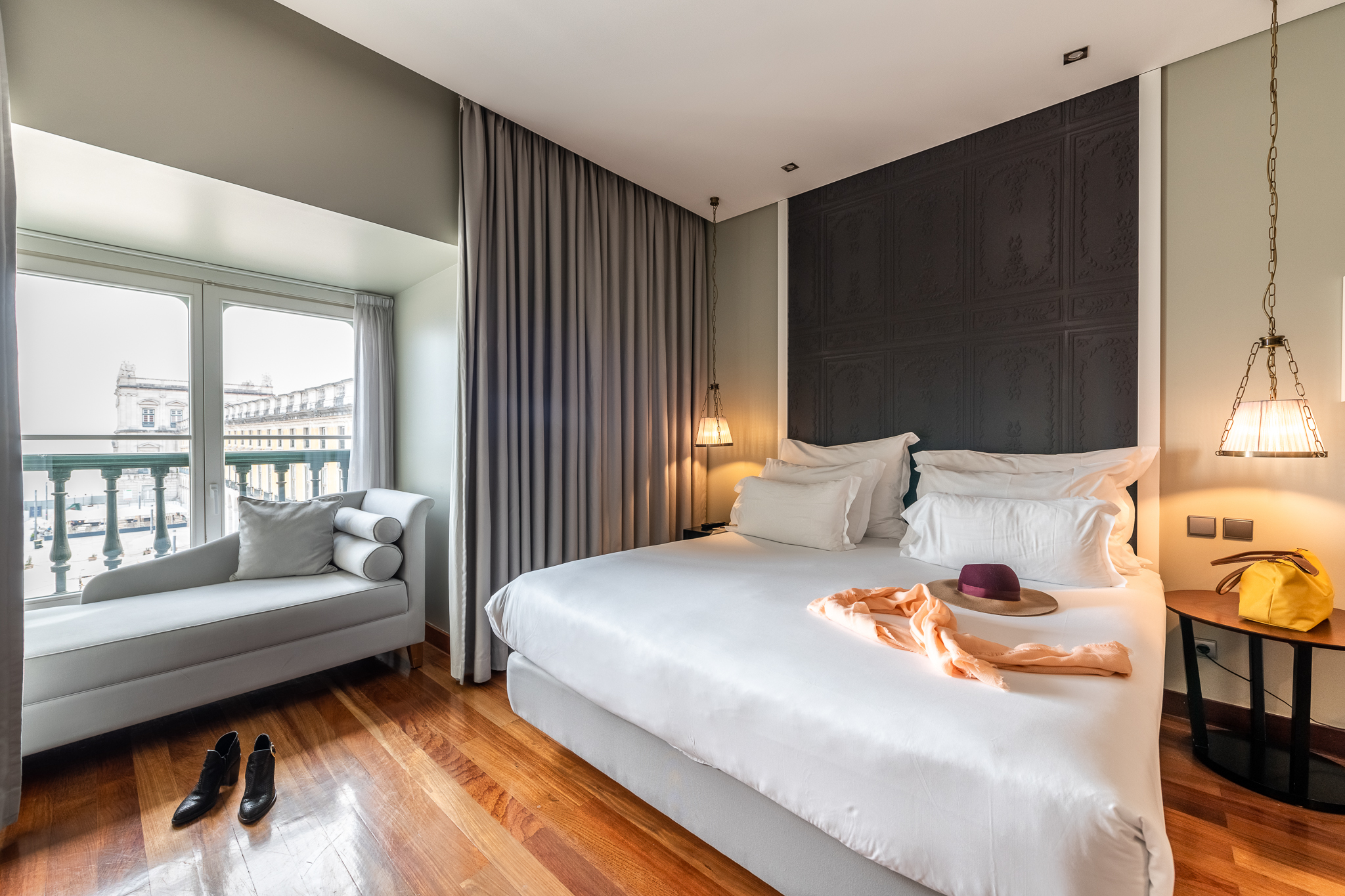
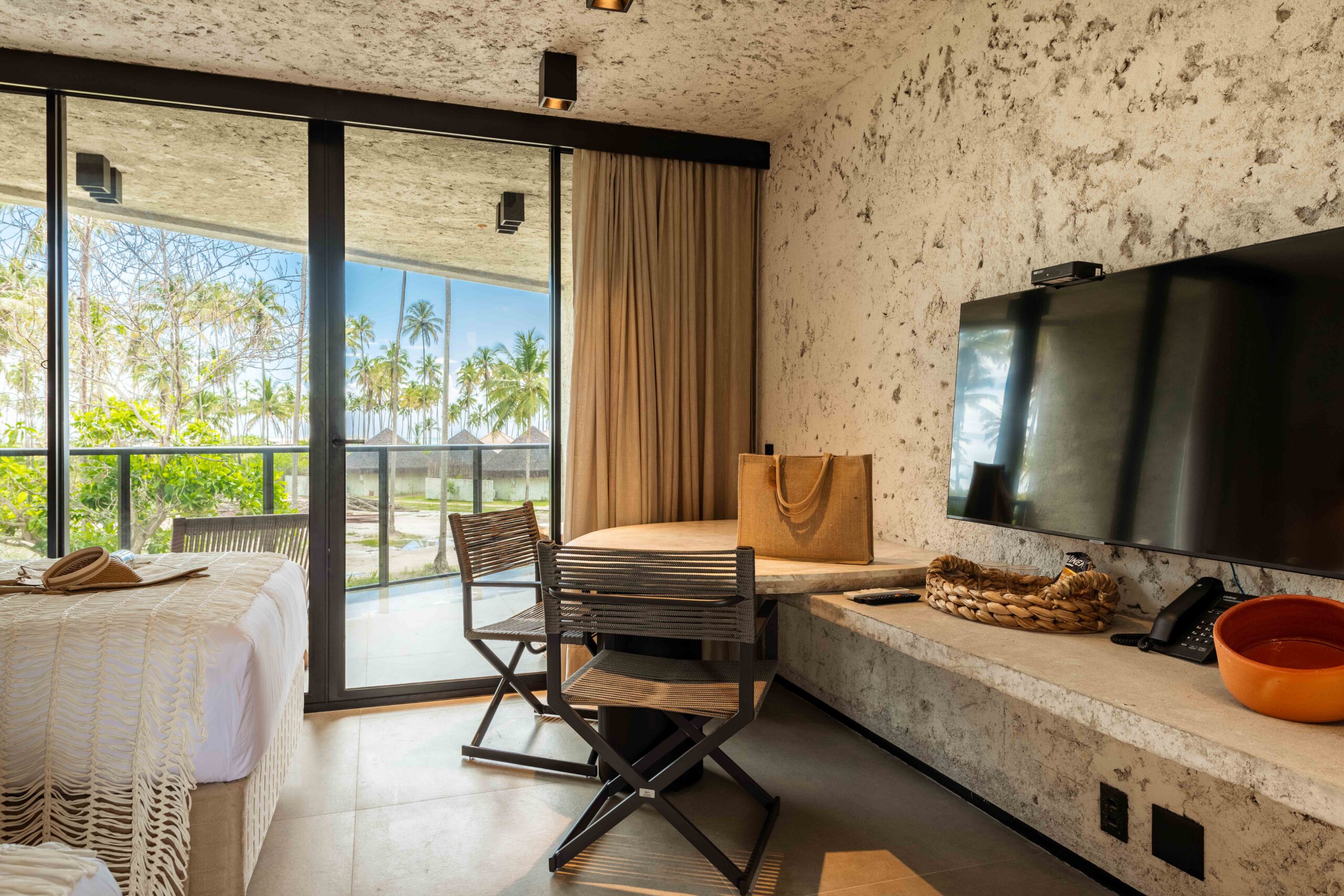
The hotel is the only place where architecture, gastronomy, fashion, product and landscape fit within the same week — and the same light.
From the roots to the world: from the backlands to 14 countries
It has been more than 50 hotels, 14 countries, 4 continents. From a terrace overlooking Madrid’s Gran Vía to a rooftop above the canals of Amsterdam, the world became my studio. But I never let go of where I come from — it is exactly that origin that travels with me, into every country, every new light I find. The root is what gives truth to the eye.
This may be the last great tip for anyone starting out: don’t outsource your identity. Technique you learn, equipment you buy, countries you conquer over time. But your eye — where you come from, what moves you, the light you learned to love as a child — that is yours alone. And that is what the world will recognize in your work.
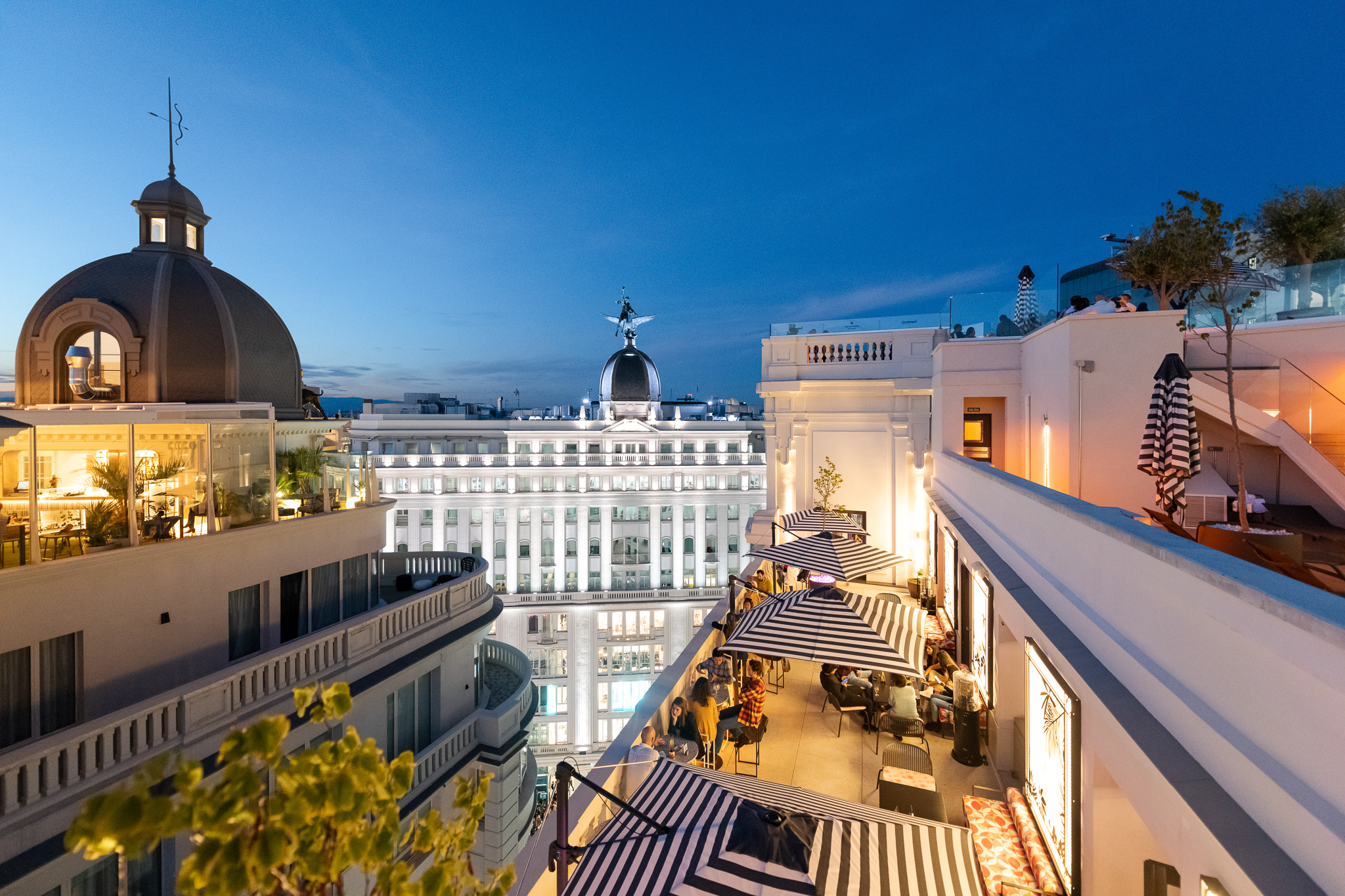
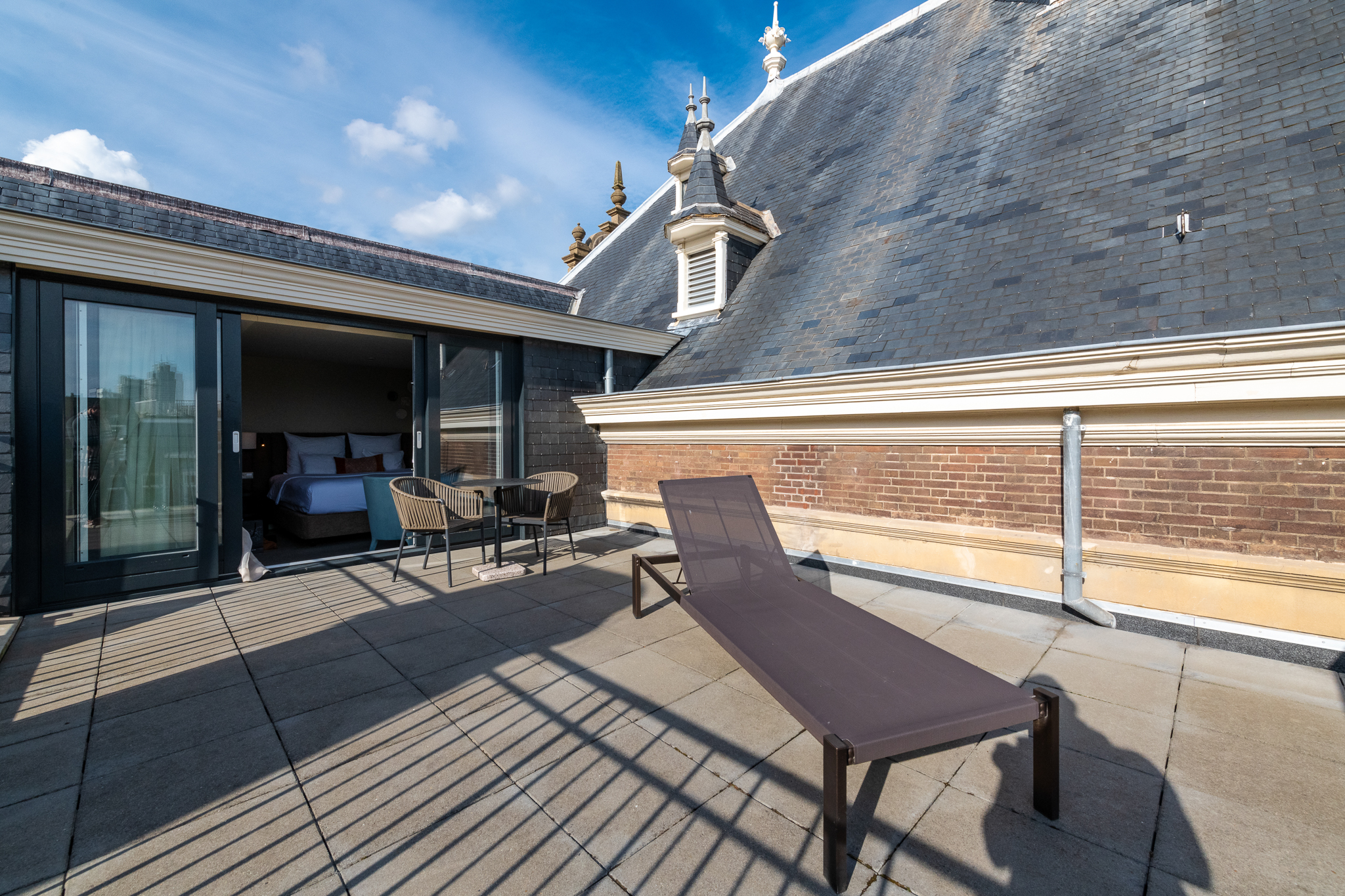
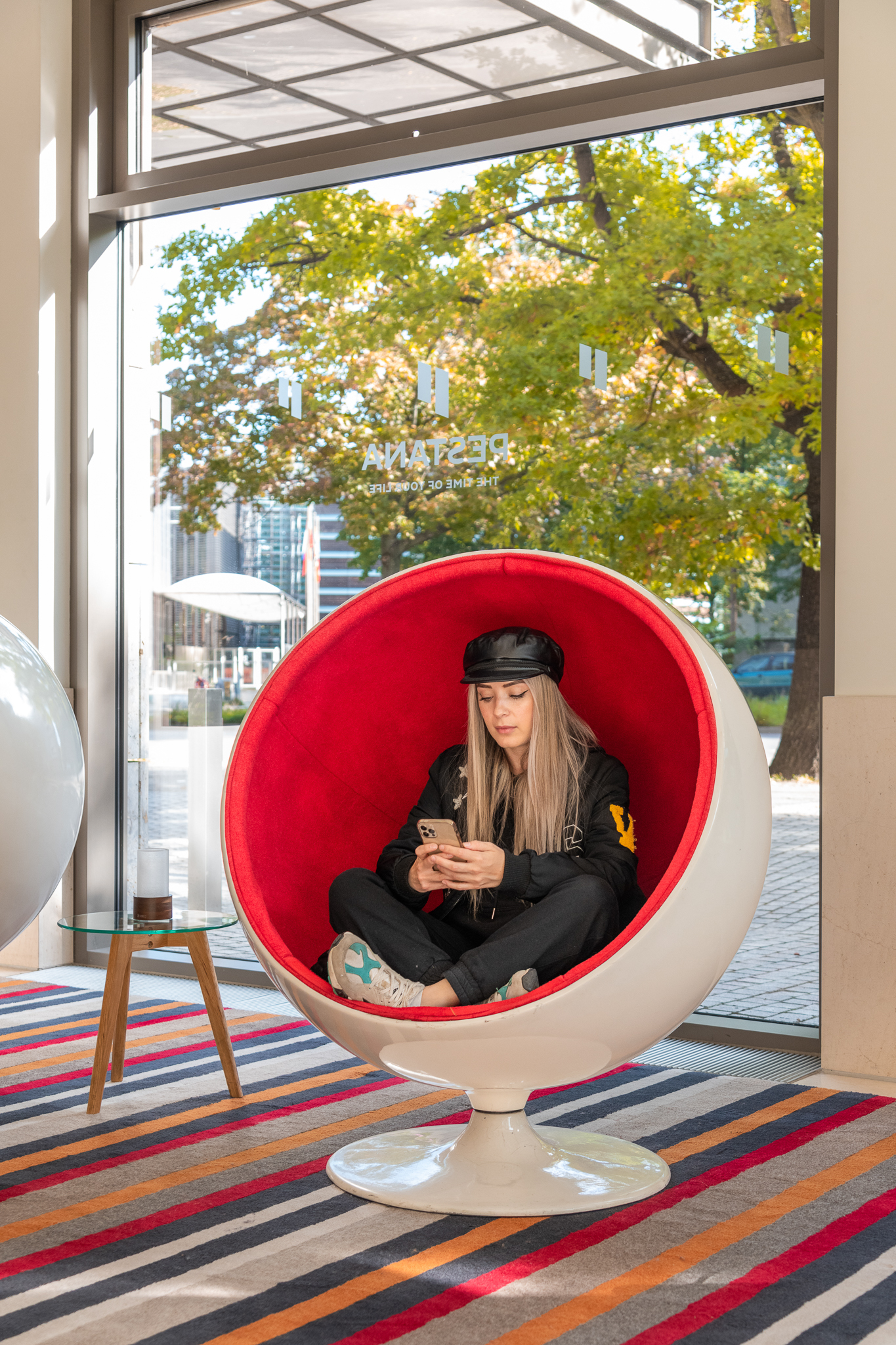
Technique is learned, equipment is bought. The eye is not: it is born from your roots — and it is what the world recognizes.
So, where do you begin?
Begin with the eye. Learn to see the light before buying your next lens. Master a single source before dreaming of an entire studio. Study architecture for discipline, gastronomy to understand desire, fashion to read the gesture, product to love the detail, and landscape to learn patience. And, above all, don’t abandon your roots — because that is where the only thing no one can copy from you comes from.
Hotel photography is not a destination, it’s a crossing. And if you’ve made it this far reading, maybe it has already begun inside you. The first step is simple: choose a light, a scene, a detail — and start telling your story.